

Chhedagad, Jajarkot | 20 March 2026
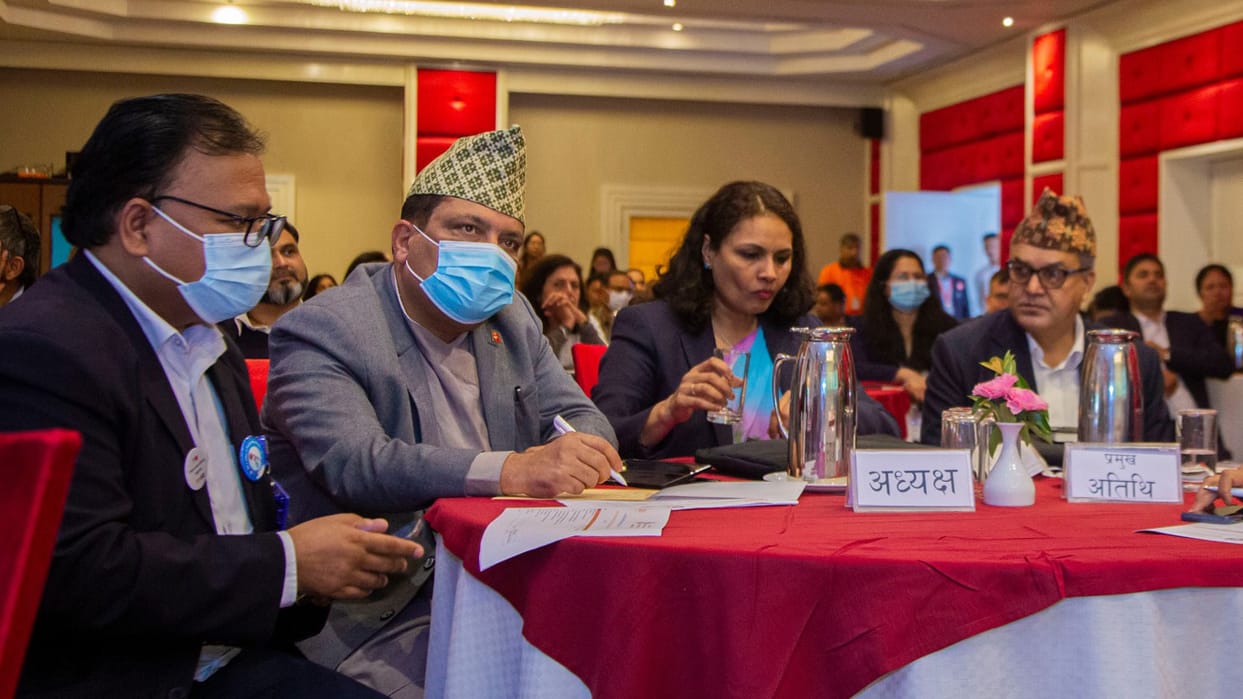
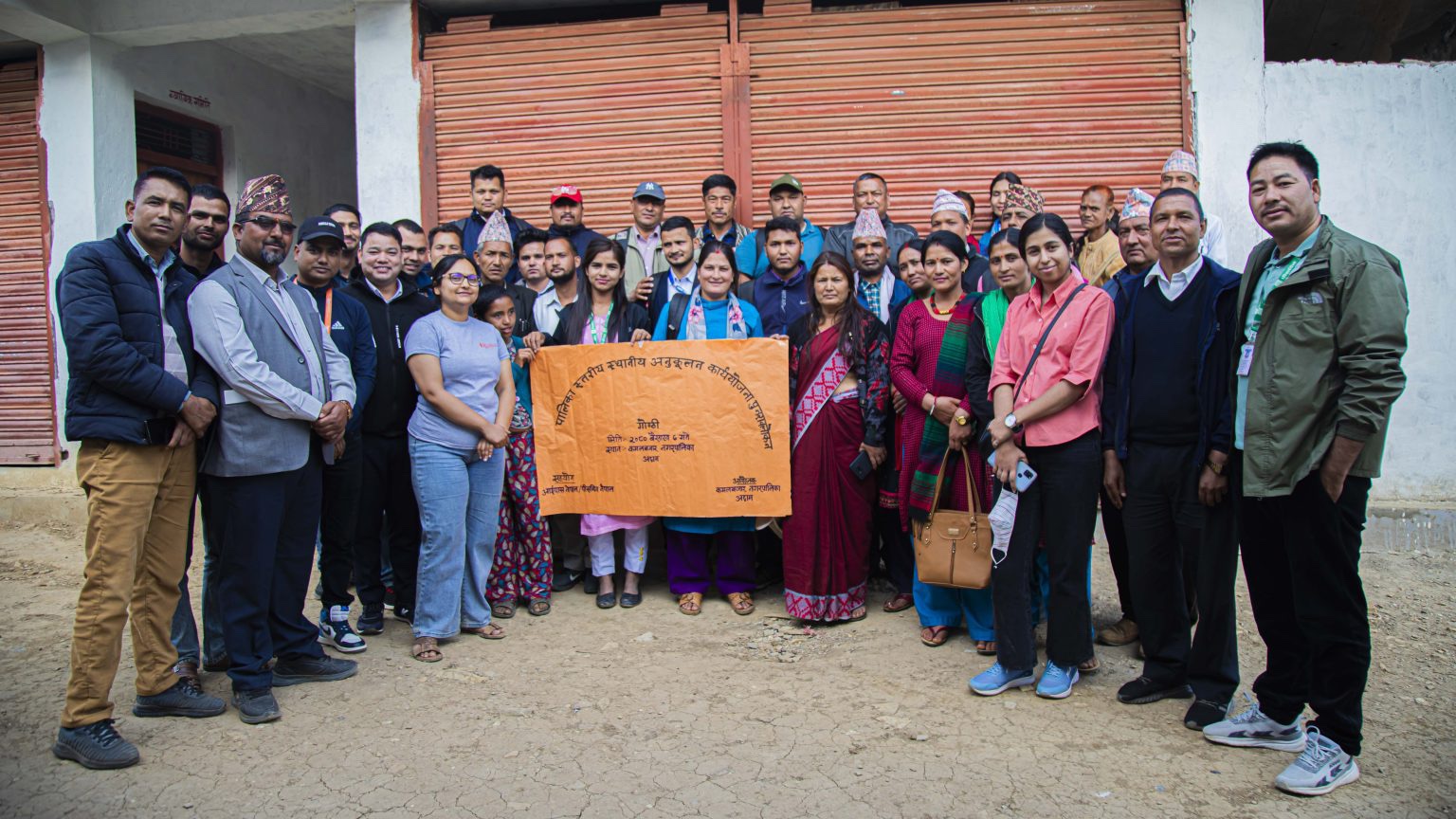
Chhedagad Municipality strengthened its disaster preparedness and climate resilience efforts by enhancing the capacity and coordination mechanisms of the Local Disaster Management Committee (LDMC). The initiative aimed to improve the municipality’s ability to anticipate, prepare for, and respond to climate-induced disasters through strengthened local governance, planning, and disaster risk reduction (DRR) measures.
To support these efforts, technical and coordination assistance was provided to improve the functioning of the LDMC and facilitate the implementation of local disaster preparedness and mitigation activities. As part of the initiative, the municipality successfully completed a procurement process and signed an agreement with PTYSM Jajarkot for the supply of gabion wire (gabion jali), a critical resource for strengthening structural mitigation measures in disaster-prone areas.
The gabion wire will be used in climate-vulnerable locations along the Khara Khola River corridor in Wards 1, 4, and 6, areas that frequently face risks of flooding, soil erosion, and landslides. By investing in preventive infrastructure, the municipality is taking proactive steps to reduce disaster risks, protect public infrastructure, and safeguard communities from the impacts of increasingly frequent climate-related hazards.
The initiative has strengthened the municipality’s capacity to plan, coordinate, and implement disaster risk reduction measures while enhancing preparedness for climate-induced emergencies. It has also fostered stronger collaboration between local government and community stakeholders, creating a more coordinated approach to disaster management and resilience building.
By strengthening local systems and investing in preventive infrastructure, the initiative has improved the municipality’s ability to reduce disaster risks before they escalate into emergencies.These efforts demonstrate the importance of combining strong local governance, effective coordination, and practical mitigation measures to protect communities and infrastructure from climate-related hazards.
Supported by Foundation S as part of ongoing efforts to “Strengthening Climate Resilient Health System in Rural Nepal.”