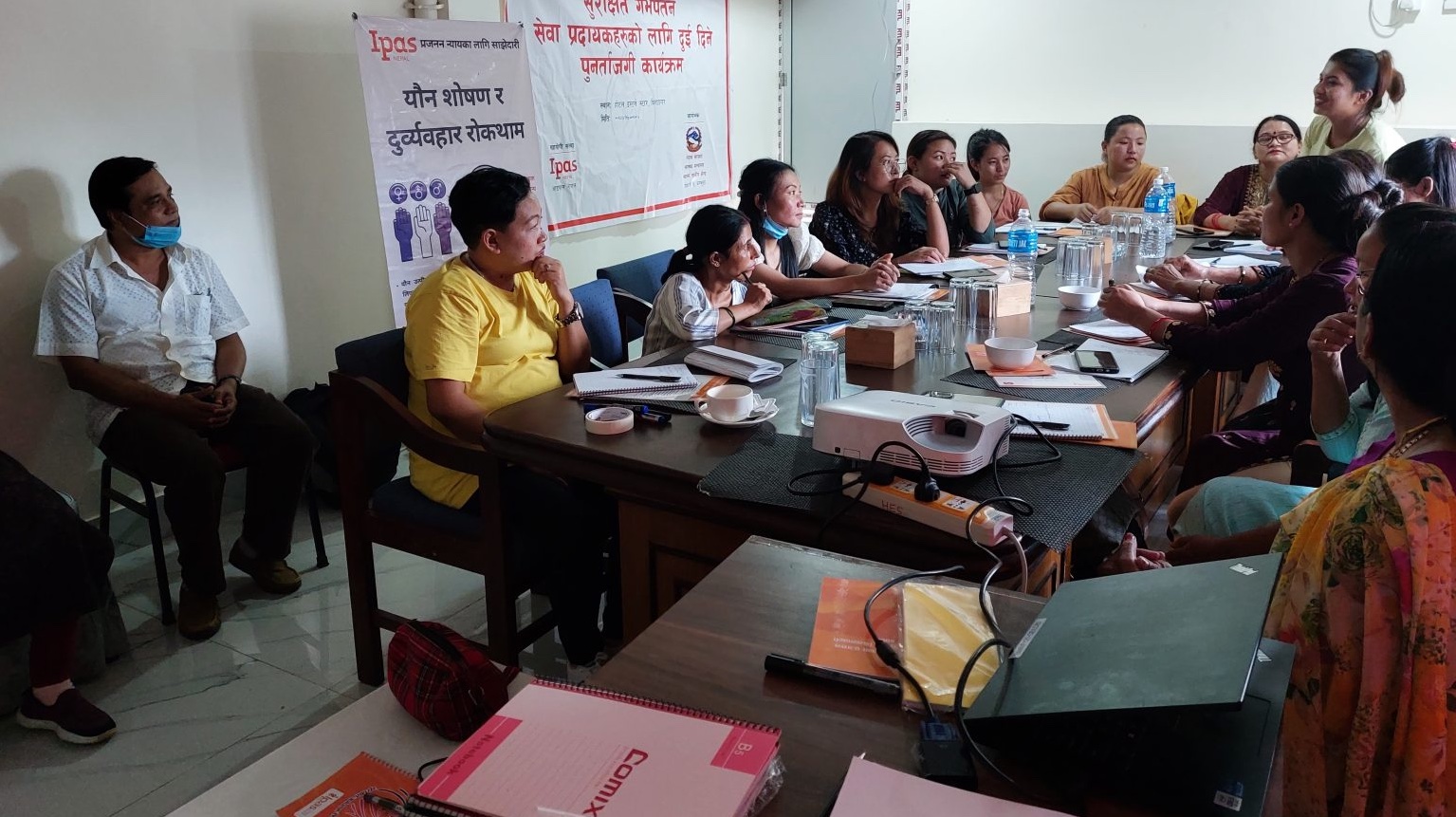
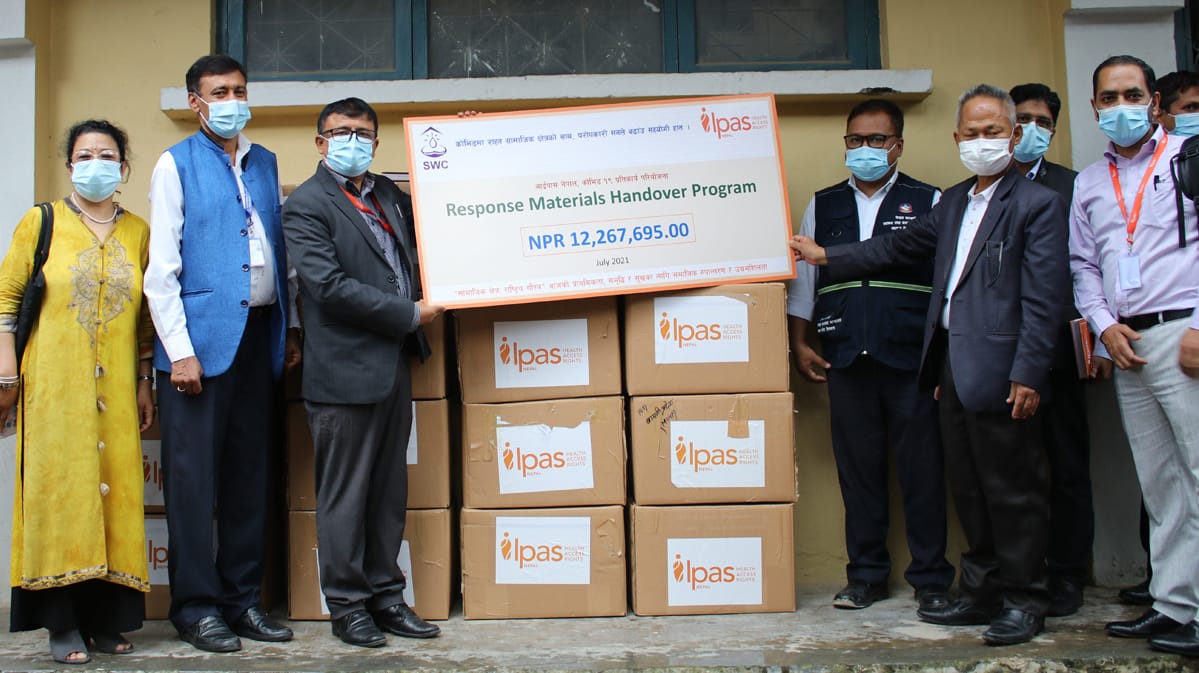

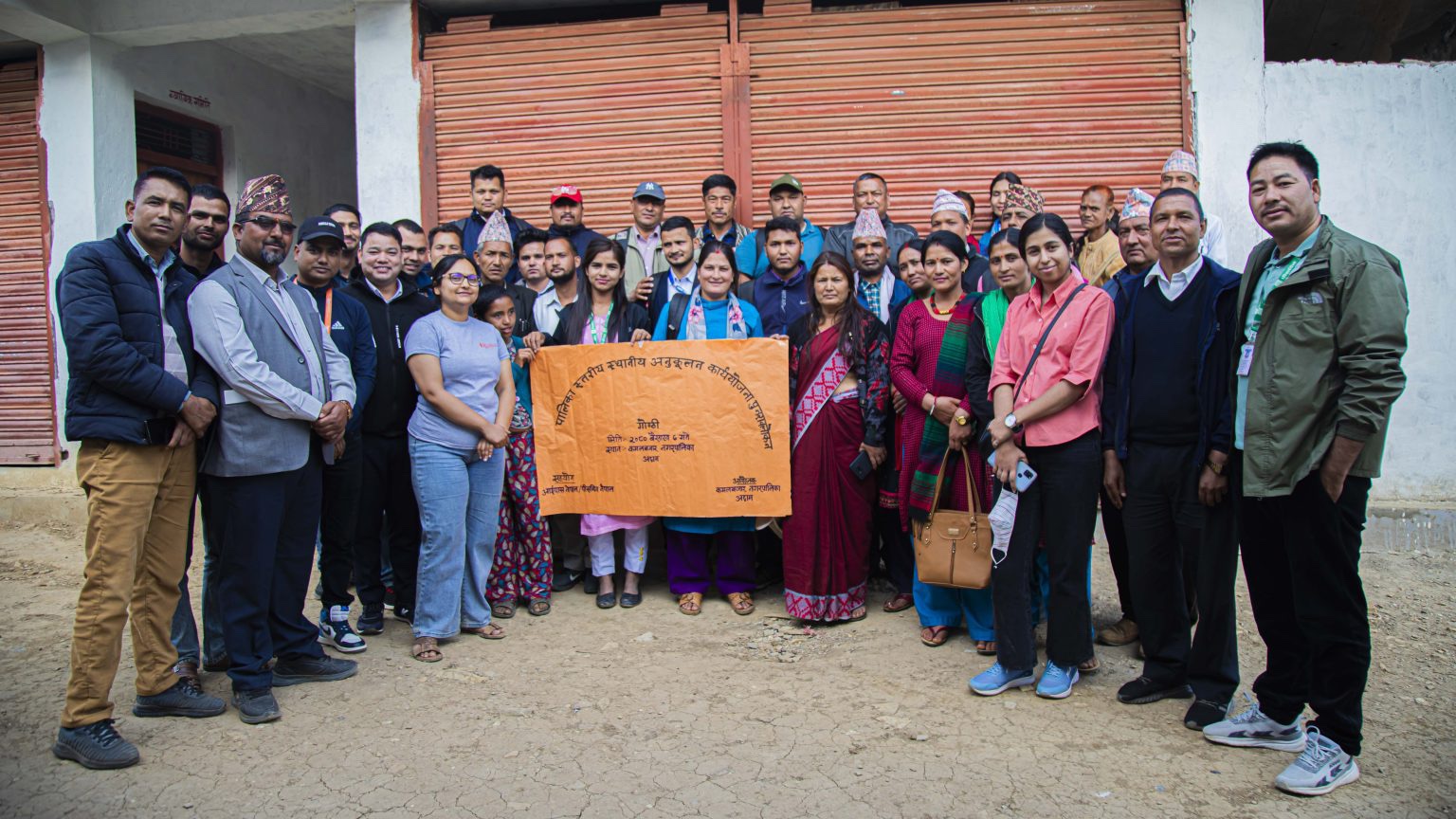

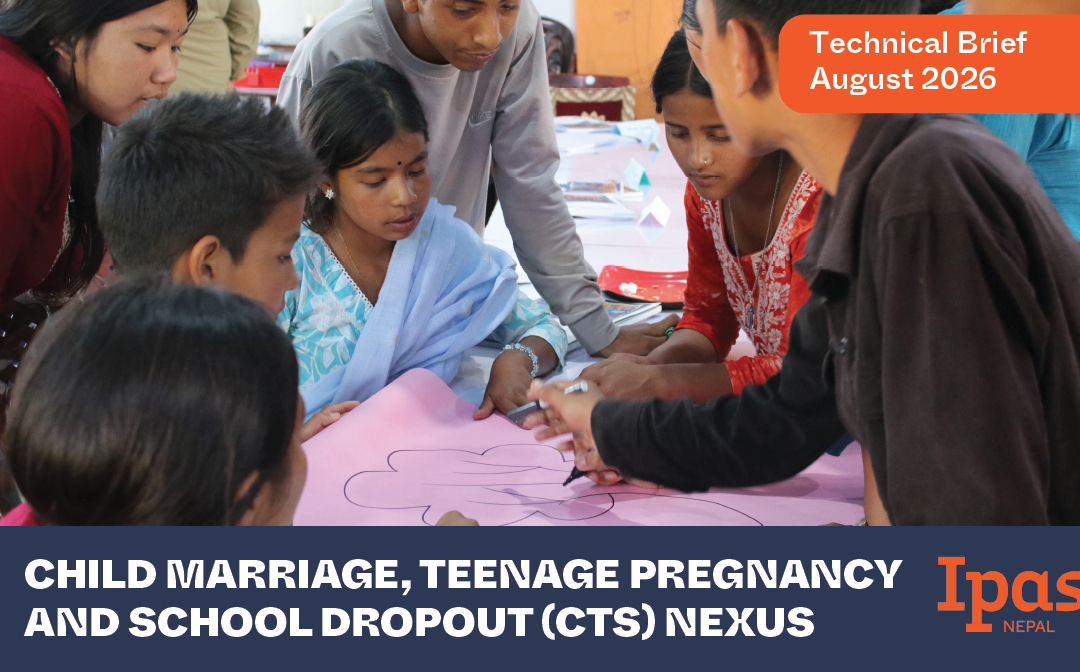
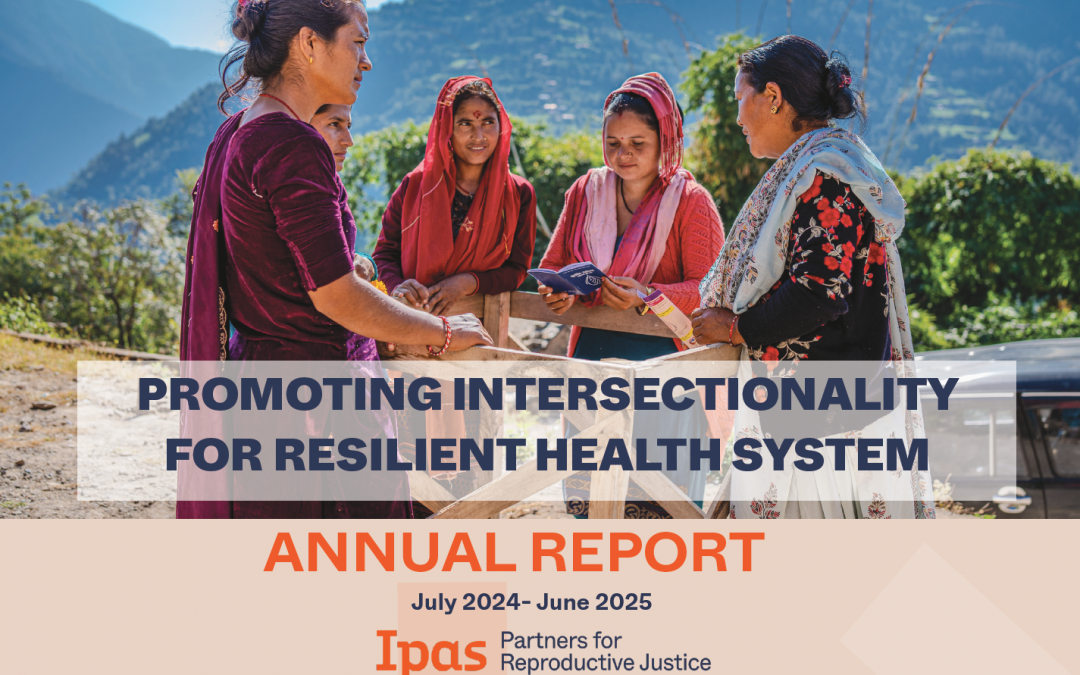
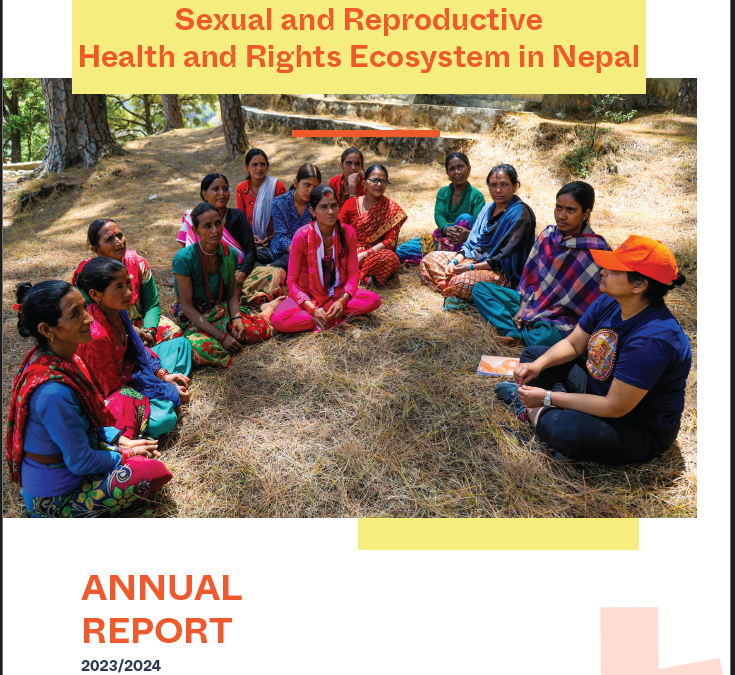
This report highlights the collective achievements of Ipas Nepal in collaboration with the Government of Nepal, our dedic Together, we continue to work toward our vision of…
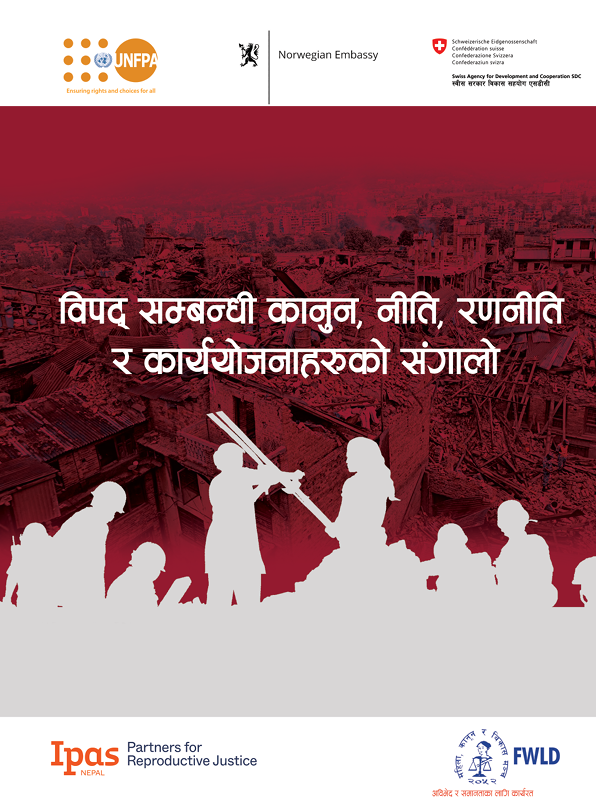
Possibly in the context of a program or initiative involving UNFPA and other organizations in Nepal, issues related to gender-based violence (GBV) and reproductive health.
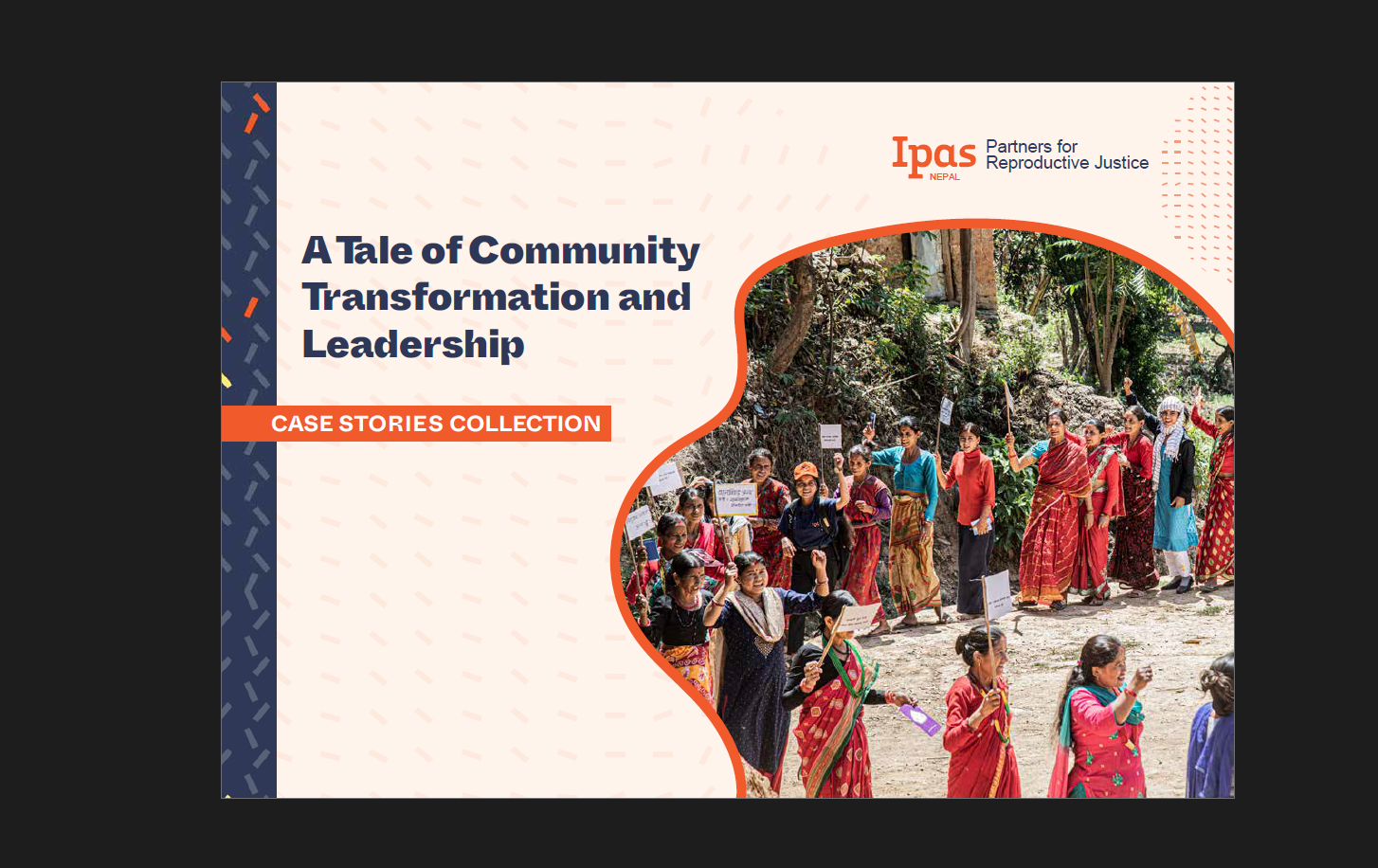
The case stories were collected by authors through discussion and based on the lived experience of changed situation and practice on the issues of Sexual and Reproductive Health…
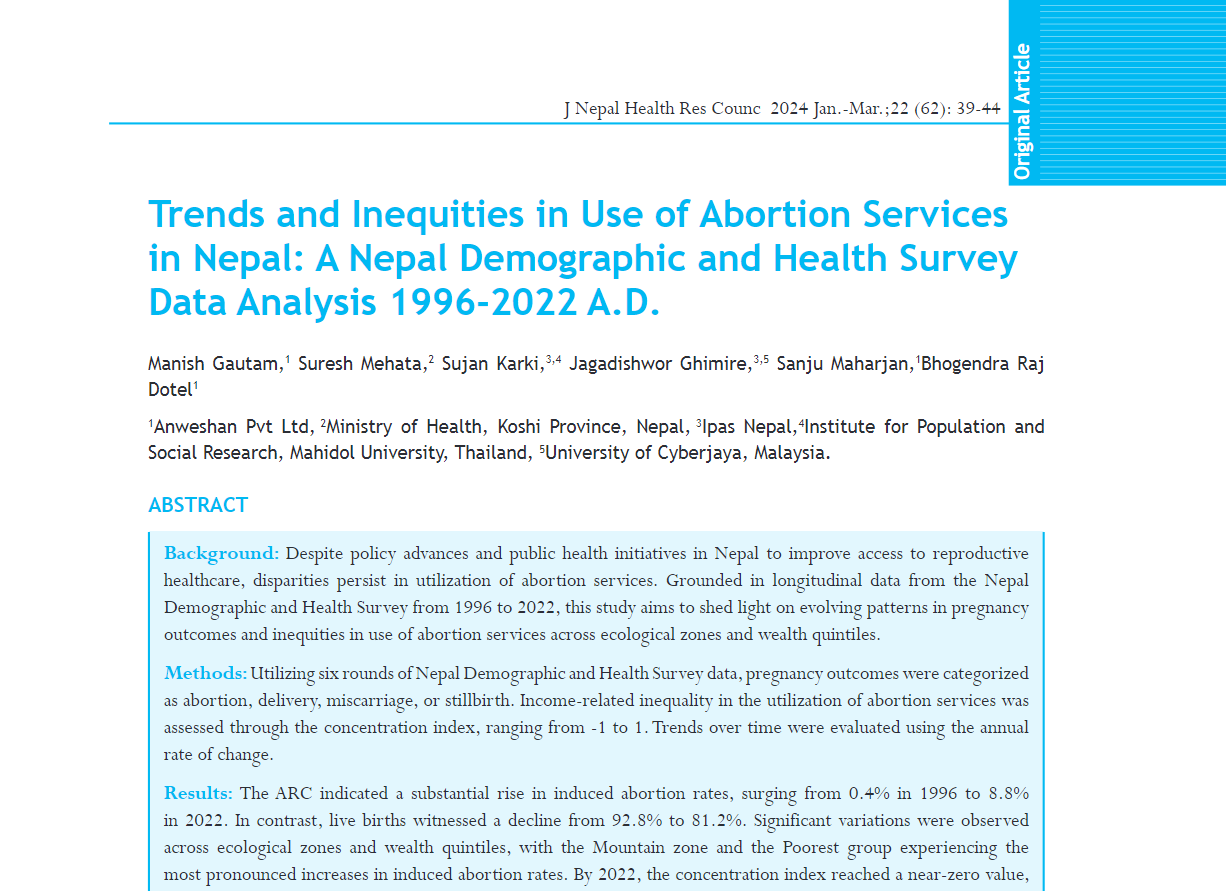
Despite policy advances and public health initiatives in Nepal to improve access to reproductive healthcare, disparities persist in utilization of abortion services.
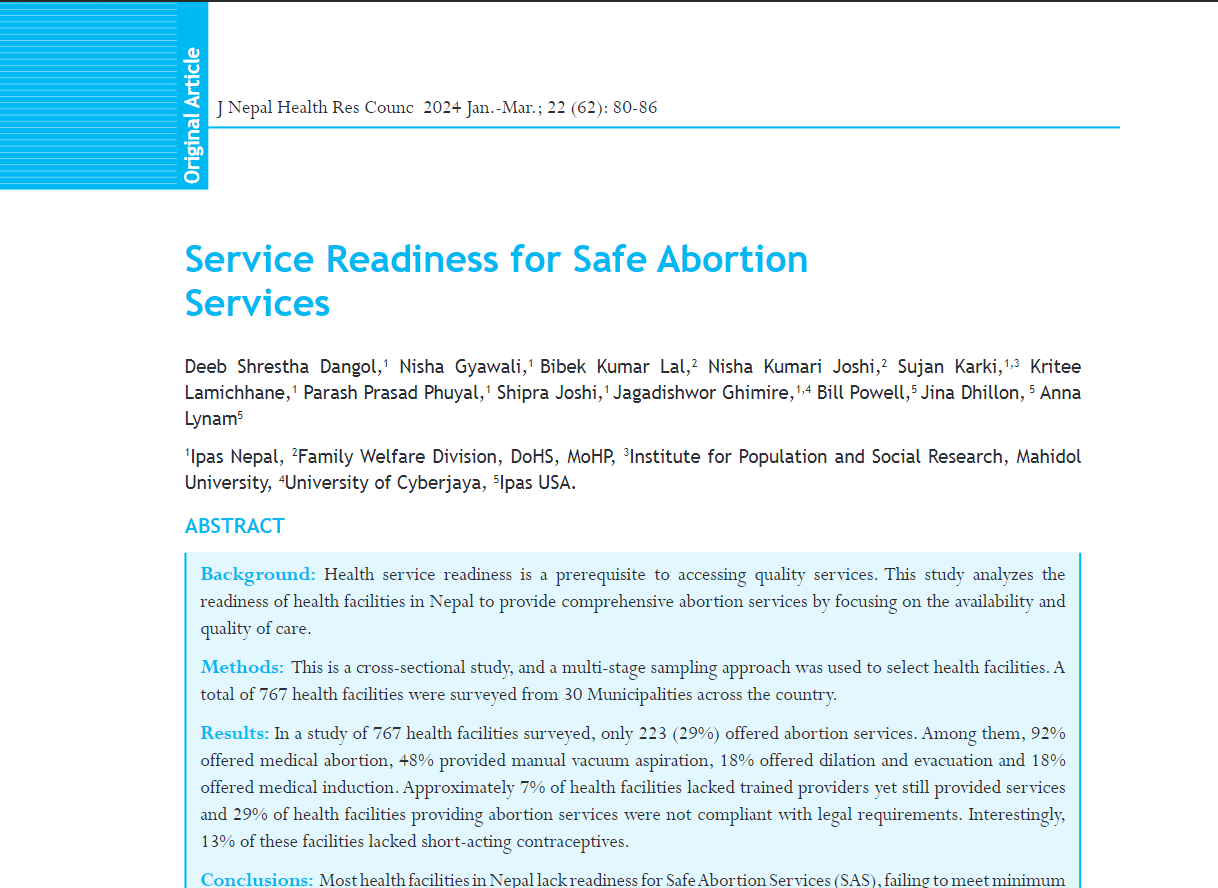
Health service readiness is a prerequisite to accessing quality services. This study analyzes the readiness of health facilities in Nepal to provide comprehensive abortion services by focusing on the availability and quality of care.
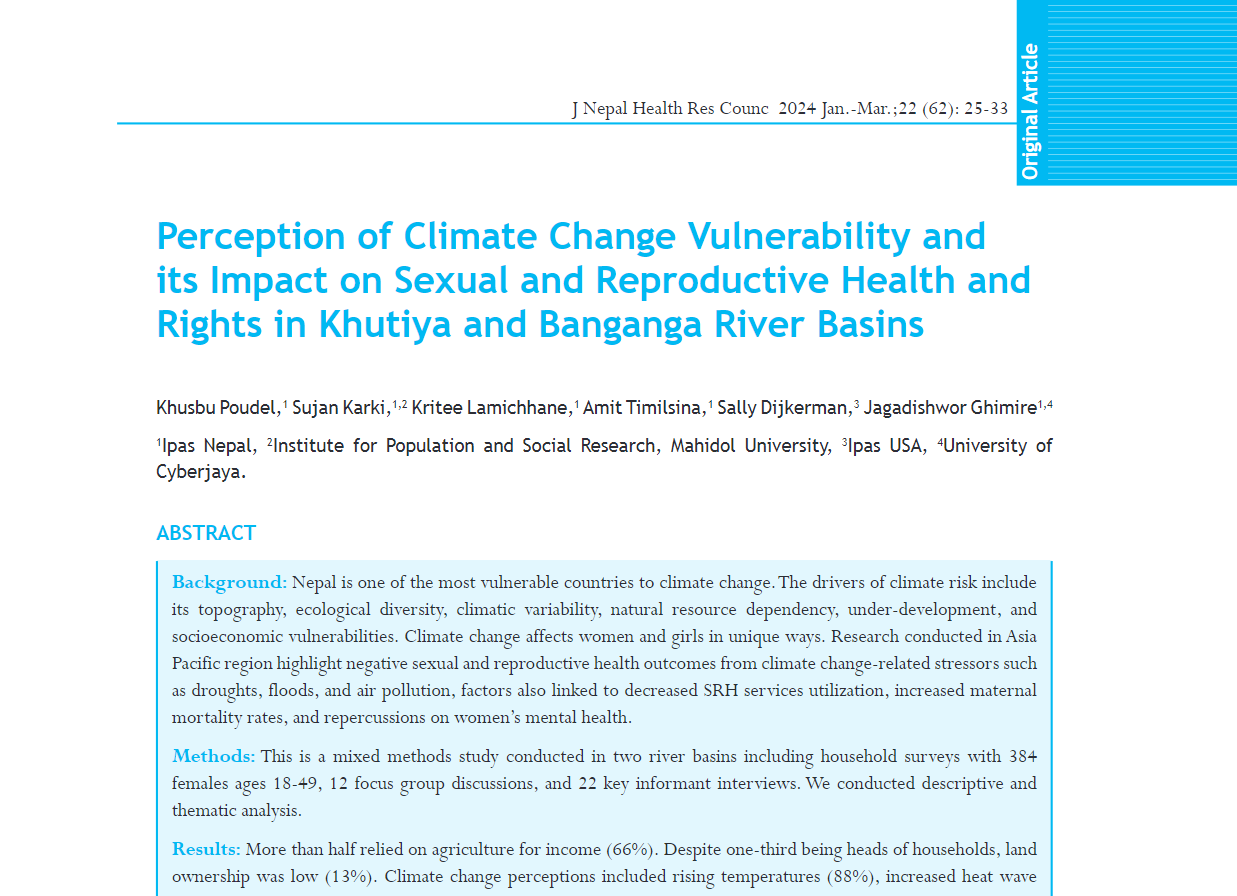
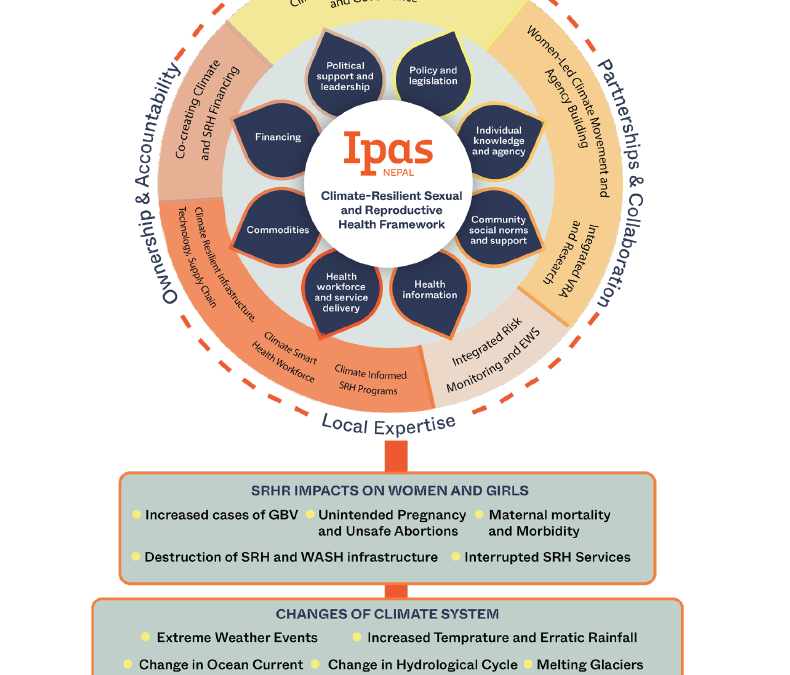
Nepal is one of the most vulnerable countries to climate change. The drivers of climate risk include its topography, ecological diversity, climatic variability, natural resource dependency, under-development, and socioeconomic vulnerabilities.
Even after two decades of legalization of abortion in Nepal, most women and girls still do not have knowledge on abortion legality and face abortion barriers. This study will explore perceived barriers to safe abortion and the factors associated with it.
After the legalization of abortion in Nepal, there has been remarkable changes in policies and service delivery. However, even after two decades of legalization, access to and use of safe abortion services remains limited.
Abortion was legalized by the 2002 Muluki Ain to combat the surging rates of maternal mortality and morbidity. By 2021, the Maternal Mortality Rate plummeted to 151 from 539 in 1996.
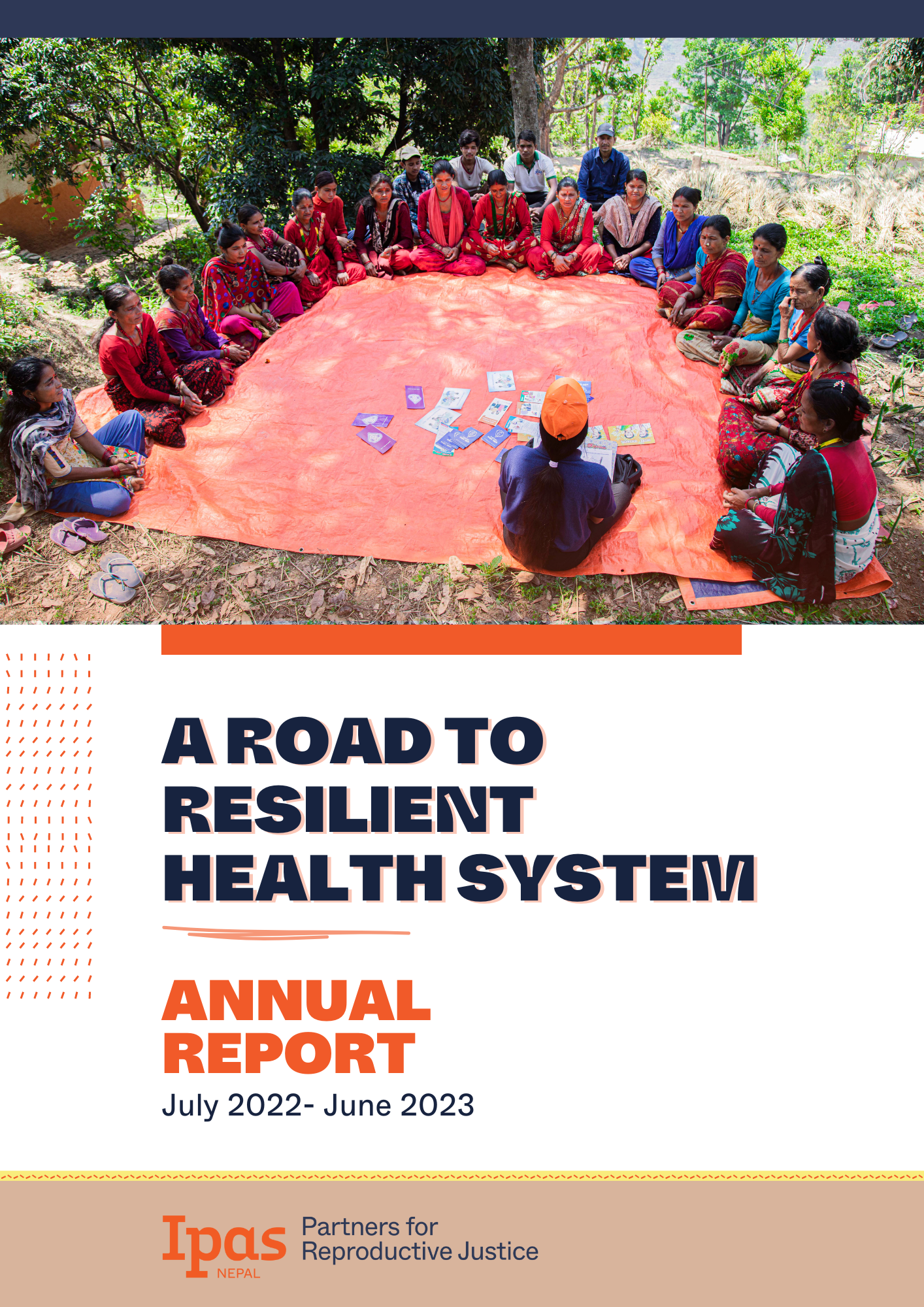
This report is a testament to our efforts in Nepal together with the Government of Nepal, our partners, civil society organizations, and women and girls from communities…
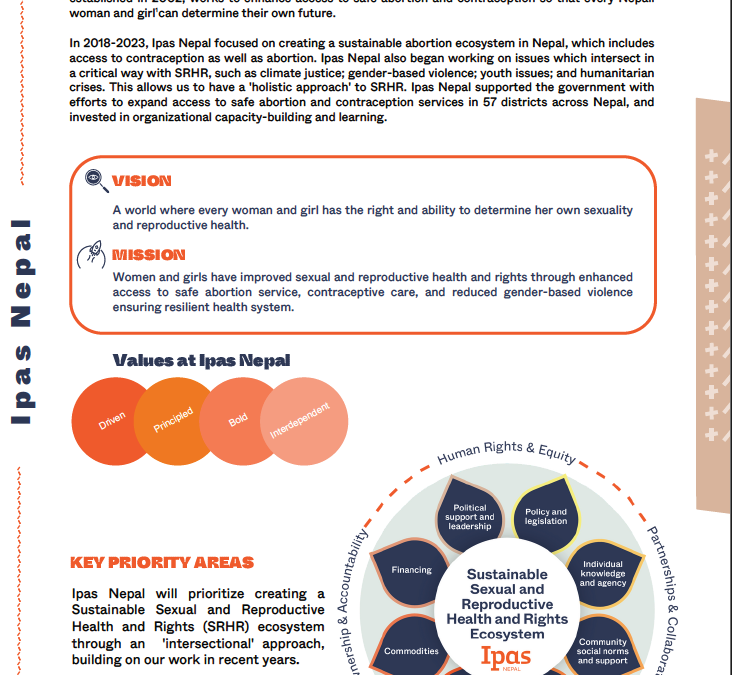
Ipas Nepal Strategic Plan 2023-2028
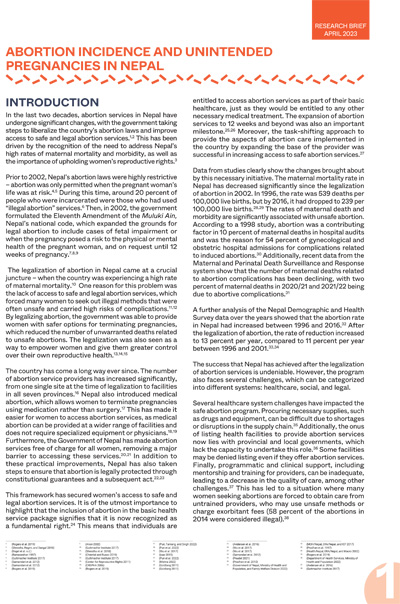
In the last two decades, abortion services in Nepal have undergone significant changes, with the government taking steps to liberalize the country’s abortion laws and improve…
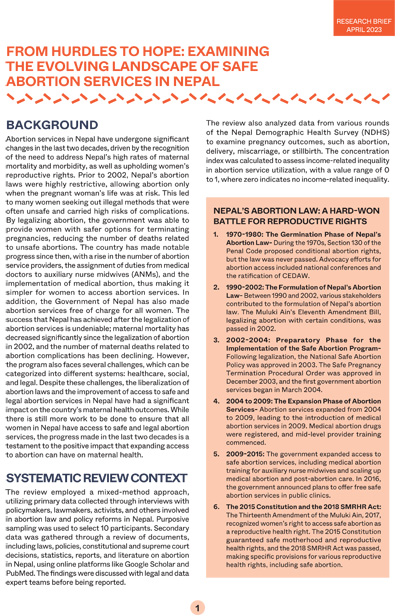
Abortion services in Nepal have undergone significant changes in the last two decades, driven by the recognition of the need to address Nepal’s high rates of maternal mortality and morbidity, as well as upholding women’s reproductive rights…
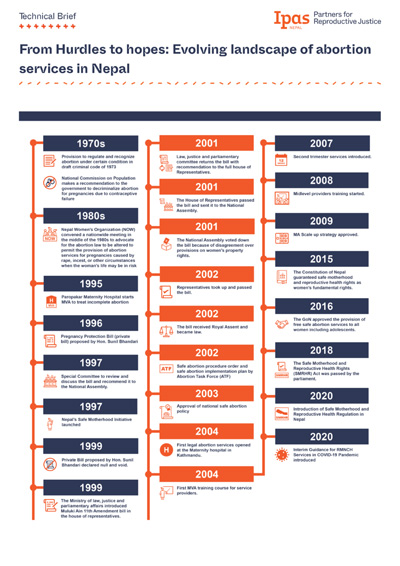
Infographics showing Ipas’s influence in Nepal…
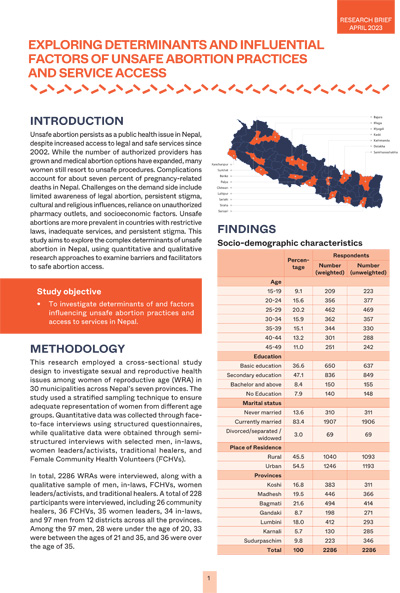
Unsafe abortion persists as a public health issue in Nepal, despite increased access to legal and safe services since 2002. While the number of authorized providers…
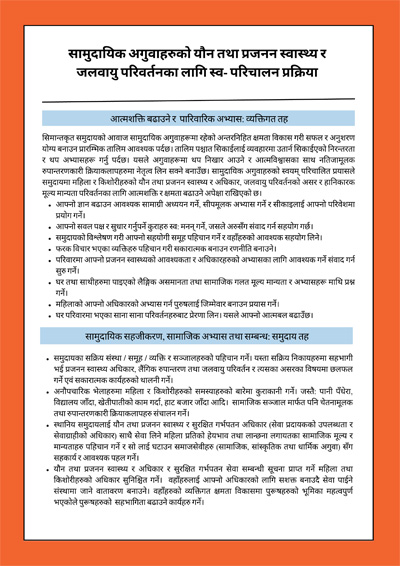
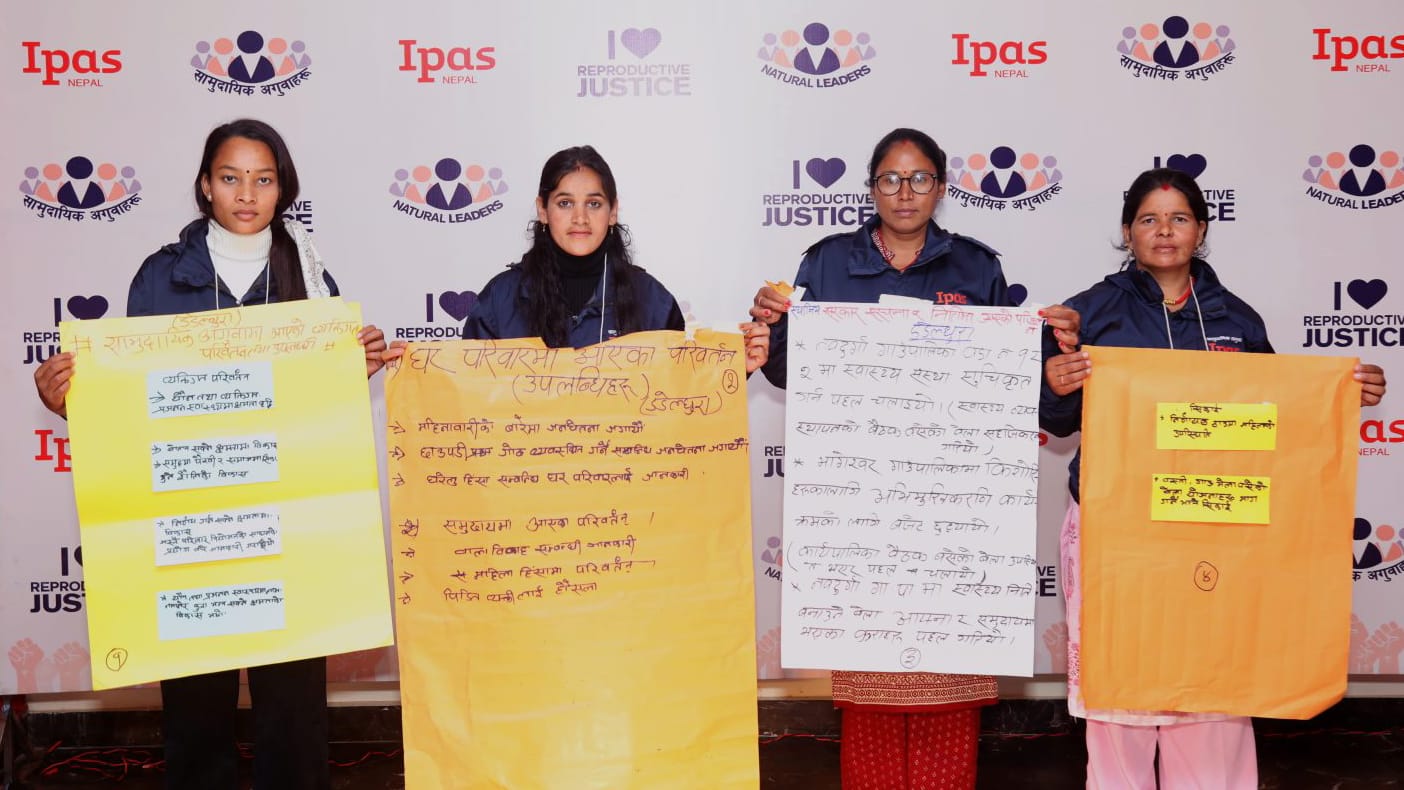
Community leaders’ sexual and reproductive health and self-mobilization process for climate change…
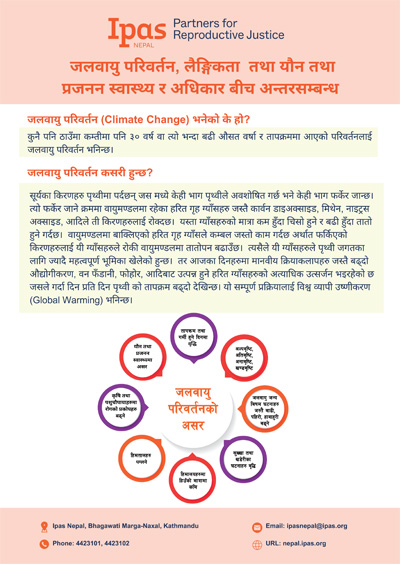
What is climate change? Climate change refers to changes in average rainfall and temperature for at least 30 years or more…
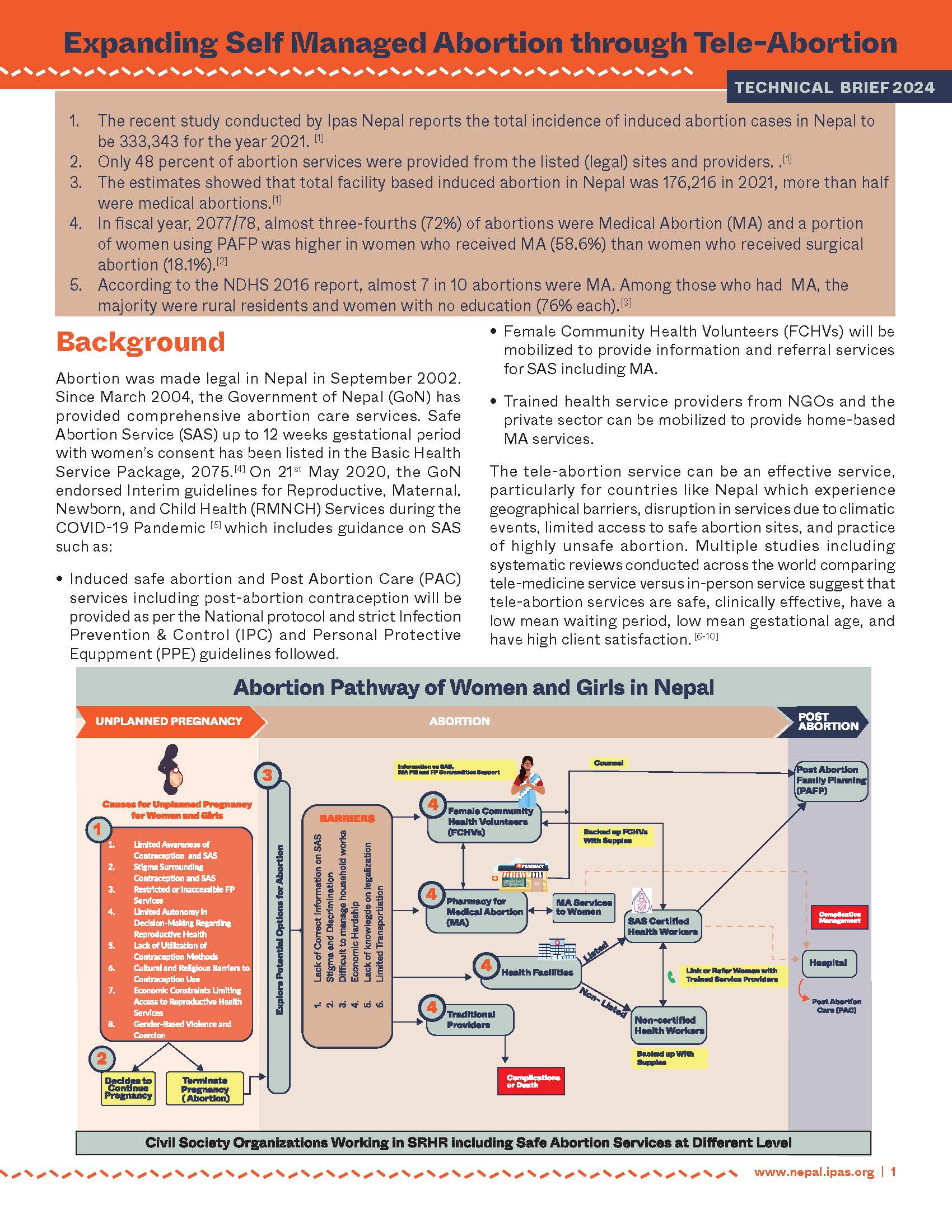
Abortion was made legal in Nepal in September 2002. Since March 2004, the Government of Nepal (GoN) has provided comprehensive abortion care services…
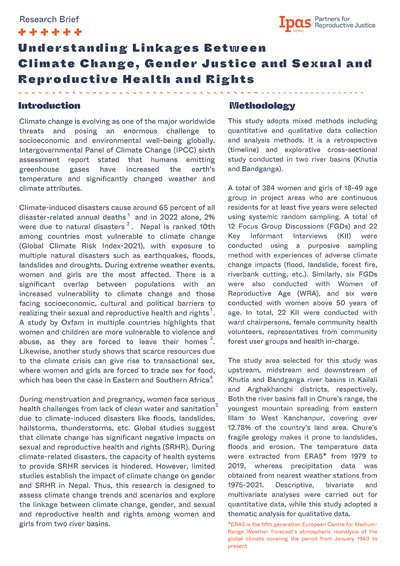
Climate change is evolving as one of the major worldwide threats and posing an enormous challenge to socioeconomic and environmental well-being globally…
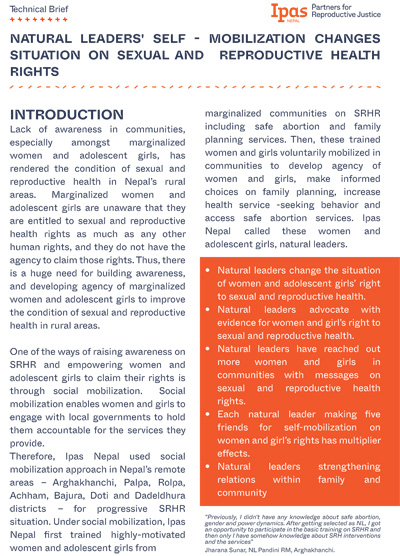
Lack of awareness in communities, especially amongst marginalized women and adolescent girls, has rendered the condition of sexual and reproductive health in Nepal’s rural areas…
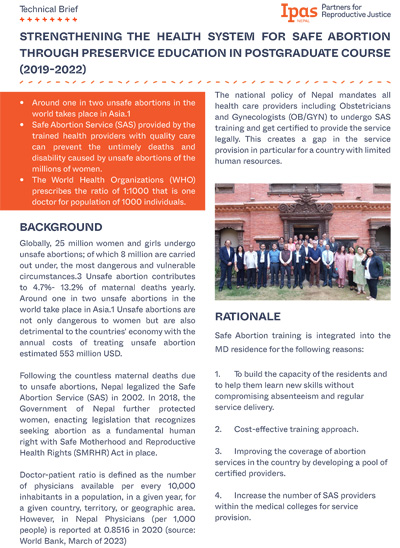
Globally, 25 million women and girls undergo unsafe abortions; of which 8 million are carried out under, the most dangerous and vulnerable circumstances….
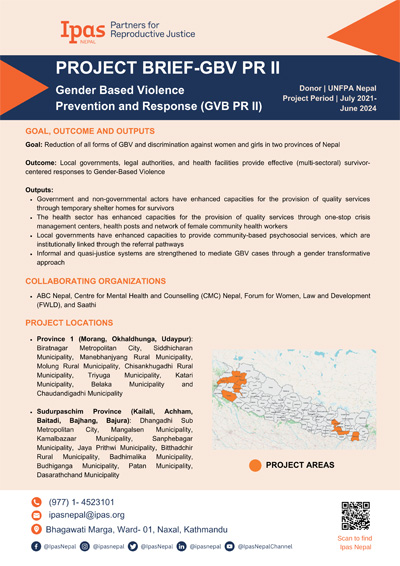
लक्ष्य: नेपालका दुई प्रदेशमा महिला तथा बालिकाहरू विरुद्ध हुने सबै प्रकारका GBV र भेदभाव न्यूनीकरण…
Goal: Reduction of all forms of GBV and discrimination against women and girls in two provinces of Nepal…
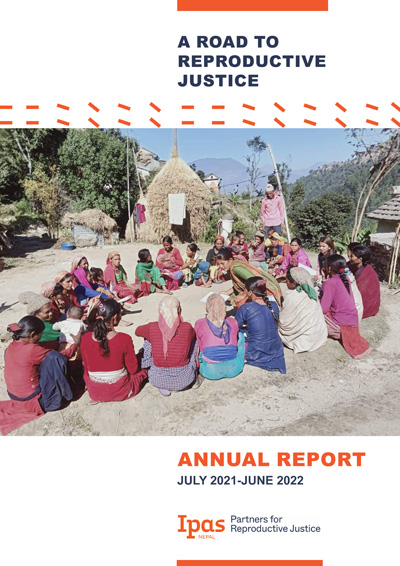
Despite the huge challenges posed by the COVID-19 pandemic, Ipas Nepal managed to achieve some incredible results in sexual and reproductive health and rights (SRHR)…
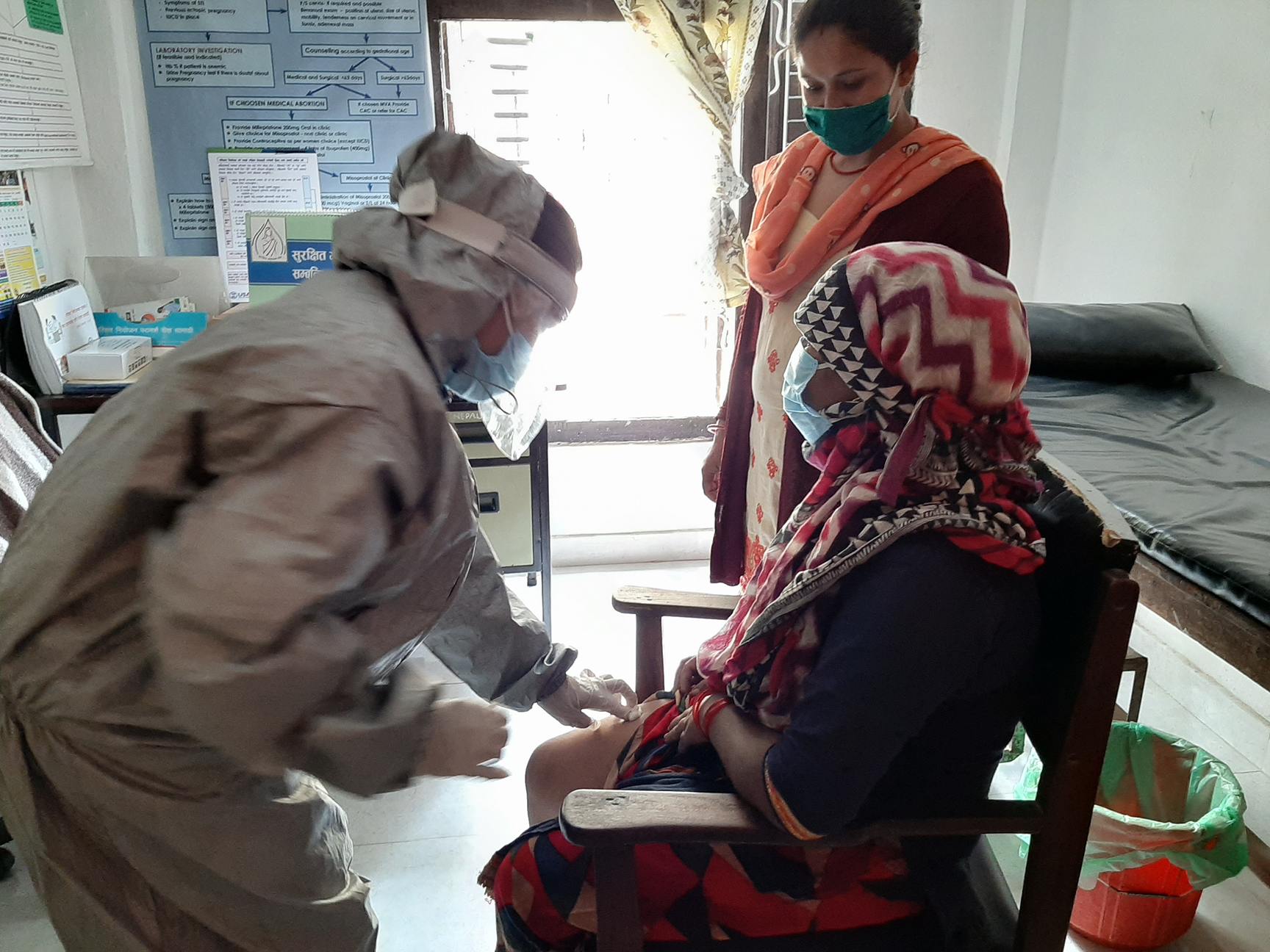
For the past two decades, Basanti Paudel, 41, of Nawalpur had always used Depo-Provera to prevent unwanted pregnancies Then last year, she was given a new choice: Sayana Press.
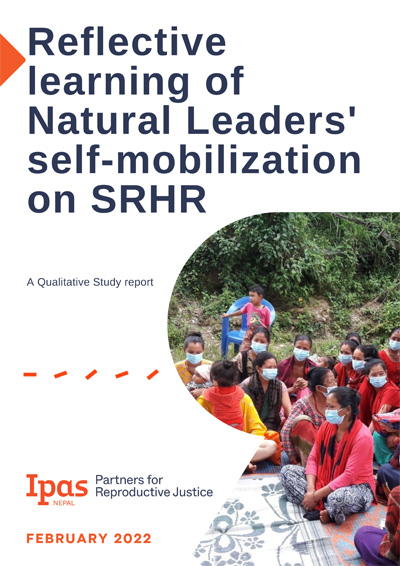
Social mobilization is an empowering process to raise awareness of and demand for a particular program, to assist in the delivery of resources and services and to strengthen community participation for sustainability and self-reliance…
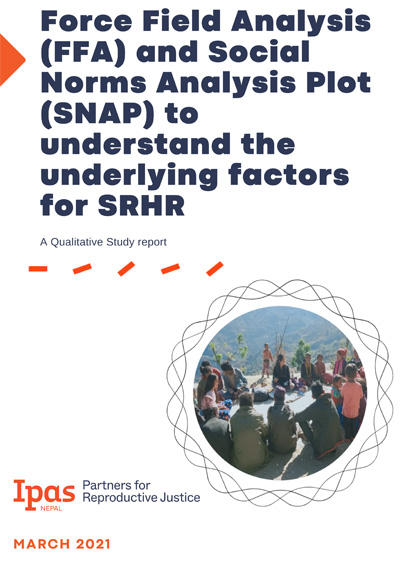
The access to sexual and reproductive health and rights (SRHR) including safe abortion comprises various factors and actors cutting across the standalone health lens. These actors and factors based on the principle of human rights…
Universal health coverage (UHC) has been identified as a means of addressing health inequalities to achieve the 2030 Sustainable Development Goals (SDGs).1 As defined by the World Health Organization (WHO), UHC means that all individuals…
Liberalization of abortion law in 2002 and expansion of abortion service thereafter, has contributed to acute cut of the maternal death attributed to unsafe abortion from 20% to 7%. Recent estimate shows that 323,000 abortions were conducted…
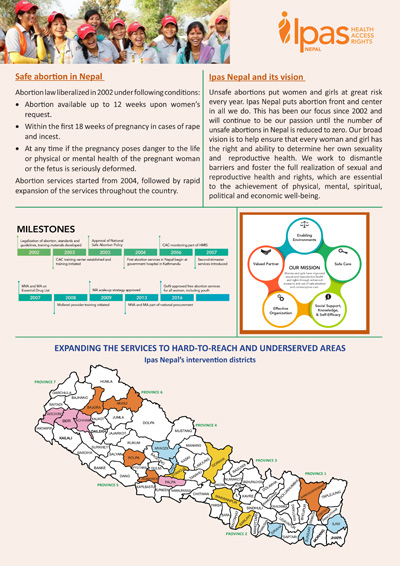
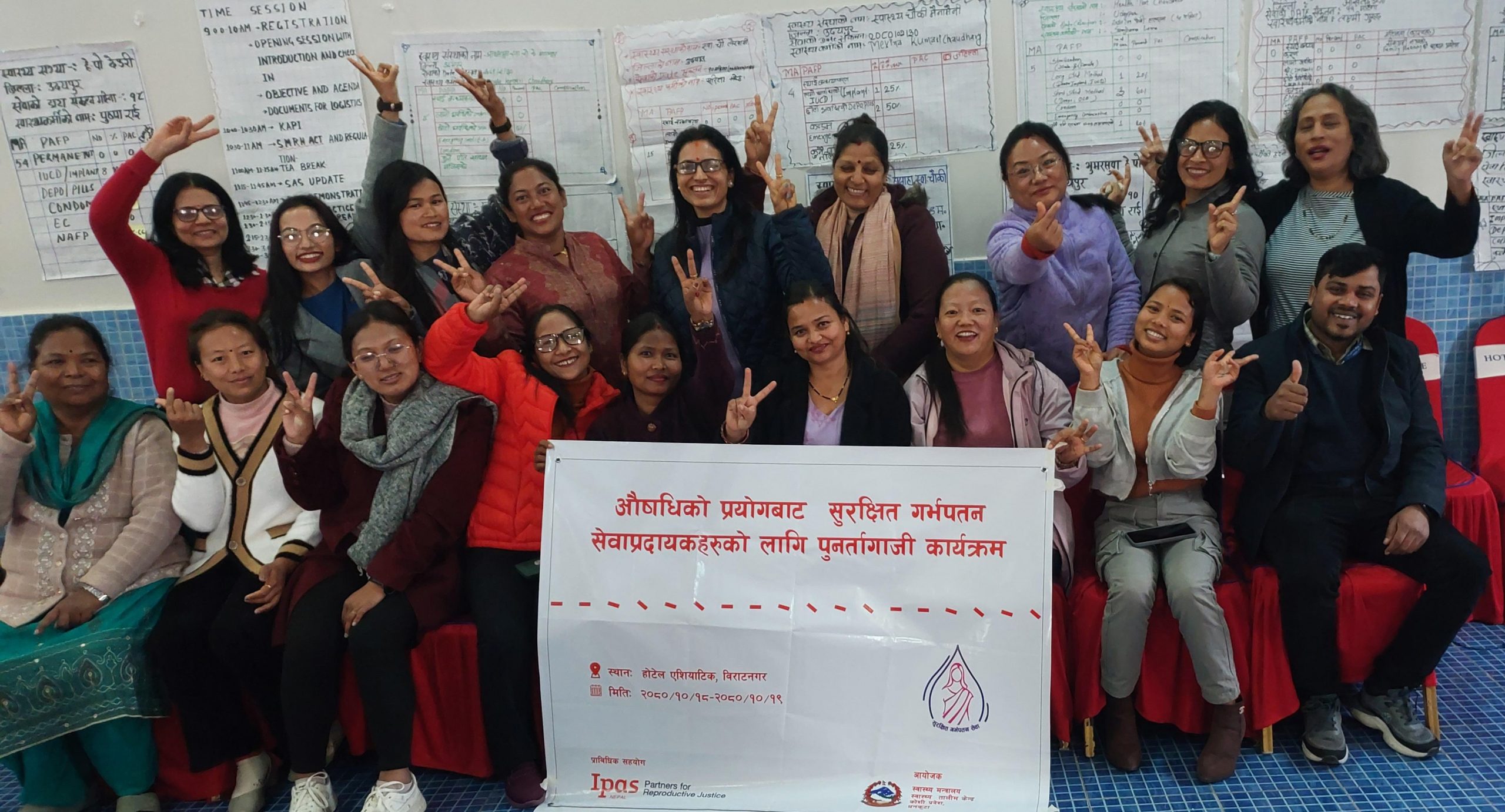
Enhancing the ability of women to obtain comprehensive abortion care and prevent unwanted pregnancy Ipas Nepal is providing support to MoHP and its relevant divisions and centers to increase access to Safe Abortion Services (SAS)…
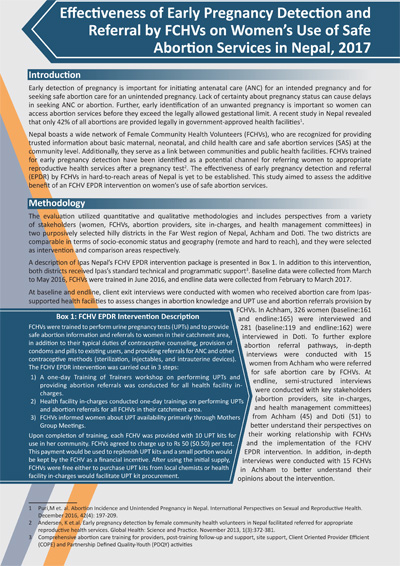
Early detection of pregnancy is important for initiating antenatal care (ANC) for an intended pregnancy and for seeking safe abortion care for an unintended pregnancy. Lack of certainty about pregnancy status can cause delays in seeking…
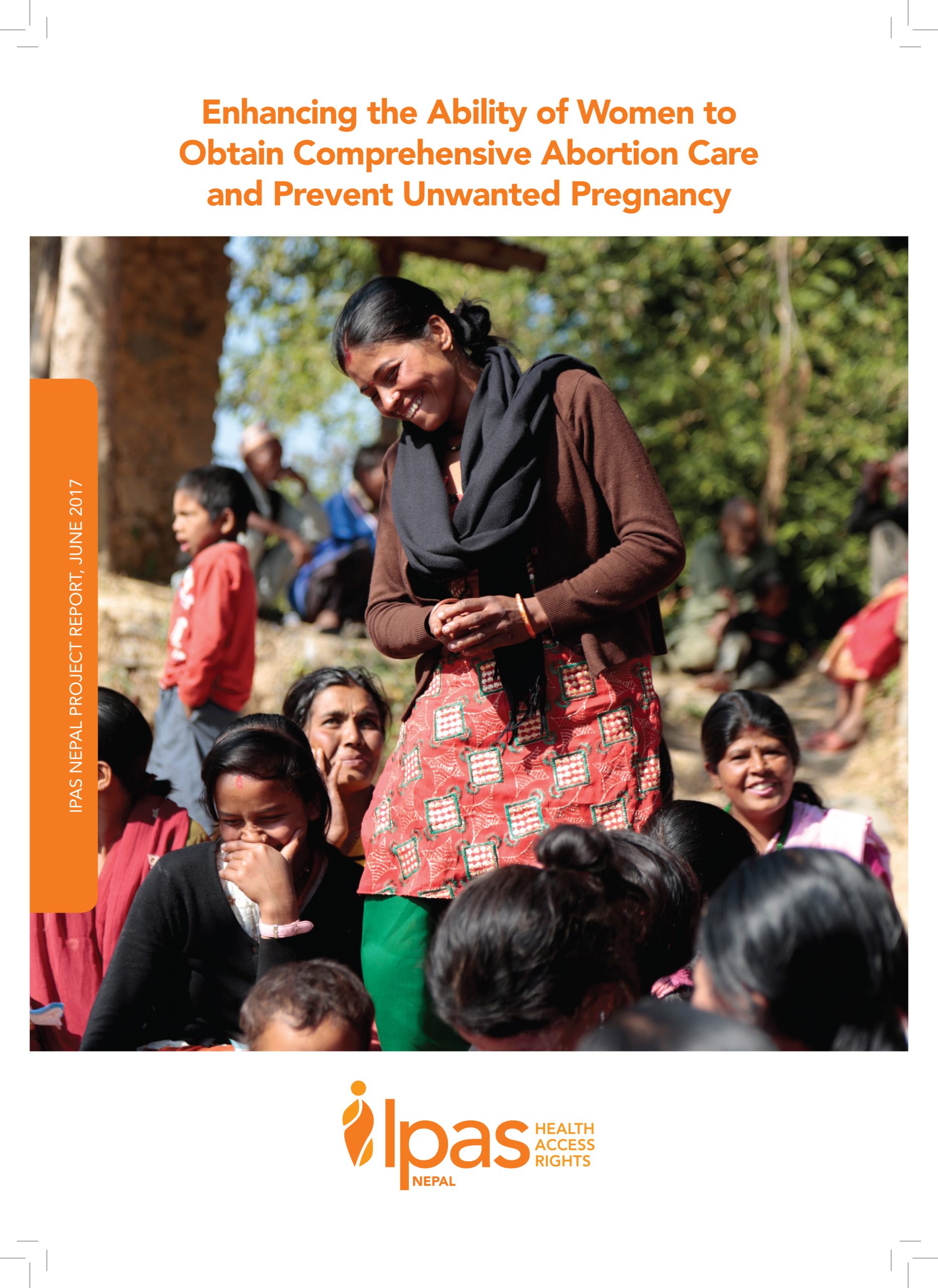
In March 2002, the Parliament of Nepal enacted landmark legislation granting women broad legal access to abortion. Lawmakers took this historic step in response to evidence of the detrimental effect of the previous restrictive abortion…
The COPE (client-oriented, provider-efficient) approach originated as a quality improvement process for family planning services and was developed by Engender Health, which has been developing and refining the COPE technique and tools since 1988.
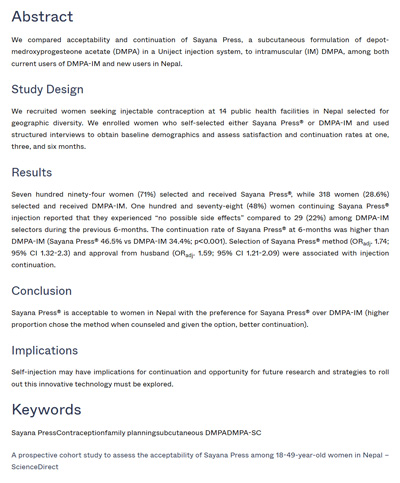
We compared acceptability and continuation of Sayana Press, a subcutaneous formulation of depot-medroxyprogesteone acetate (DMPA) in a Uniject injection system, to intramuscular (IM) DMPA, among both current users of DMPA-IM and new users in Nepal.
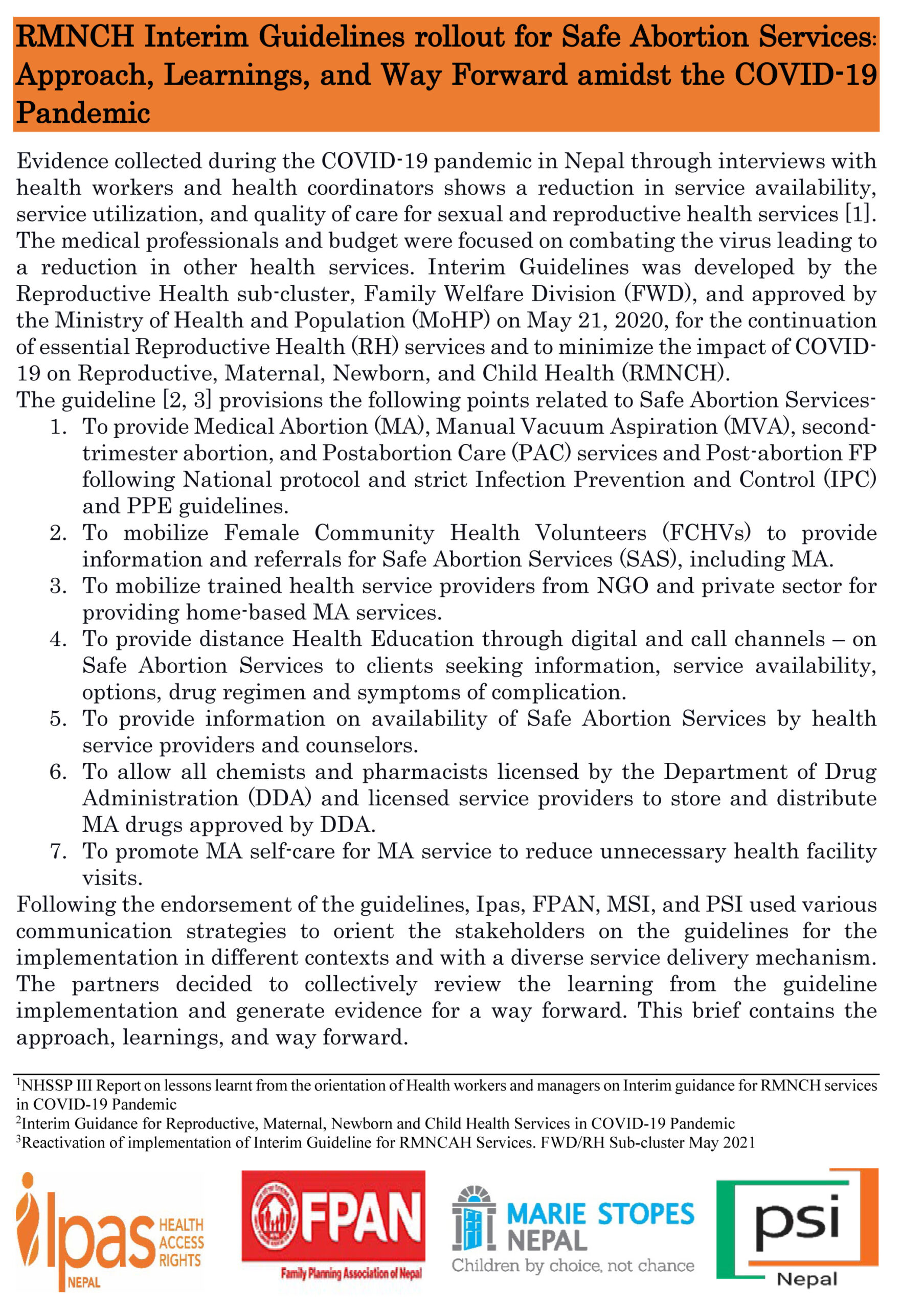
Evidence collected during the COVID-19 pandemic in Nepal through interviews with health workers and health coordinators shows a reduction in service availability, service utilization, and quality of care for sexual and reproductive health services
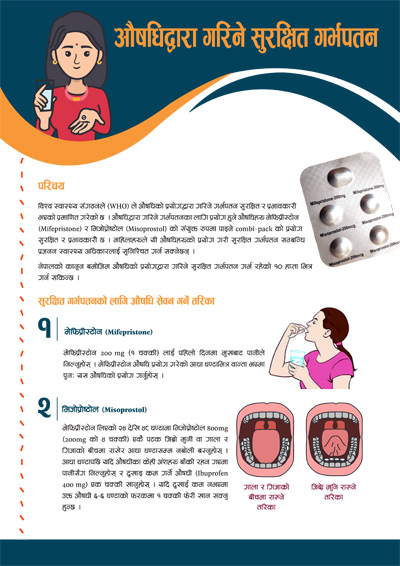
The World Health Organization (WHO) has proven that abortion using drugs is safe and effective. The use of combi-packs combined with mefipristone (Mifepristone) and Mizoprostol (Misoprostol)…
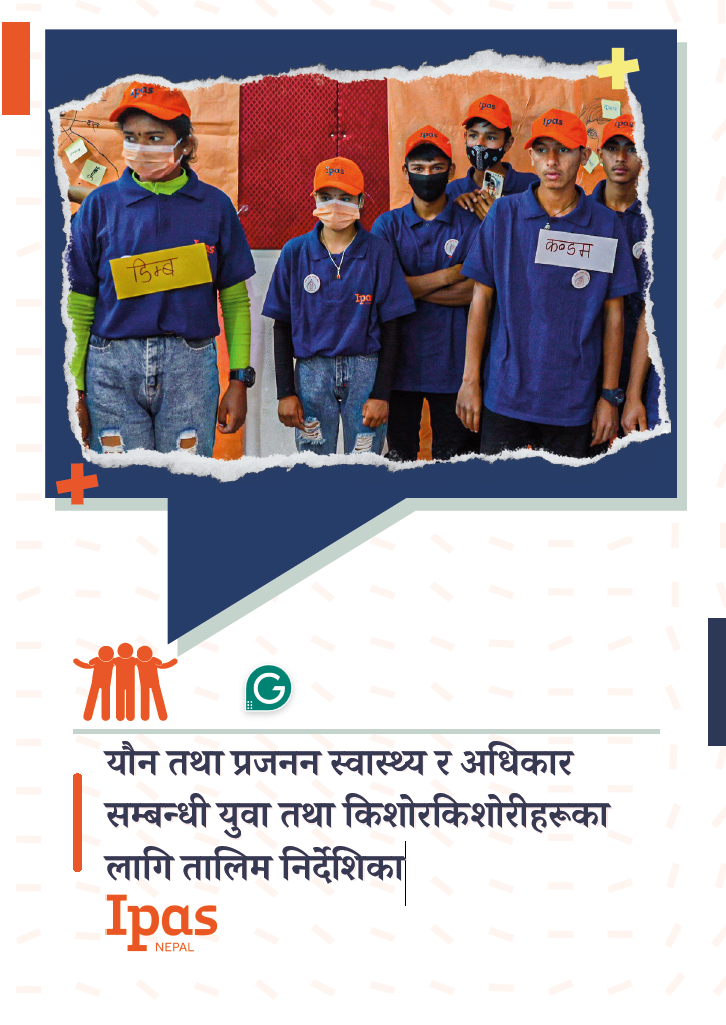
Training Guidelines for Youth and Adolescents on Sexual and Reproductive Health and Rights…
Increased utilization of health services may not necessarily improve health outcomes unless the services are characterized by excellence in delivery along with other benchmarks for good quality.
Ipas Nepal works to enhance access to safe abortion and contraception so that every Nepali woman and girl can determine her own future.
Increased utilization of health services may not necessarily improve health outcomes unless the services are characterized by excellence in delivery along with other benchmarks for good quality.