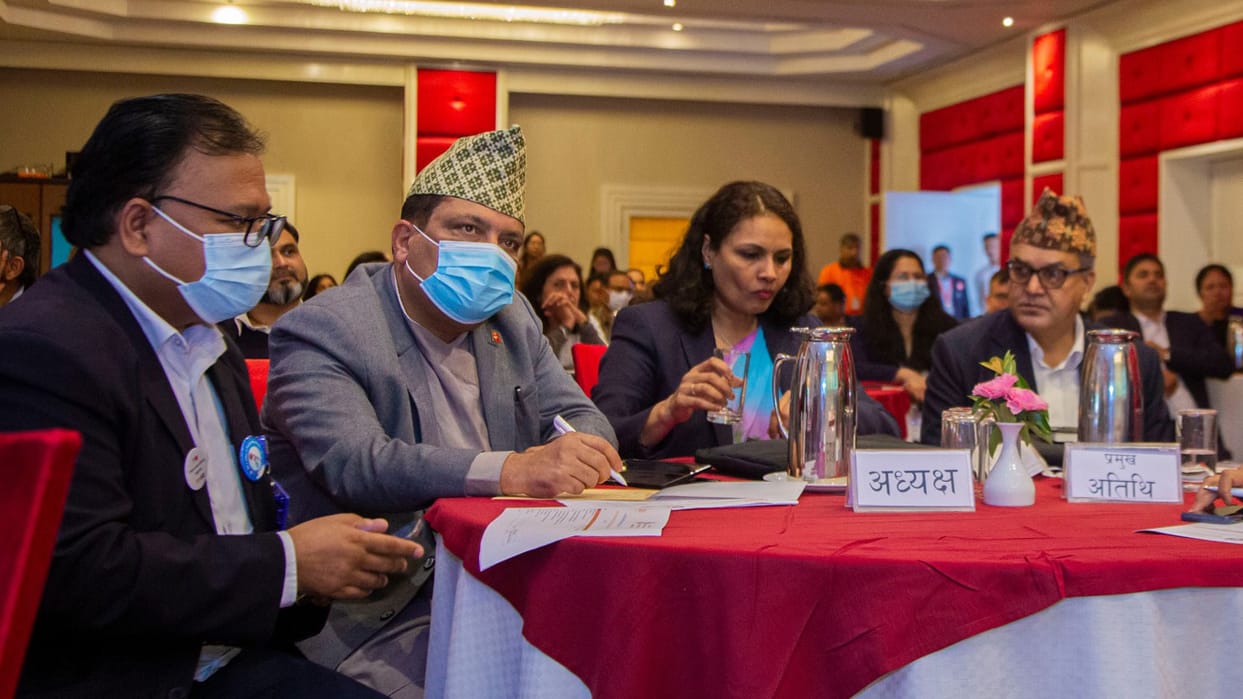
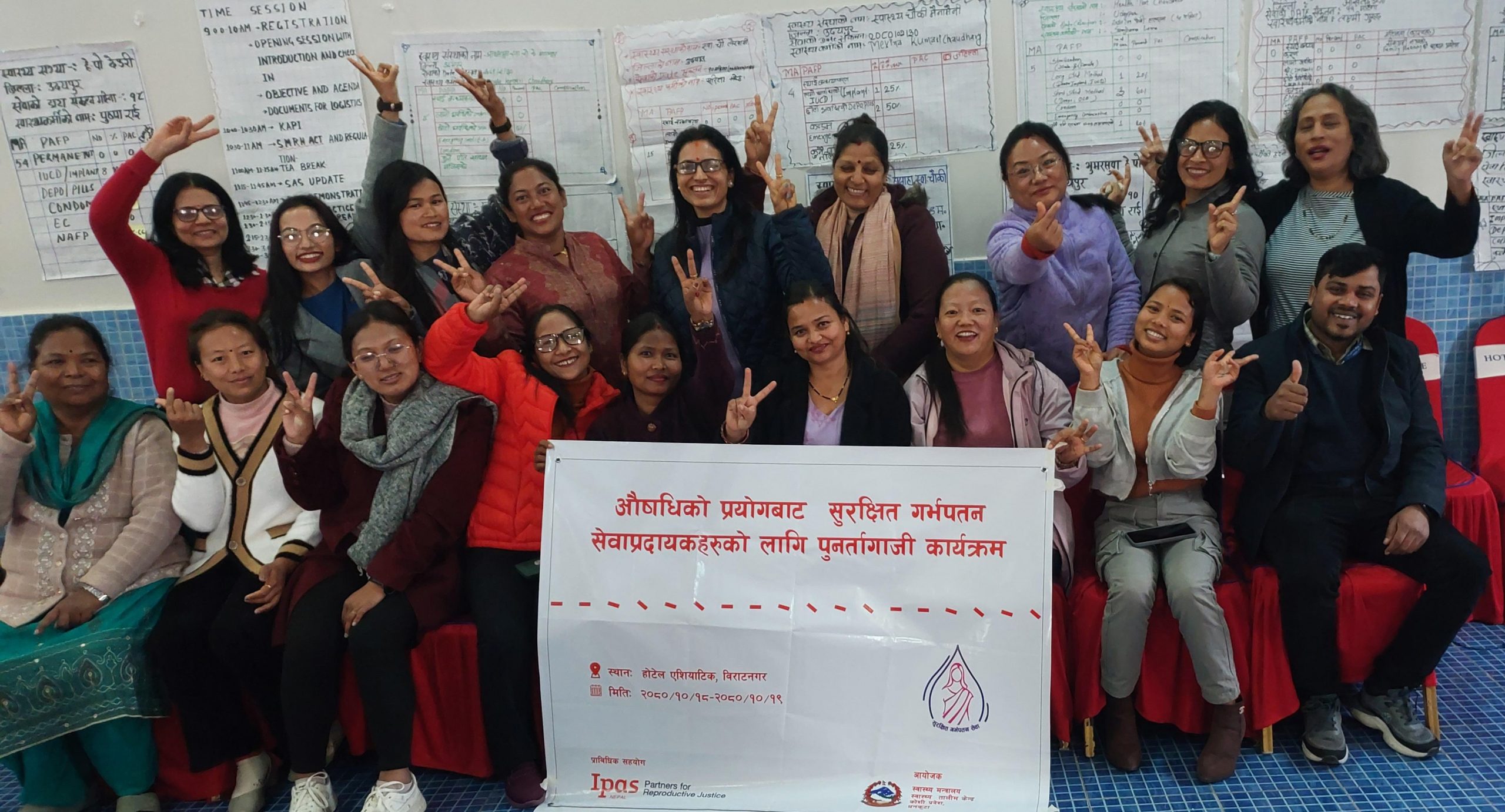
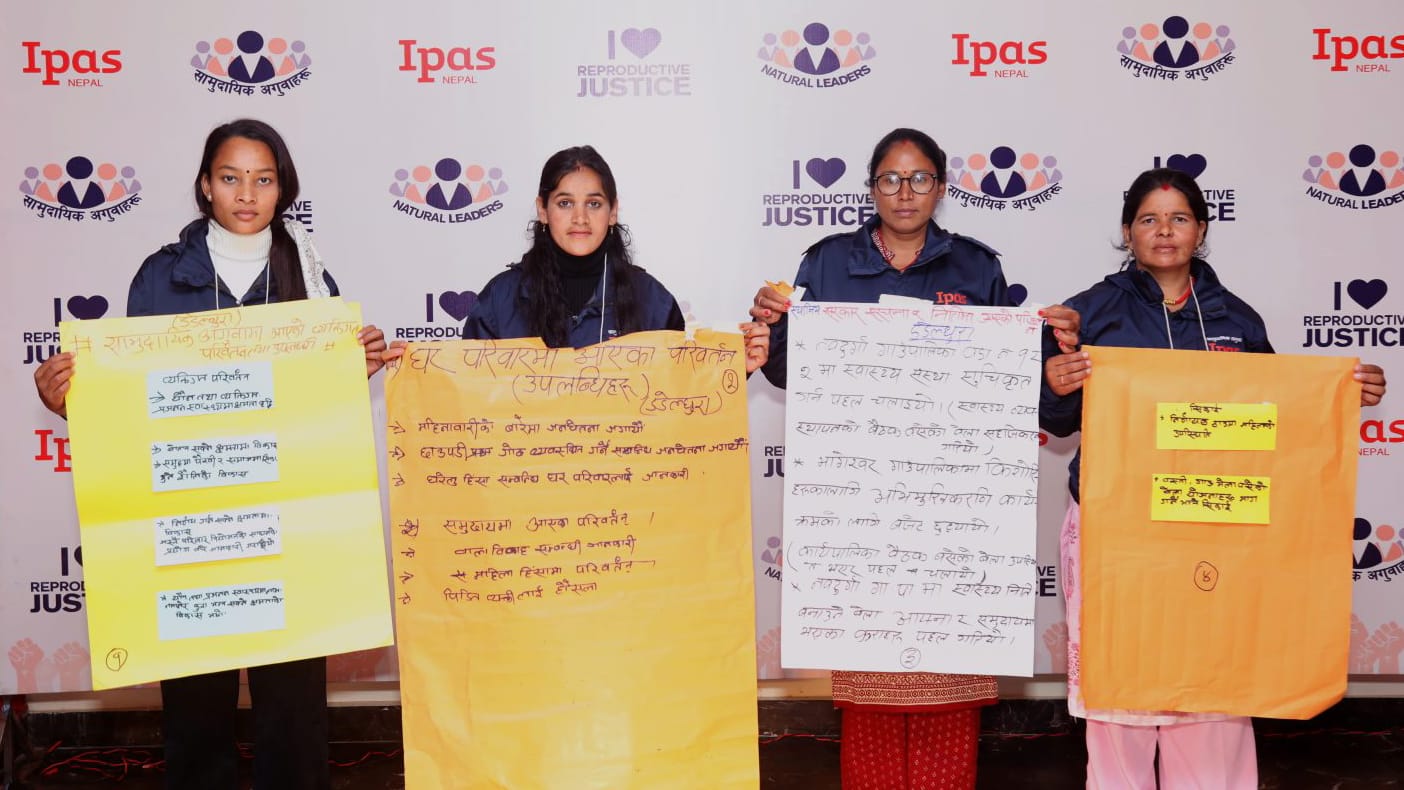
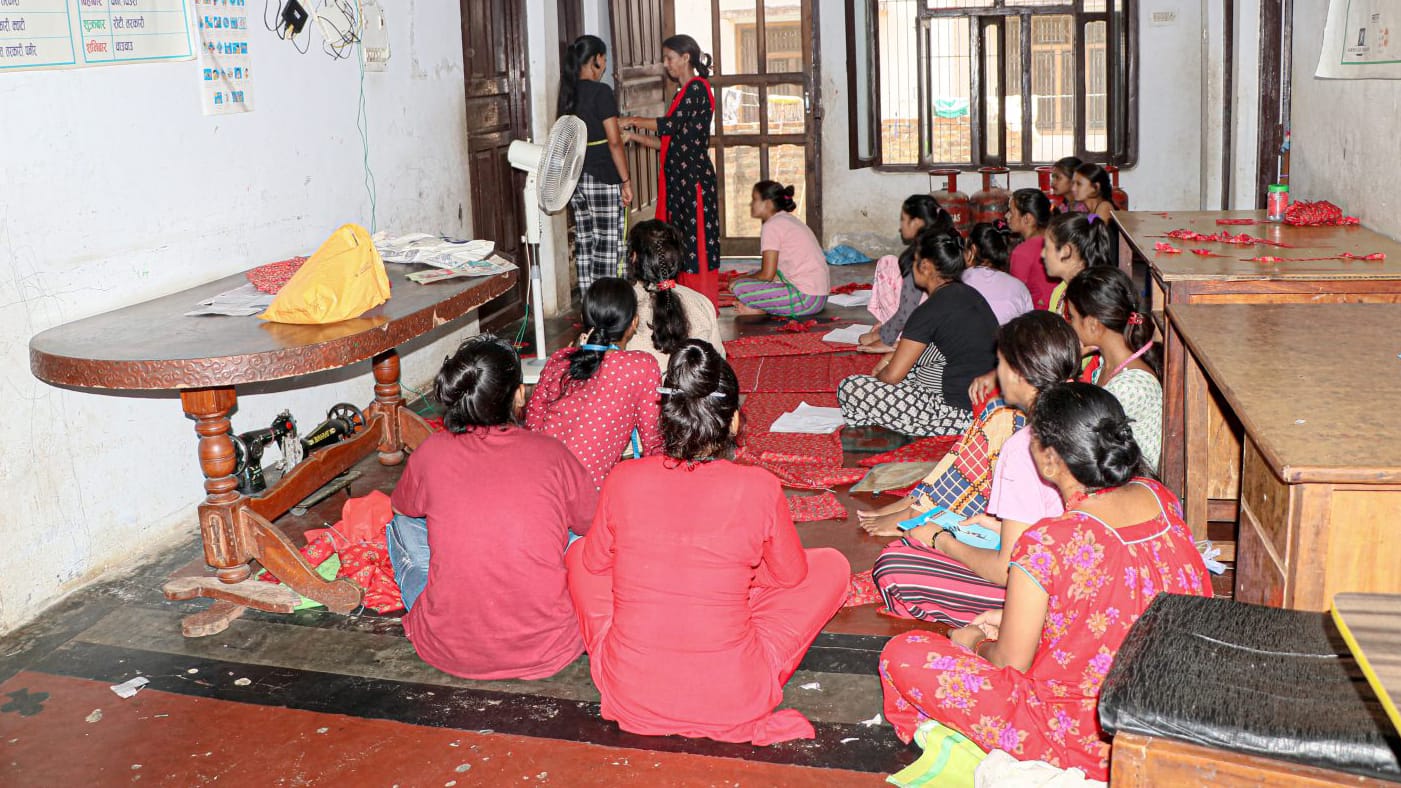


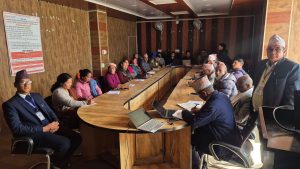
Ipas Nepal, in collaboration with SOSEC Nepal, Dullu Municipality, the Human Resource Development Centre (HRDC), and the Ministry of Social Development (MOSD), conducted Minimum Initial Service Package (MISP) training in Surkhet and Dailekh. This training strengthened sexual and reproductive health and rights (SRHR) services during emergencies and climate crisis situations.
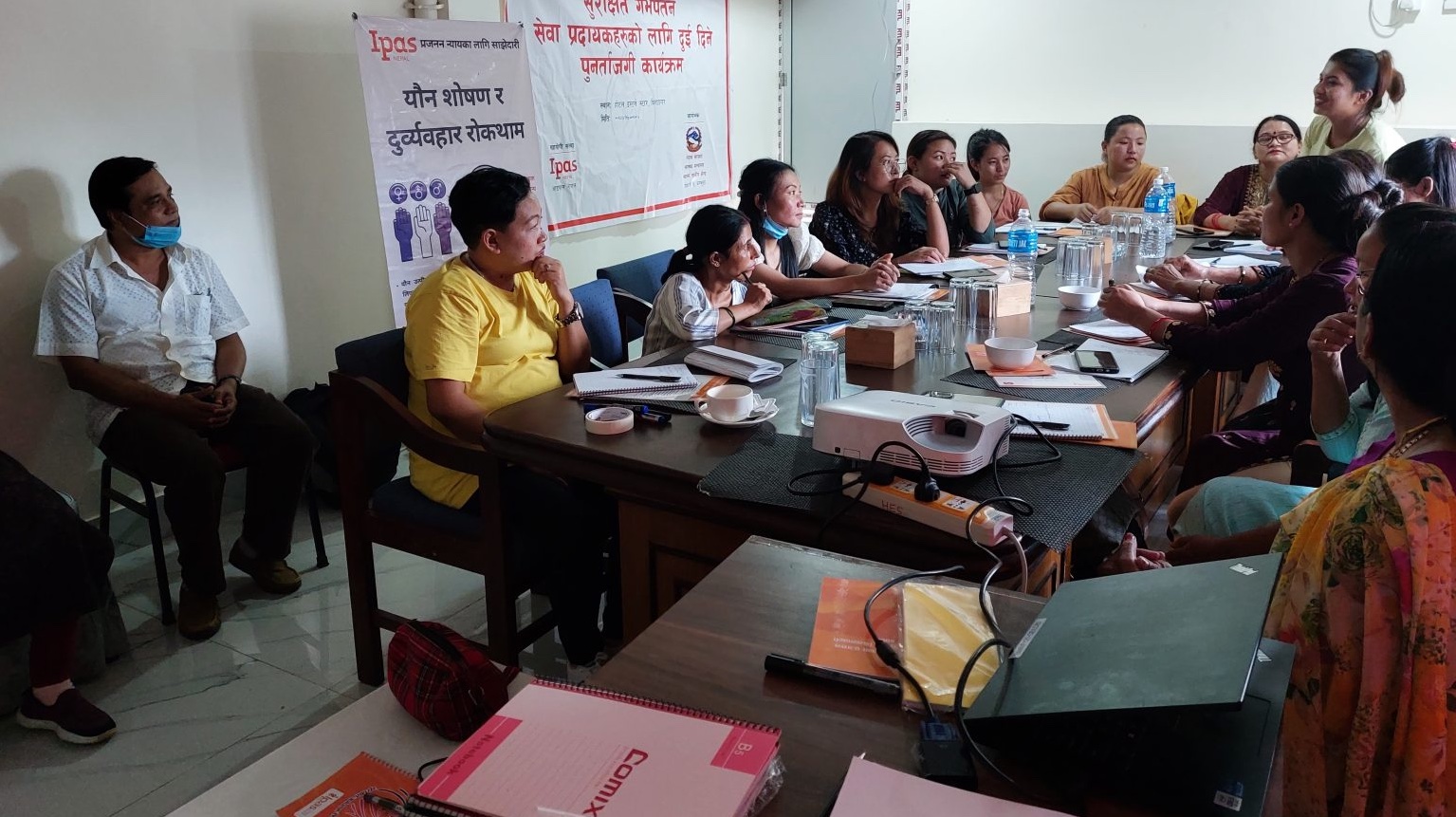
The first training was held from December 2-6, 2025, in Surkhet with a pre-training meeting on the first day, followed by four days of training. It included 47 participants, of whom 22 were mid-level providers/nurses, and three were elected/government officials. This training focused on enhancing the capacity of frontline health service providers and coordinators from Dullu Municipality, Dailekh, for effective emergency service delivery. The key contents delivered in the training were medical abortion, climate change, comprehensive sexuality education (CSE), contraception, legal and policy issues, quality improvement in health services, sexual and gender-based violence (SGBV), stigma reduction, and Values Clarification and Action Transformation (VCAT). Participants actively engaged in discussions, exercises, and action planning to ensure the training learnings could be effectively applied in their respective health facilities.
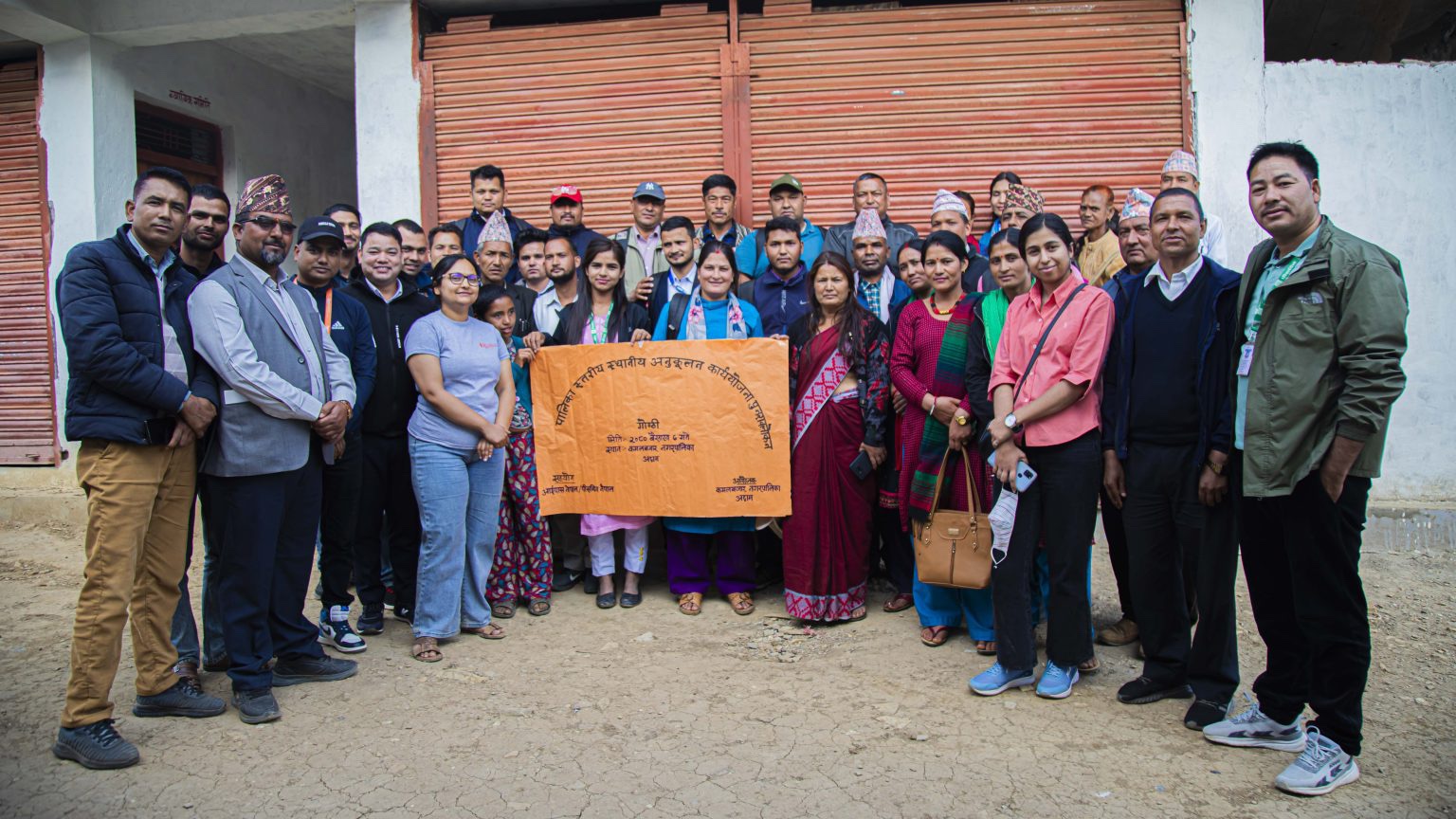
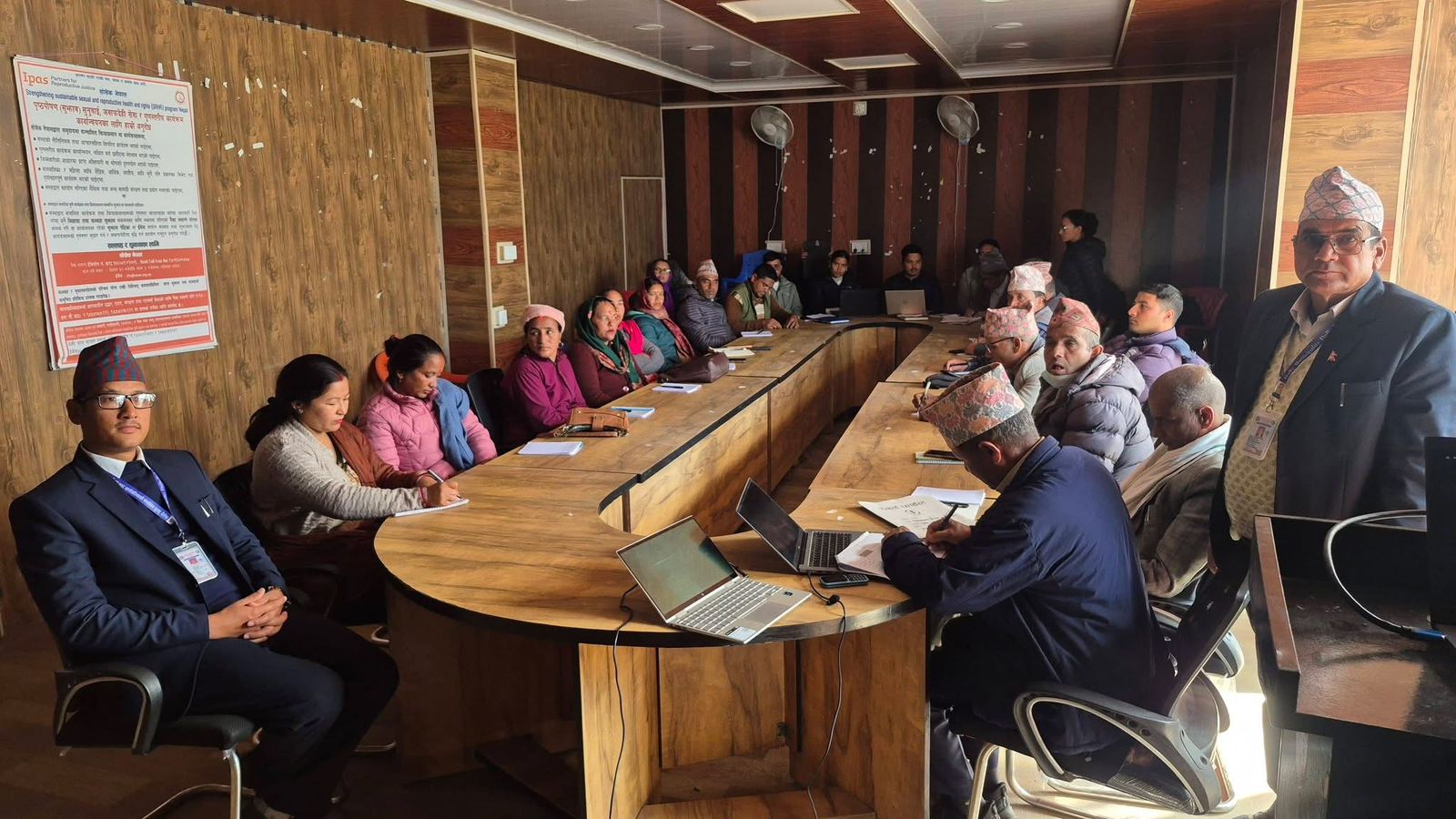
Following this, the second MISP training was conducted on December 22, 2025, in Dullu Municipality, Dailekh. A total of 42 participants attended the training, including 37 elected/government officials. This one-day training focuses on similar content to the first training. It emphasized how MISP can be applied in climate-affected areas. Five key sessions were held, including orientation to MISP, disaster management in Nepal, inclusion, sexual and gender-based violence (SGBV), and monitoring, supervision, and action plan development. Participants were guided to implement action plans in health facilities and wards, ensuring the effectiveness of stockpiling management and preparedness for SRHR service delivery during emergencies.
These MISP trainings were designed to focus on identifying SRH needs during emergencies, improving coordination, strengthening preparedness, and clarifying roles and responsibilities. The trainings helped build the capacity of elected/government officials and providers to deliver timely, quality SRHR services during a crisis.
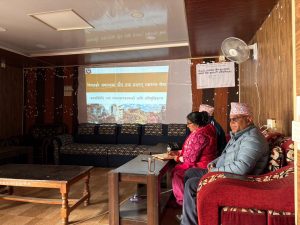
Both trainings achieved key milestones, including the establishment of health facilities and outreach clinics, the formation and training of Rapid Response Teams, the implementation of livelihood support programs, and the completion of MISP orientation and training. Community engagement through CART sessions and reflection activities continues, enhancing local preparedness.
Ipas Nepal and its partners have ensured communities and health facilities in Dailekh and Surkhet districts are better equipped to provide essential SRHR services during climate crises and humanitarian emergencies through these trainings.
Supported by Foundation S as part of ongoing efforts to “Strengthening Climate Resilient Health System in Rural Nepal.”