

Chhedagad, Jajarkot | May 2026
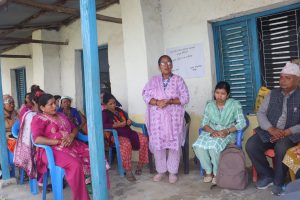
To enhance economic resilience and support sustainable livelihoods in disaster-prone communities, livelihood support activities were implemented in Chhedagad Municipality under the Livelihood Improvement Plan (LIP). The initiative targeted climate-vulnerable households in Ward No. 4 and Ward No. 6, focusing on strengthening income-generating opportunities for families most at risk of climate-induced shocks and economic hardship.
Targeting Vulnerable Households
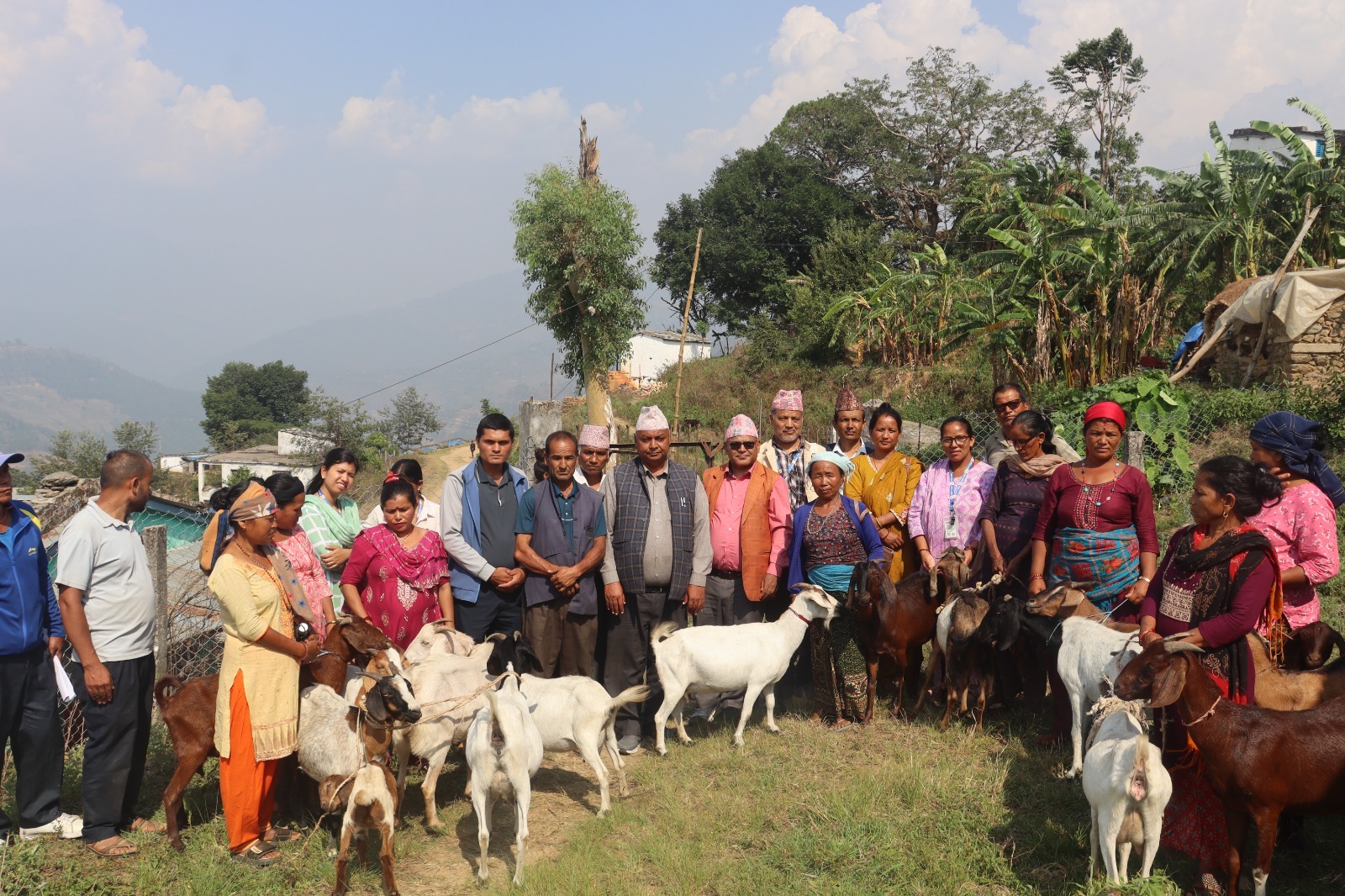
Based on recommendations from local authorities, 21 vulnerable households from disaster-prone areas were identified and selected as beneficiaries. These households were prioritized due to their exposure to environmental risks and limited access to stable income sources, making livelihood diversification essential for their long-term resilience.
Building Skills for Sustainable Livelihoods
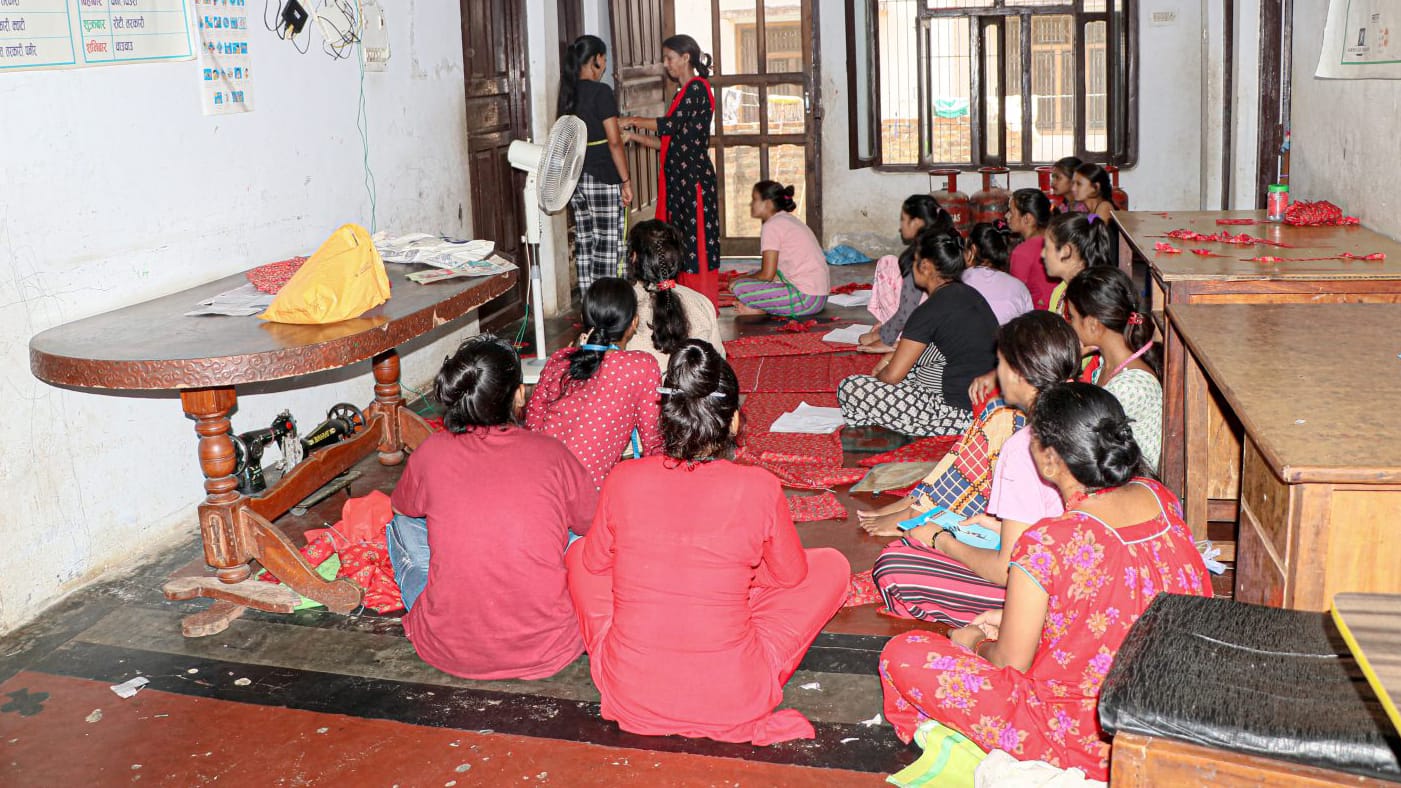
The selected beneficiaries participated in goat farming training, where they gained practical knowledge and hands-on skills in key areas, including:
- Goat housing and shed management
- Feeding and nutrition practices
- Breeding techniques
- Disease prevention and vaccination
- Basic market strategies
Fo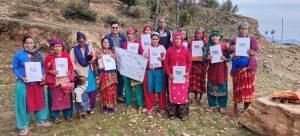 llowing the training, each household received LIP seed money support to establish or expand goat farming activities.
The initiative supported 21 households in successfully completing goat farming training under the Livelihood Improvement Plan (LIP), equipping participants with practical knowledge and skills in improved goat rearing and livestock management. Following the training, all beneficiaries received seed funding to establish or expand livestock-based enterprises, creating new opportunities for sustainable income generation and economic participation. By strengthening livestock ownership as a productive asset, the initiative enhanced access to livelihood opportunities for vulnerable families while laying the foundation for long-term economic resilience.
The intervention has contributed to positive changes at the household level. Beneficiaries have begun applying improved livestock management practices and expanding income-generating activities through goat rearing. These efforts are expected to increase household income and financial security while contributing to improved food and nutrition security through access to livestock products. By diversifying livelihoods and strengthening economic assets, the initiative has also enhanced the capacity of participating families to withstand and recover from future climate-induced shocks and disasters, supporting broader community resilience and sustainable development.
Strengthening Resilience Through Livelihoods
By combining capacity-building with financial support, the intervention has helped vulnerable households transition toward more resilient and self-sustaining livelihoods.The initiative demonstrates how targeted livelihood programs can reduce vulnerability, promote self-employment, and support long-term community resilience in disaster-prone areas.
Supported by Foundation S as part of ongoing efforts to “Strengthening Climate Resilient Health System in Rural Nepal.”