

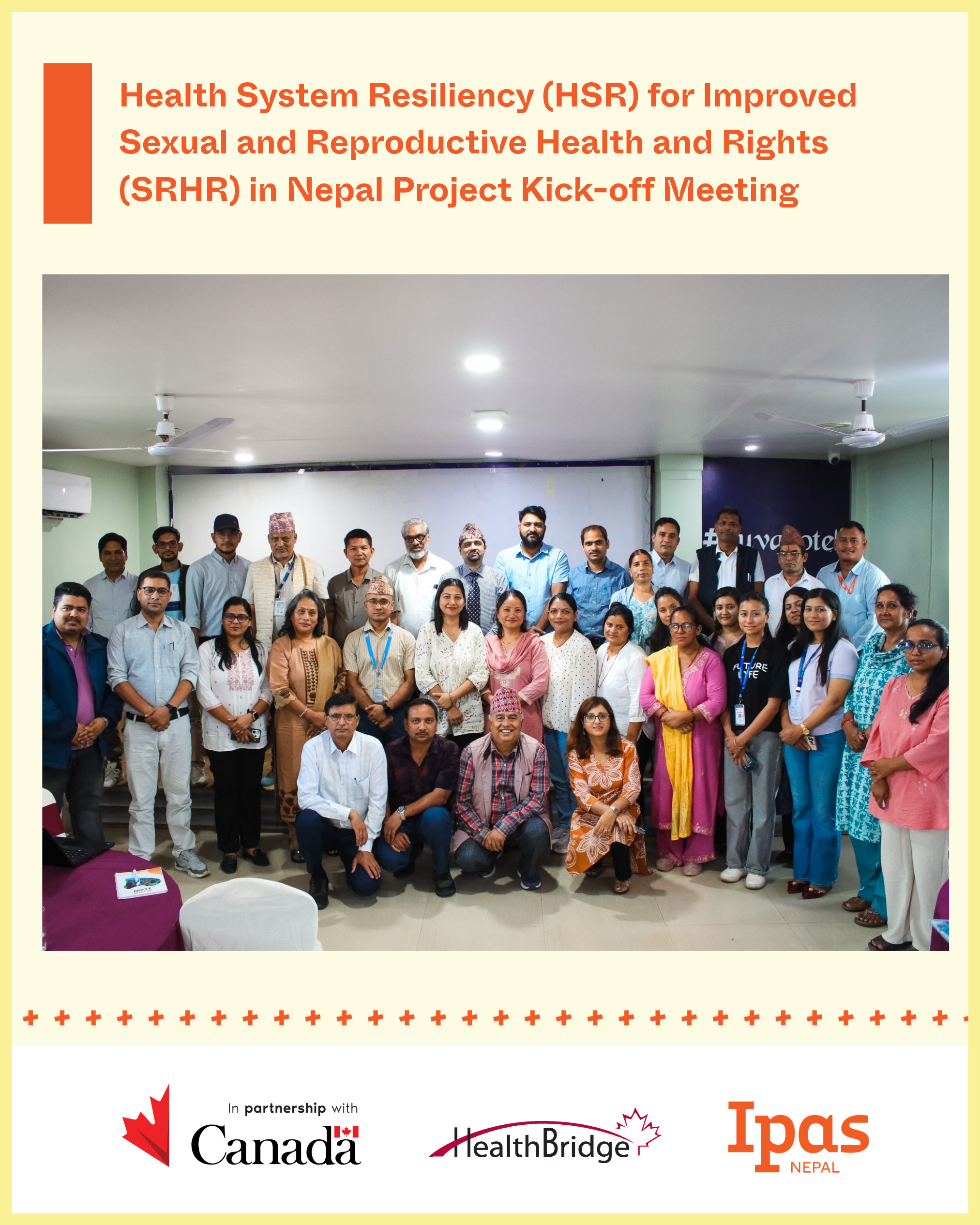
Health System Resiliency (HSR) for Improved Sexual and Reproductive Health and Rights (SRHR) in Nepal Project Kick-off Meeting
Surkhet, Karnali Province | 26 June 2026
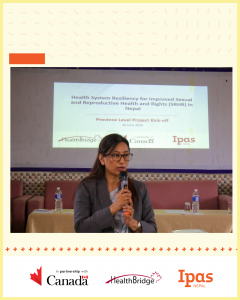
Ipas Nepal successfully organized the Kick-off Meeting of Health System Resiliency for Improved Sexual and Reproductive Health and Rights in Nepal (HSR) Project in Surkhet, Karnali Province. The HSR project is supported by Global Affairs Canada (GAC) and Health Bridge and is implemented in Nepal, Bangladesh, and Vietnam. In recognition of the social and structural determinants of health, the project aims to implement the AAAQ framework, which is availability, accessibility, acceptability, and high-quality, comprehensive SRH services that are gender-responsive and adhere to the AAAQ framework and high quality in 15 rural/municipalities of Karnali Province of Nepal.
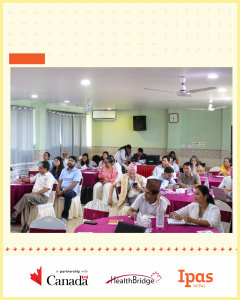
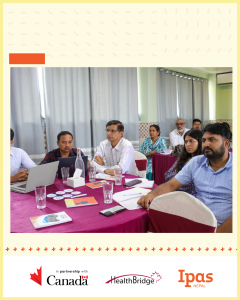
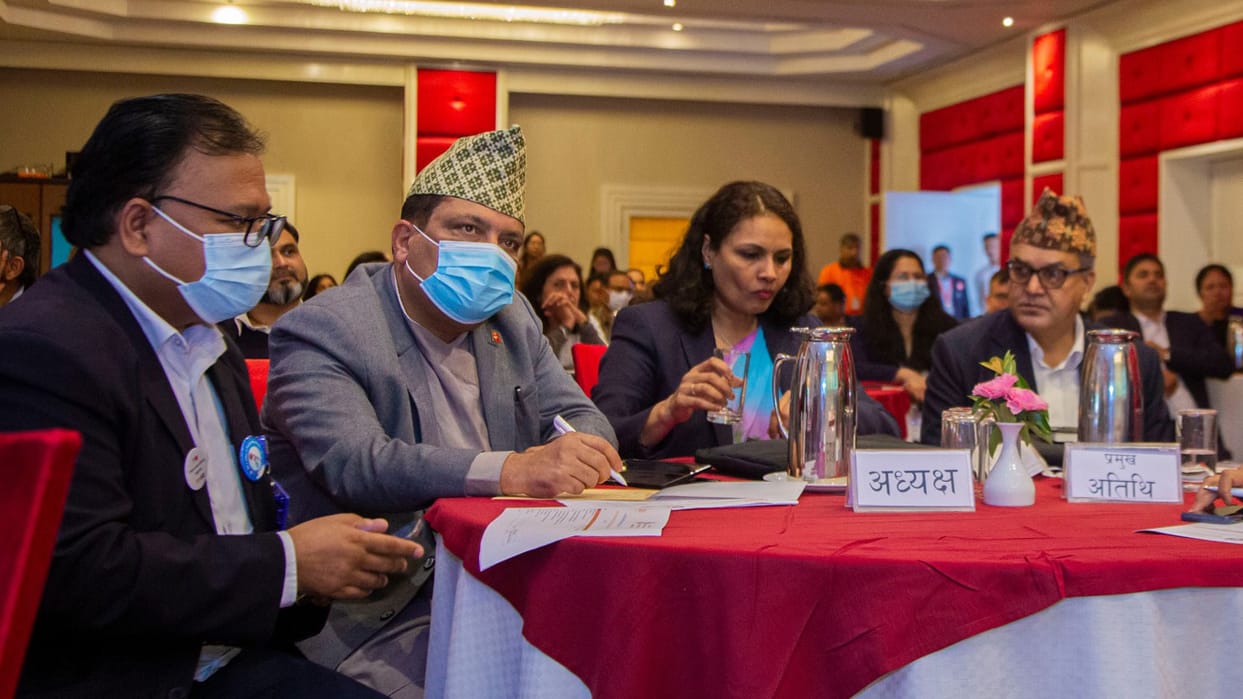
The kick-off event brought together 37 key government stakeholders from the Ministry of Social Development (MoSD), Health Service Directorate (HSD), District Health Service Offices (DHSOs), Provincial Hospital, Birendranagar Municipality, the Forestry and Environment Office, Training Center, and representatives from five partner NGOs to launch the project and strengthen collaboration for its effective implementation in Karnali Province.
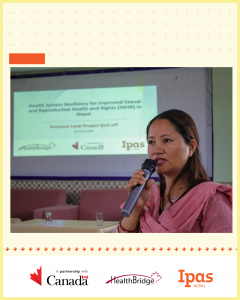
Hon. Ghanshyam Bhandari, Minister, MOSD attended as Chief Guest, Ms. Roshani Shrestha Provincial Secretary, MOSD joined as Special Guest; and other distinguished guests included Mr. Brish Bahadur Shahi, Chief of the Health Division, MOSD, and Dr. Yujan Balla, Acting Director, Provincial Hospital, Karnali Province. The event was chaired by Ms. Man Kumari Gurung, Acting Director of the Health Service Directorate, Karnali Province, and facilitated by Ms. Chandra Acharya. The chief guest, Honorable Minister Ghansyam Bhandari, highlighted that women and girls are dying in Karnali Province due to limited access to SRH services, including safe abortion, which is leading to maternal mortality. He suggested that this project could be further expanded to all districts of Karnali Province to expand SRH services. Furthermore, Ms. Roshani Shrestha acknowledged the low SRH indicator in the Karnali Province and emphasized the importance of strengthening health system resiliency, which this project contributes to.
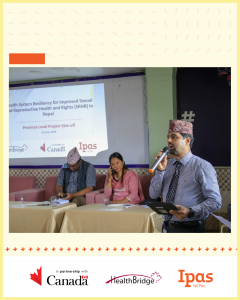
During the kick-off meeting, Mr. Jagadishwor Ghimire, Country Director of Ipas Nepal, highlighted the objectives, implementation modality, andstrategic approach of the HSR Project in the selected districts of Karnali Province. Mr. Madhav Dhakal, Head of Partnership and Field Operations, presented the project’s key components and shared progress, lessons learned, and challenges from ongoing SRHR interventions in the province. Similarly, he also highlighted the objectives, implementation modality, and strategic approach of the HSR Project in the selected rural/municipalities of Karnali Province.
The HSR Project aims to contribute to stronger and more resilient health systems that ensure women, adolescents, and children have access to quality, gender-responsive, and adolescent-friendly sexual and reproductive health services. The project will address poor health outcomes of women, adolescents, and children along the continuum of comprehensive, integrated SRHR services. These services include family planning and contraception care, safe abortion services, post-abortion care, as well as antenatal, maternal, and infant care and nutrition. The project also addresses underlying determinants of SRHR, such as gender equality, SGBV, women’s agency and access to rights-based comprehensive sexuality education (CSE).
In recognition of the social and structural determinants of health, the project has adopted a three-pronged approach to improving the SRHR and nutrition outcomes among the targeted rights-holders. The first prong focuses on the availability and use of comprehensive SRH services that are gender-responsive and adhere to the AAAQ framework, that is, services are available, accessible, acceptable, and of high quality. This component involves strengthening the capacity of health workers, including their clinical skills to provide services, as well as addressing health workers’ attitudes and stigma that act as barriers to respectful care. This component also focuses on health facilities and strengthening their capacity to provide care, including record-keeping and reporting mechanisms, availability of necessary equipment and supplies, and adequate facilities for WASH and waste management practices