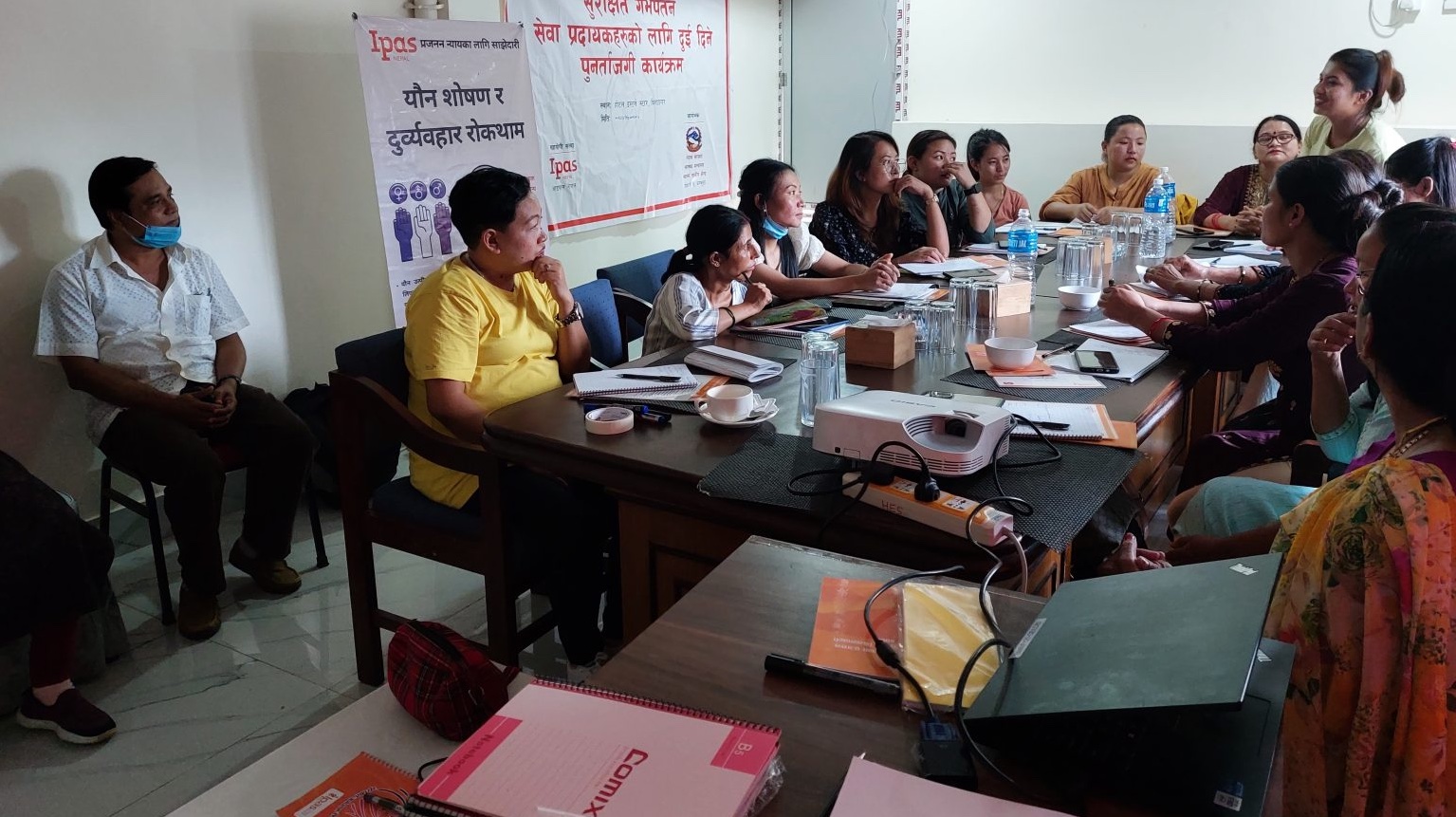

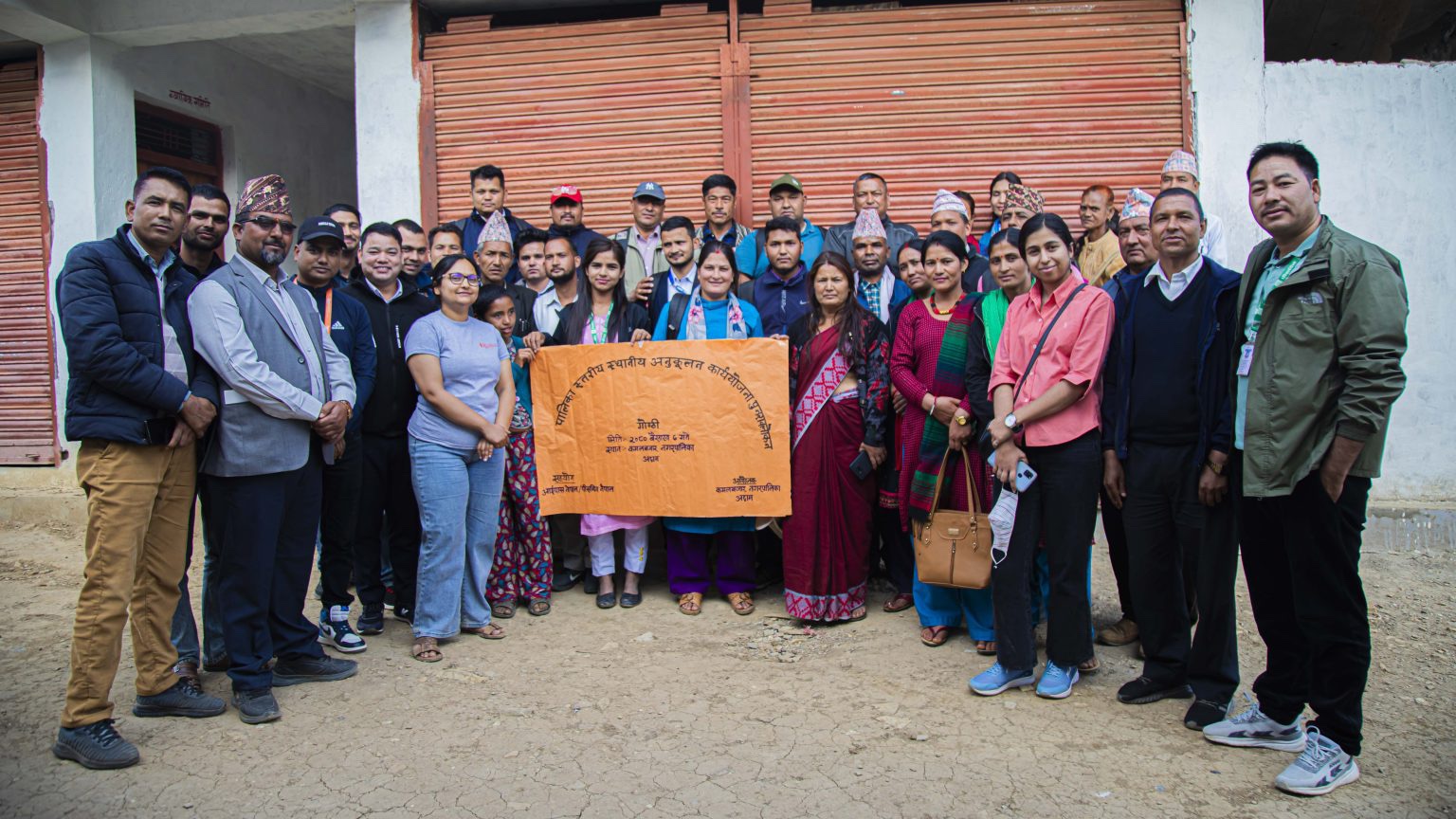


Chhedagad Municipality | 6–7 April 2026
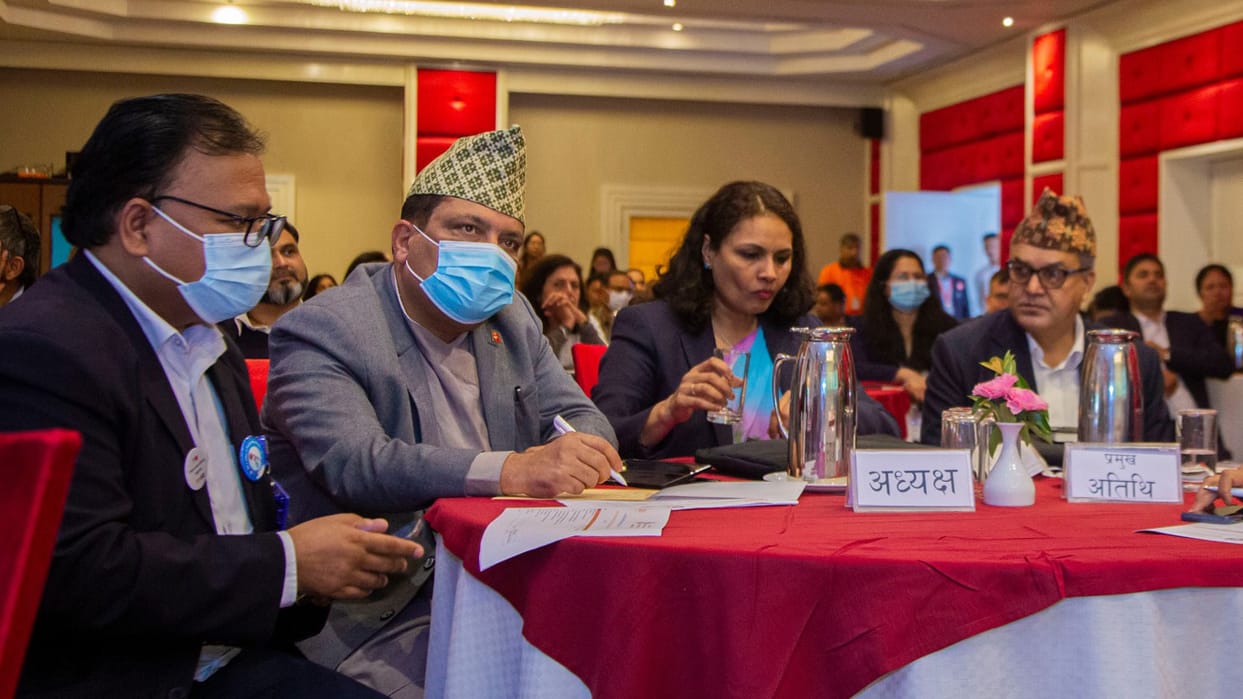
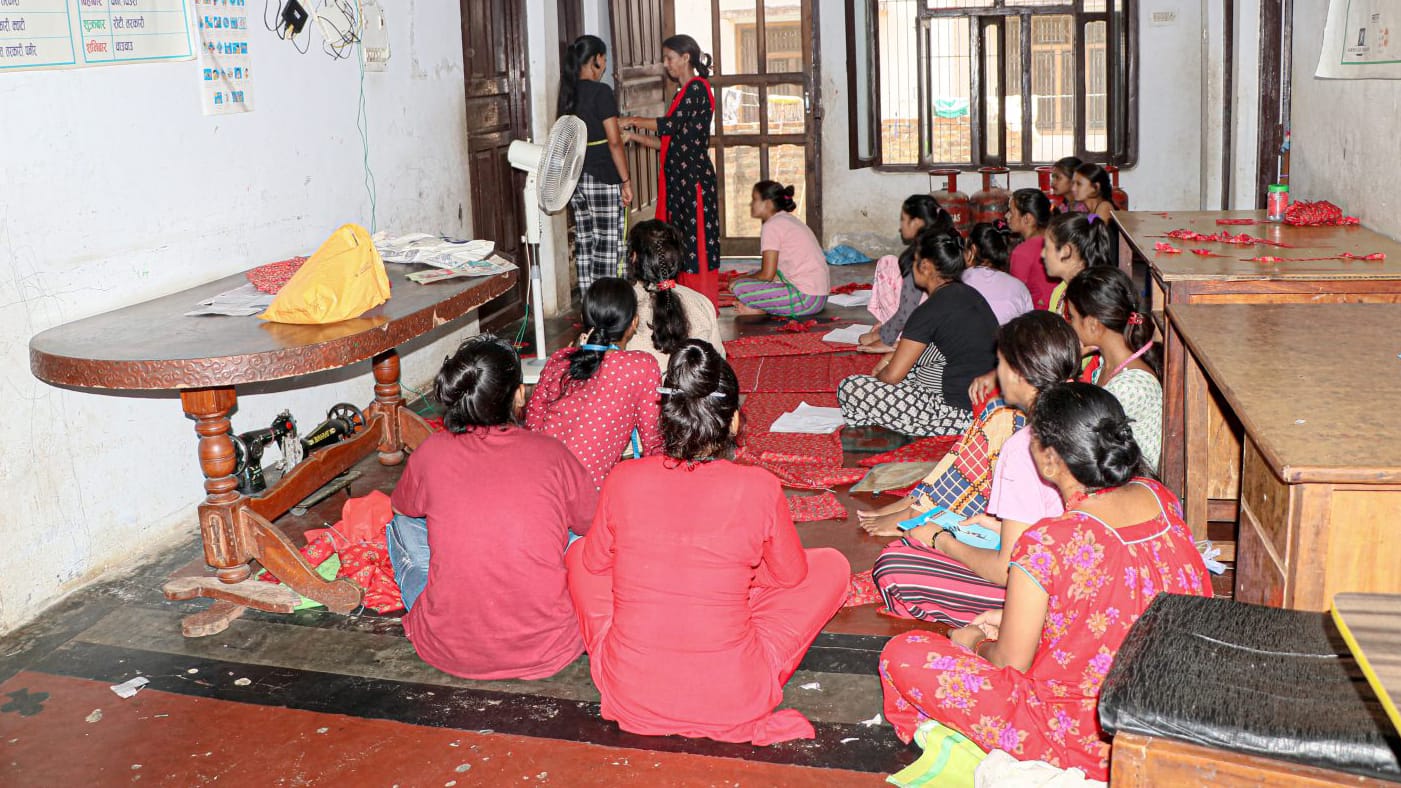
A two-day Comprehensive Health Camp was successfully conducted in disaster-prone wards (3, 4, 5, 6, 8, and 9) of Chhedagad Municipality, significantly improving access to essential health services for women, vulnerable populations, and underserved communities.
The outreach was implemented through a multidisciplinary team comprising an obstetrician/gynecologist, MDGP, and health workers from local health facilities, ensuring the delivery of both general and specialized care.
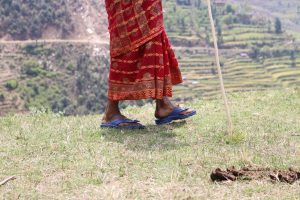 Reaching Underserved Communities
The health camp was conducted across two locations:
- Day 1 (Nagar Hospital): 602 clients served (500 females, 102 males)
- Day 2 (Pajaru Kha Health Post): 297 clients served (253 females, 44 males)
In total, 899 individuals benefitted from the services, with women representing 84% of all clients—highlighting strong utilization among those most in need.
Comprehensive Ser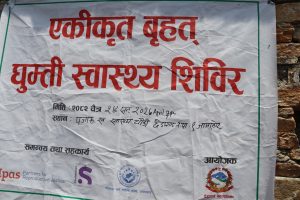 vice Delivery
The health camp generated significant improvements in both access and quality of care: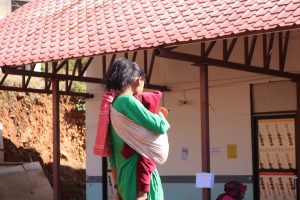
- Improved access to essential and specialized health services in remote and disaster-affected communities
- Increased utilization of reproductive and general health services, particularly among women
- Early detection and timely referral of complex conditions, reducing the risk of preventable complications
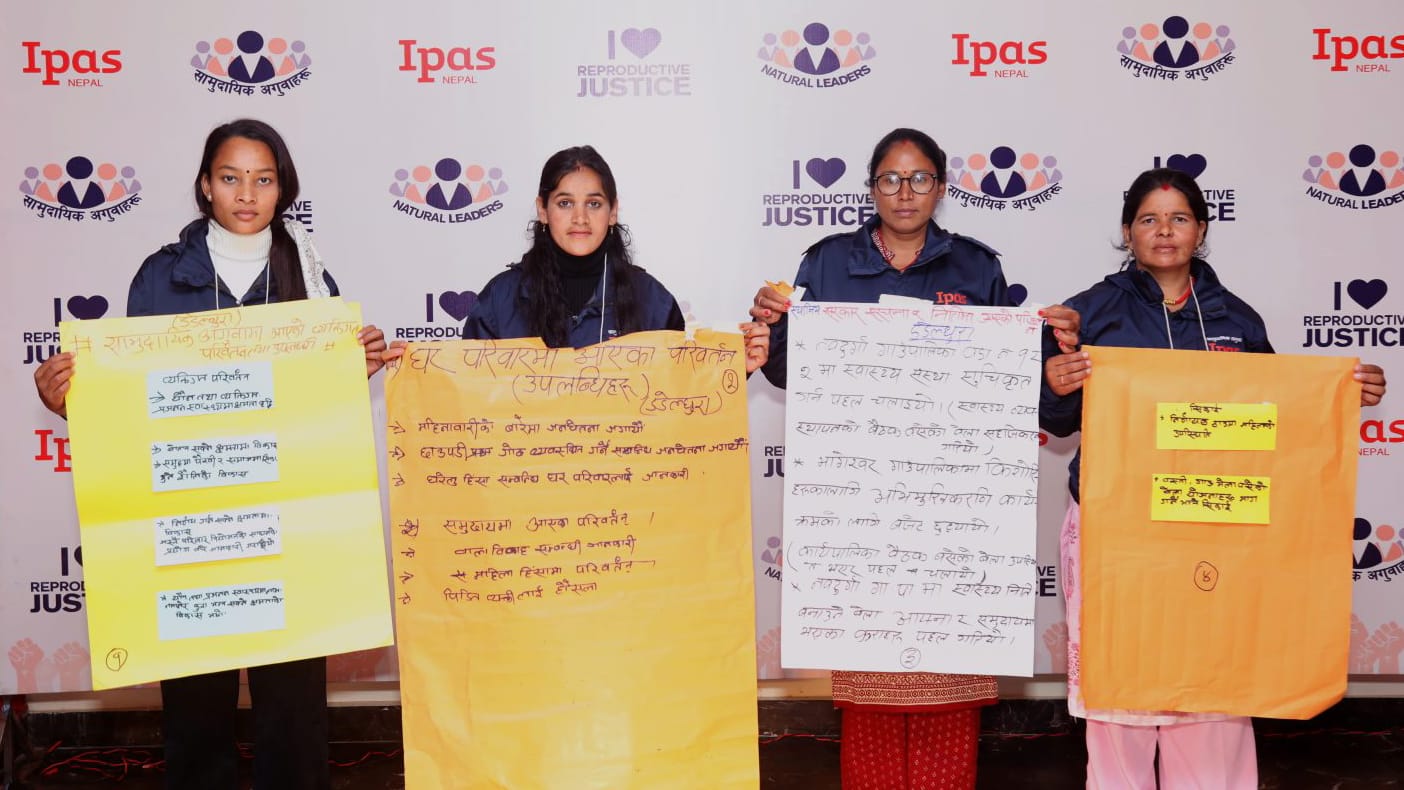
- Improved community awareness of health, hygiene, and reproductive health through counseling and education
A total of 20 clients requiring specialized care were successfully referred and received appropriate treatment.
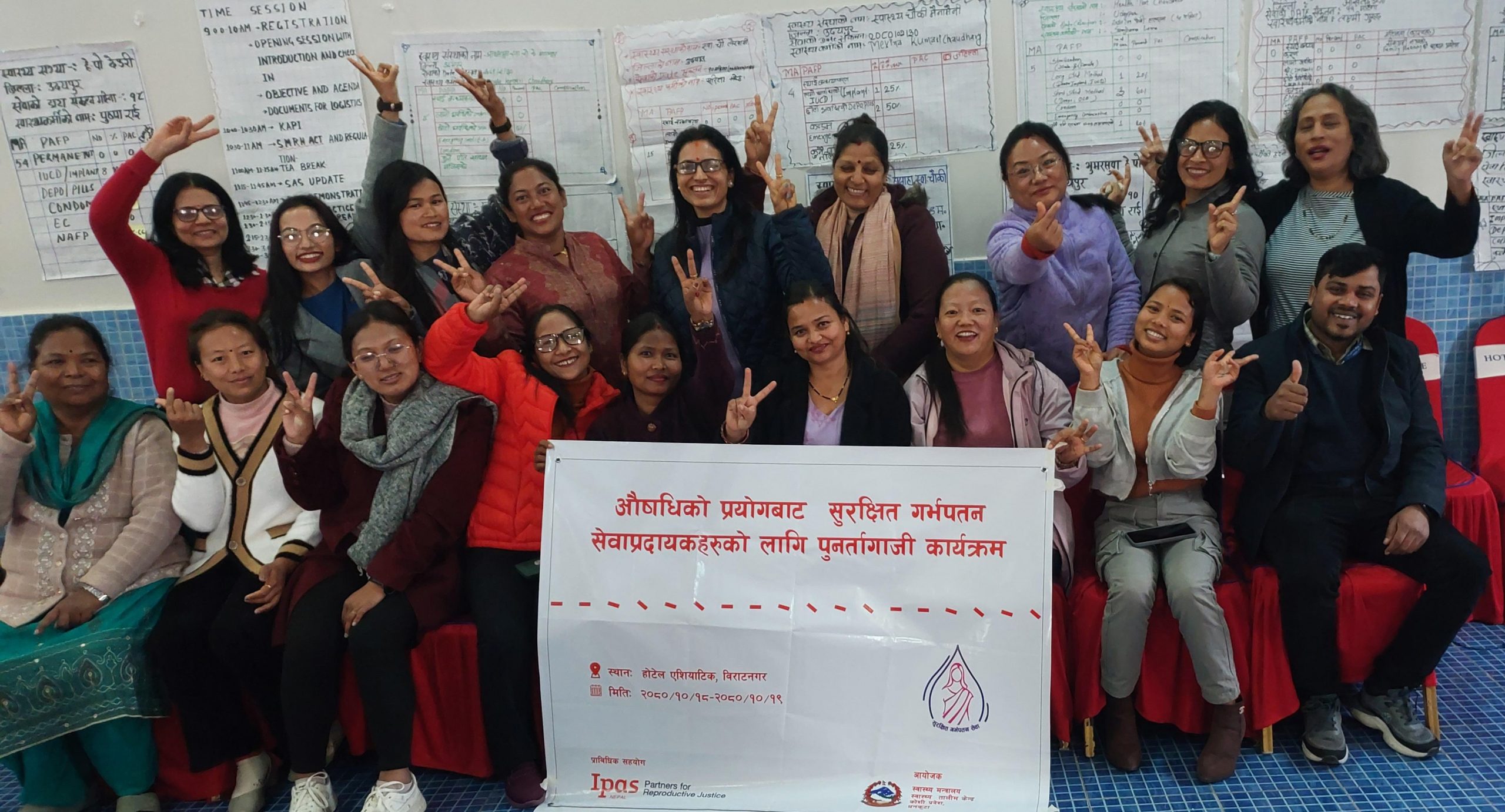
The initiative also strengthened coordination among local government, provincial hospitals, health facilities, and partner organizations. Importantly, the health camp reinforced positive health-seeking behaviors and showcased how targeted outreach can expand access to quality reproductive and general health services in underserved settings.
Through comprehensive service delivery, early screening, and effective referral mechanisms, the reproductive health camp addressed critical healthcare needs and expanded access to quality care for women and families. 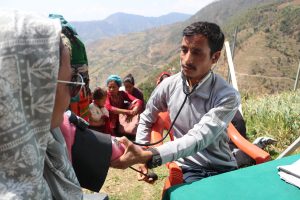
Supported by Foundation S as part of ongoing efforts to “Strengthening Climate Resilient Health System in Rural Nepal.”