
Empowering Change through Evidence-Based Advocacy
Ipas stores activity-level data and service data on TERRA, a secure, cloud-based system. This system enables us to monitor safe abortion programs, post-abortion family planning, and family planning method uptake, as well as the performance of health facilities at the grassroots level. Embracing a culture of data usage, we leverage this information to shape effective strategies. In addition to regular monitoring data, Ipas Nepal takes research seriously.
Our high-quality research on abortion and family planning bolsters the foundation of evidence-based programming. Through our findings, Ipas Nepal aims to inform and shape policies that positively impact the lives of many. Ipas Nepal believes in collaboration and transparency. We regularly share research findings with government officials and stakeholders at national and sub-national levels. Through presentations, research briefs, conferences, and scientific journals, we foster an environment where research insights fuel transformative change.

Approach

Key Performance Indicator (KPI) Tracking:
Ipas Nepal defines specific KPIs and measurable objectives for its project and program and regularly track and analyze these indicators to gauge progress and identify areas that require adjustment.

Most significant changes:
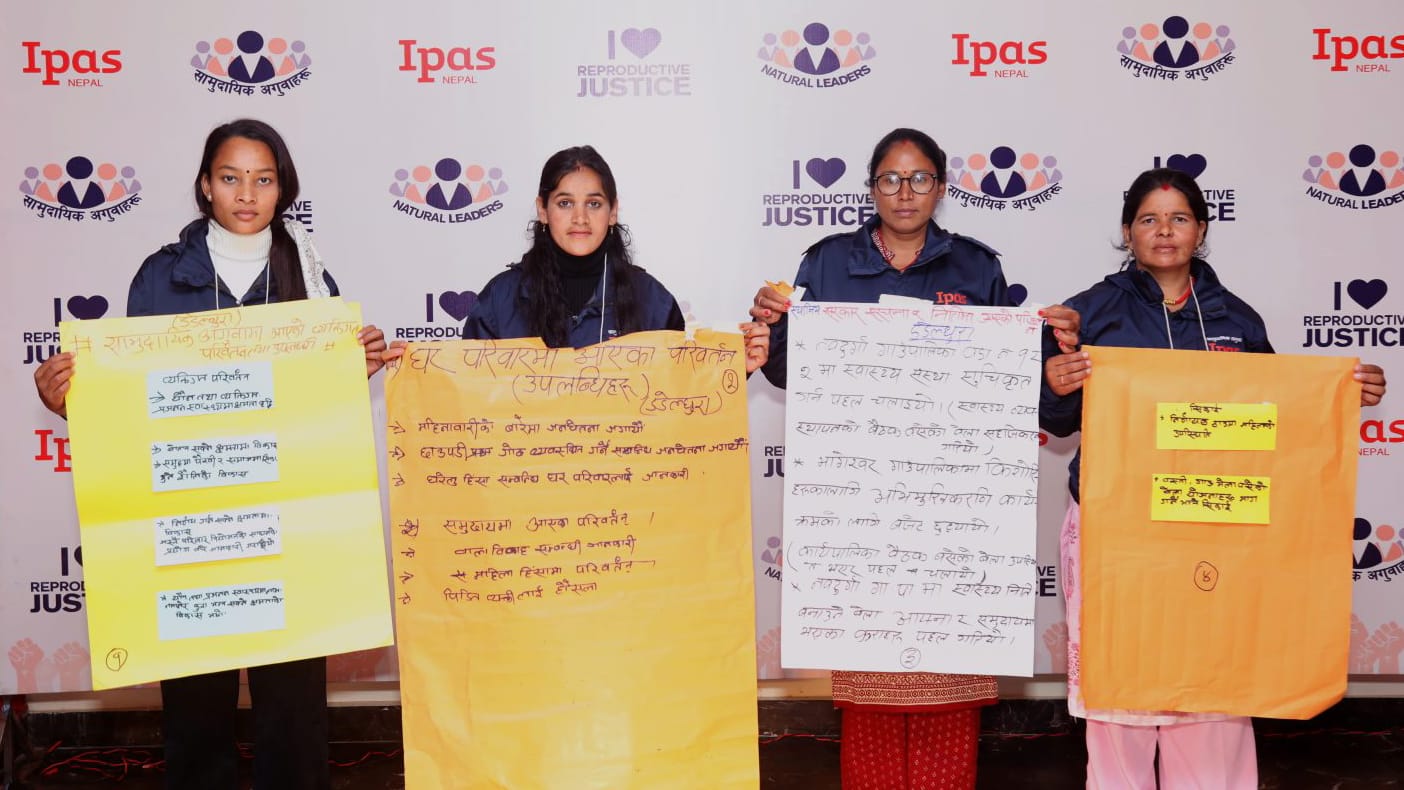
Ipas Nepal conducts qualitative assessments to determine and document the outcome of the project to develop case studies, case stories using Most significant Changes approach.

Outcome Harvesting:
An evaluation approach that captures evidence of changes, or “outcomes,” and retrospectively assesses how an intervention contributed to these changes. It’s particularly valuable in complex situations where precise intervention goals are hard to define or predict. Outcomes encompass shifts in behaviors, from actions to policies, among social actors influenced by the intervention. Unlike traditional evaluation methods, Outcome Harvesting doesn’t focus on predetermined objectives but rather on evidence of real-world change, whether positive or negative, intended, or unintended. The key is establishing a plausible connection between the intervention and observed outcomes.
Routine Data Quality Assessment:
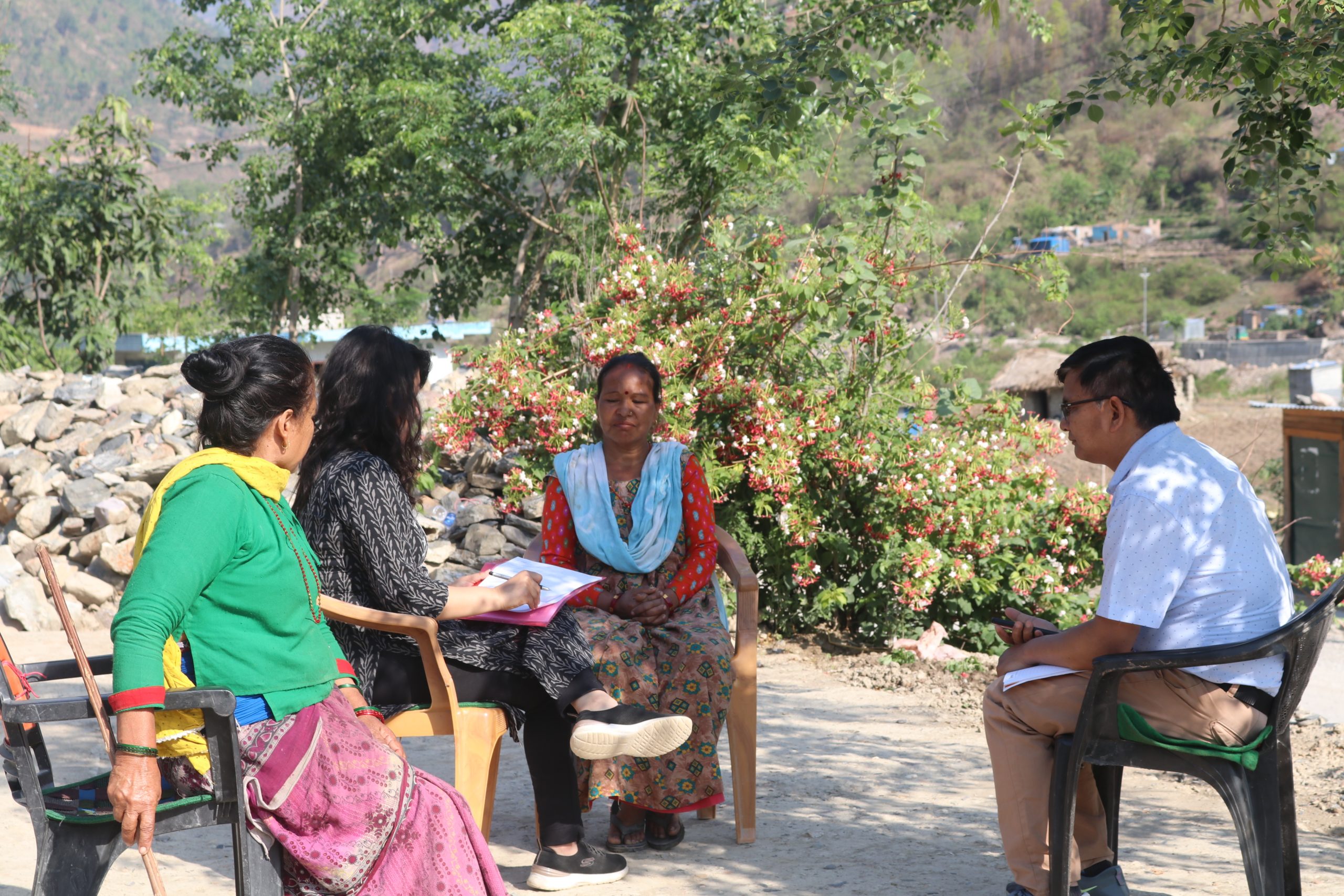
Ipas Nepal regularly conducts data audits/assessments and quality checks by using the RDQA tool to ensure the accuracy, completeness, and consistency of the collected data. Compare collected data against predefined quality standards and protocols. Identify and address data discrepancies and errors promptly.

Research and evidence generation
Use a combination of quantitative and qualitative data collection methods, such as surveys, interviews, focus groups, pre-test/post-test questionnaires, KAPI, monitoring checklist, and observations, to gather information to generate evidence on climate justice, safe abortion, Gender Based Violence and measure the impact of our interventions. The evidence and data supports strategic directions and policy advocacy.
Resources
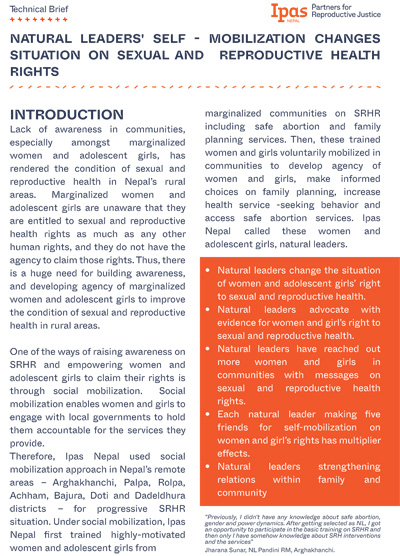
Lack of awareness in communities, especially amongst marginalized women and adolescent girls, has rendered the condition of sexual and reproductive health in Nepal’s rural areas…
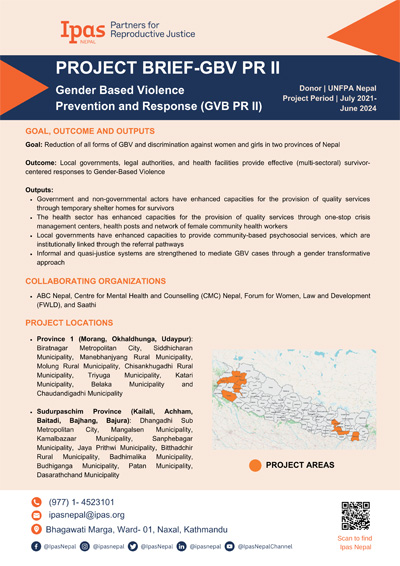
लक्ष्य: नेपालका दुई प्रदेशमा महिला तथा बालिकाहरू विरुद्ध हुने सबै प्रकारका GBV र भेदभाव न्यूनीकरण…
Goal: Reduction of all forms of GBV and discrimination against women and girls in two provinces of Nepal…
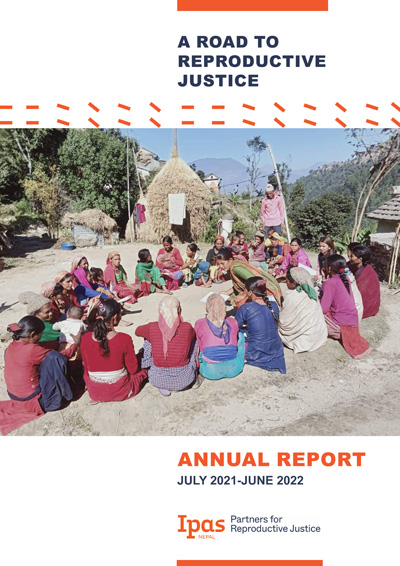
Despite the huge challenges posed by the COVID-19 pandemic, Ipas Nepal managed to achieve some incredible results in sexual and reproductive health and rights (SRHR)…
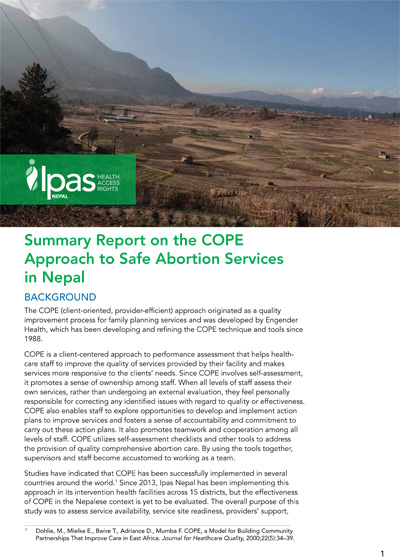
The COPE (client-oriented, provider-efficient) approach originated as a quality improvement process for family planning services and was developed by Engender Health, which has been developing and refining the COPE technique and tools since 1988.
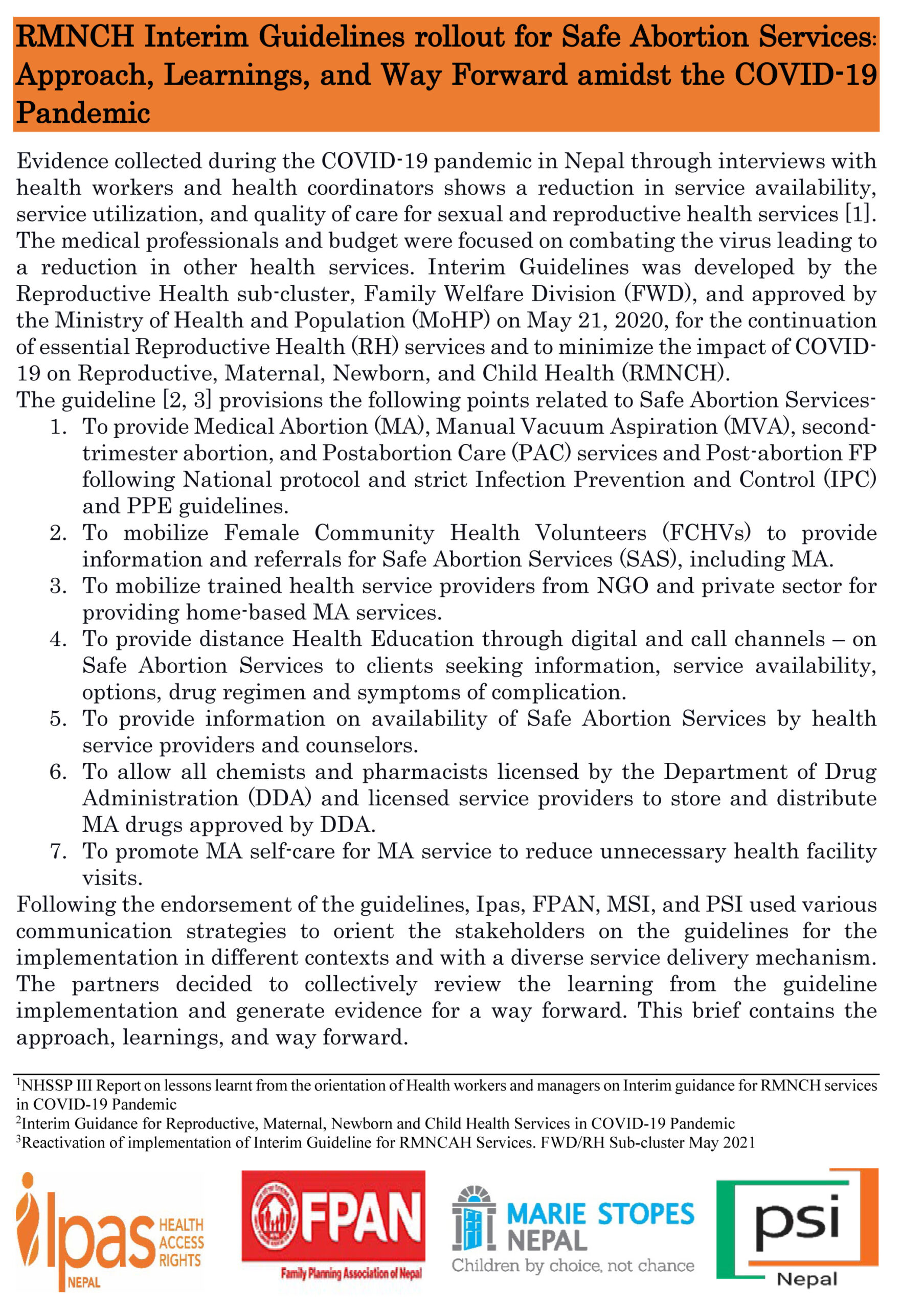
Evidence collected during the COVID-19 pandemic in Nepal through interviews with health workers and health coordinators shows a reduction in service availability, service utilization, and quality of care for sexual and reproductive health services
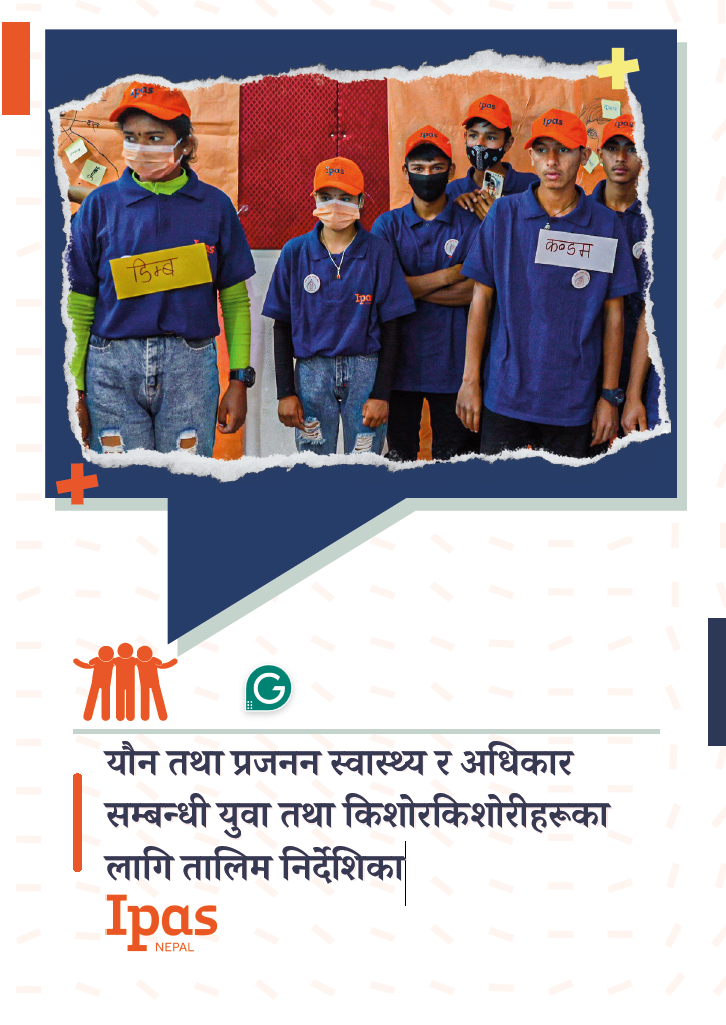
Training Guidelines for Youth and Adolescents on Sexual and Reproductive Health and Rights…
Ipas Nepal works to enhance access to safe abortion and contraception so that every Nepali woman and girl can determine her own future.
Increased utilization of health services may not necessarily improve health outcomes unless the services are characterized by excellence in delivery along with other benchmarks for good quality.