

Creating an enabling environment in combating gender-based violence
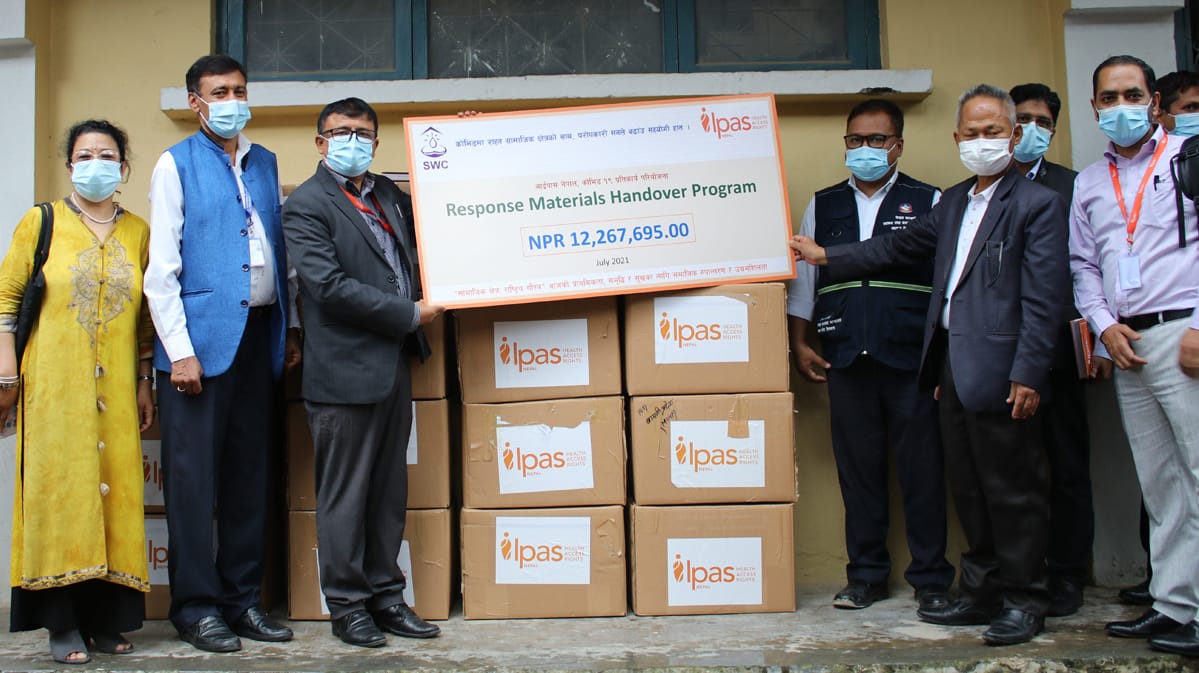
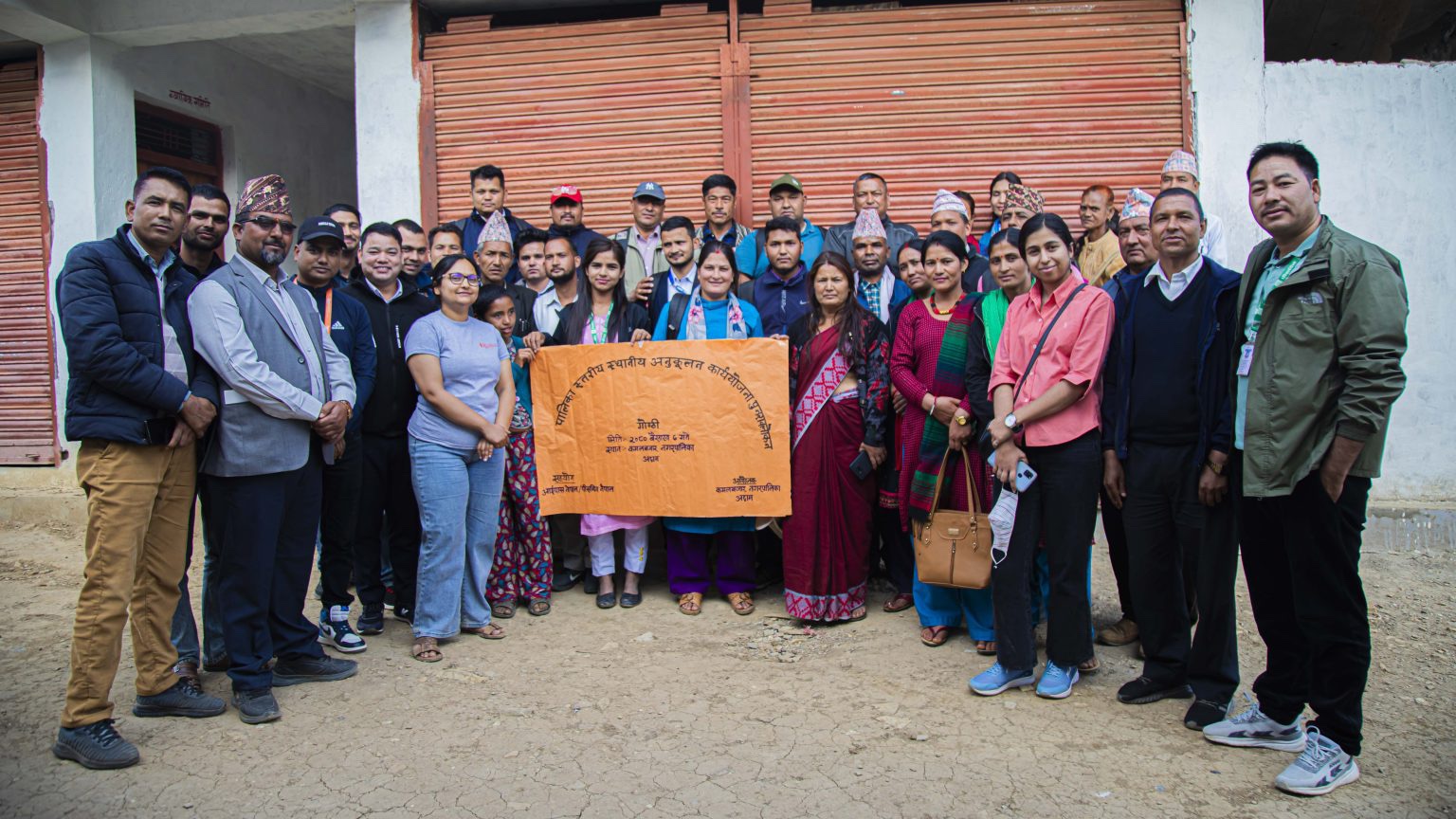
The objective of Gender Based Violence Prevention and Response-II project aims to reduce all forms of gender-based violence and discrimination against women and girls in two provinces (Province 1 and Sudurpashchim Province) in Nepal. Ipas Nepal as a response consortium lead works closely with the local governments, legal authorities, and health facilities to provide effective (multi-sectoral) survivor-centered responses to GBV.
Key Activities


Survivor-centered quality services through temporary shelter homes:
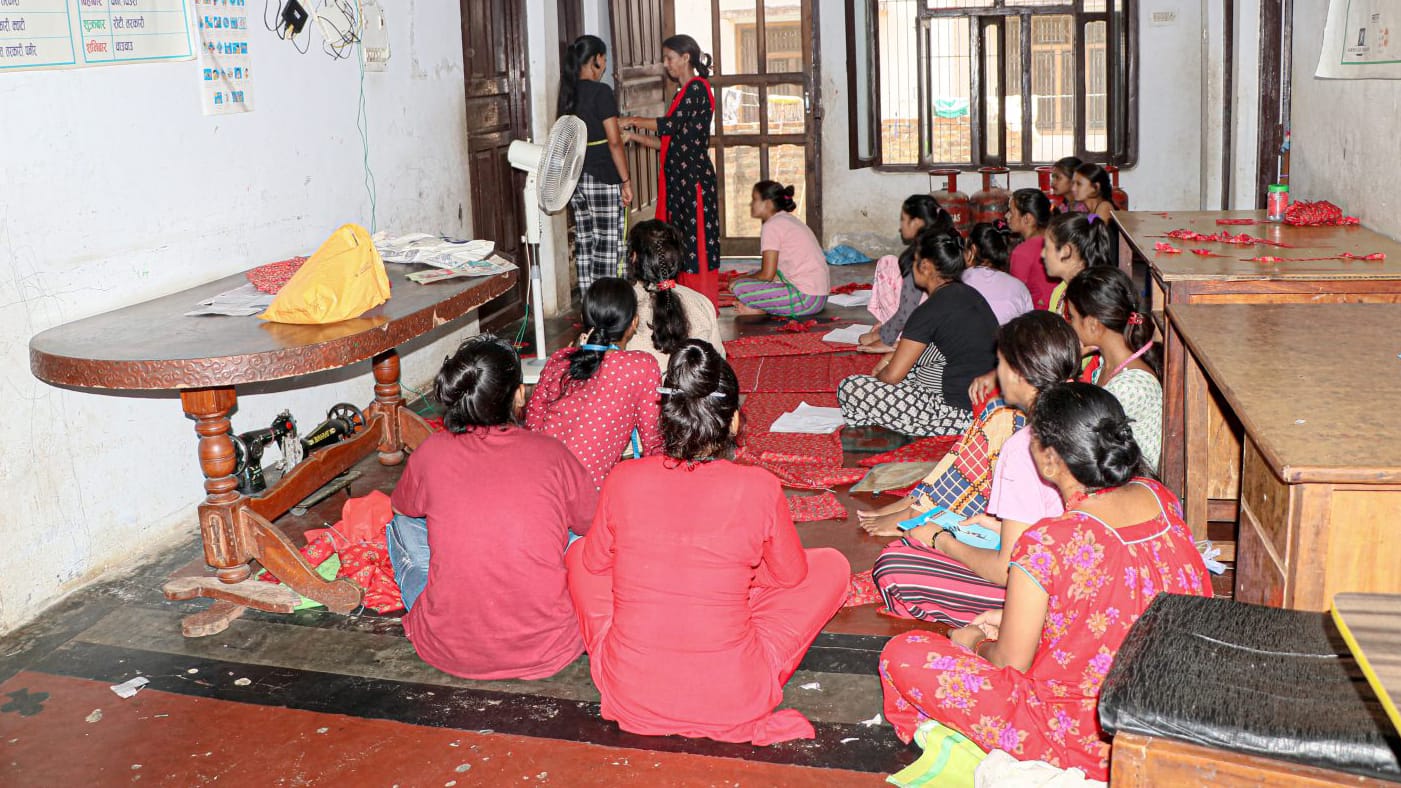
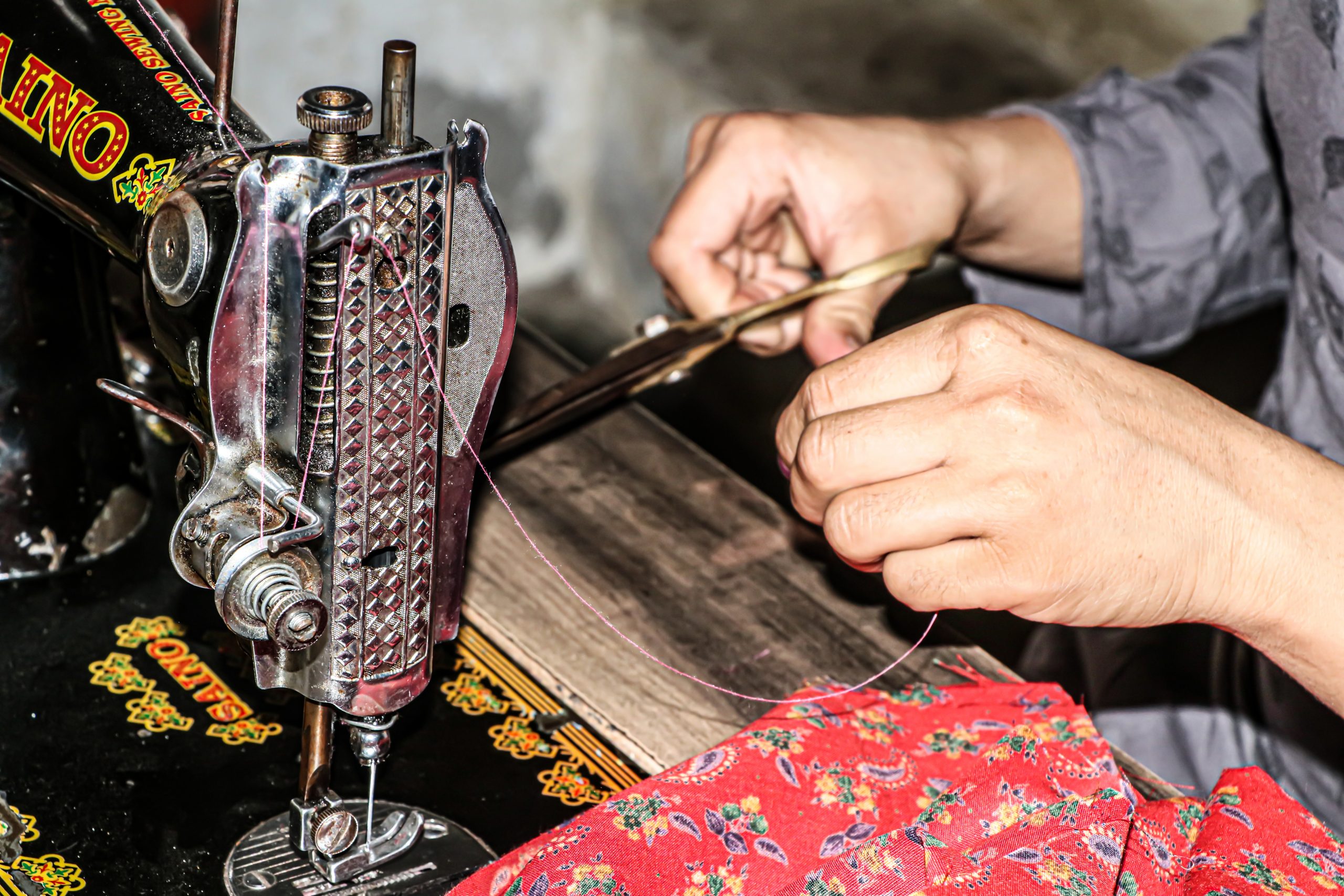
Provide technical assistance and support to safe house, shelter home to provide gender transformative services through survivor-centric approach. For efficient operation of safe houses and shelter homes, staff are capacitated on administrative data collection and management; for rehabilitation and self-dependence, GBV survivors receive life skills and vocational training.
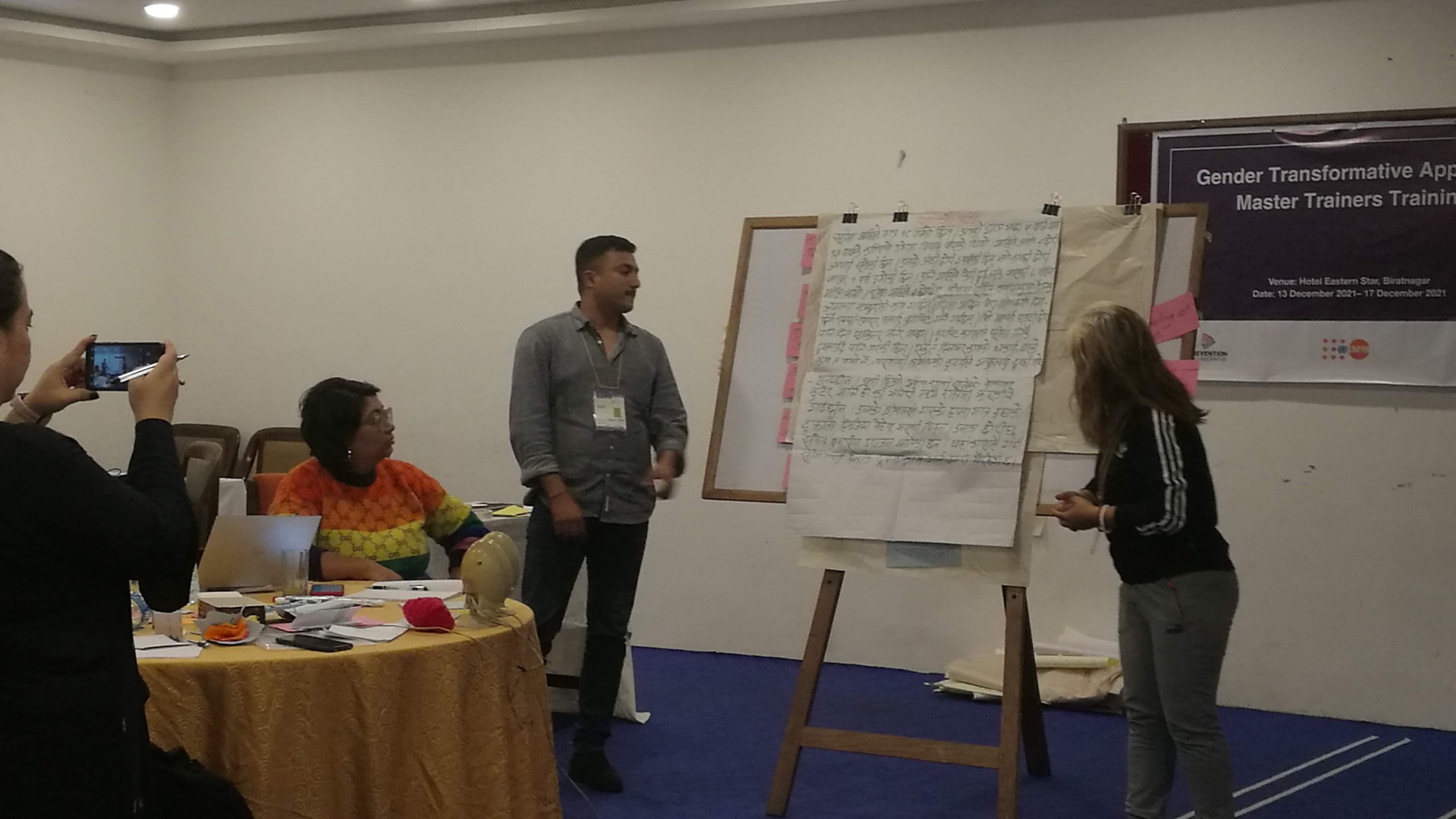
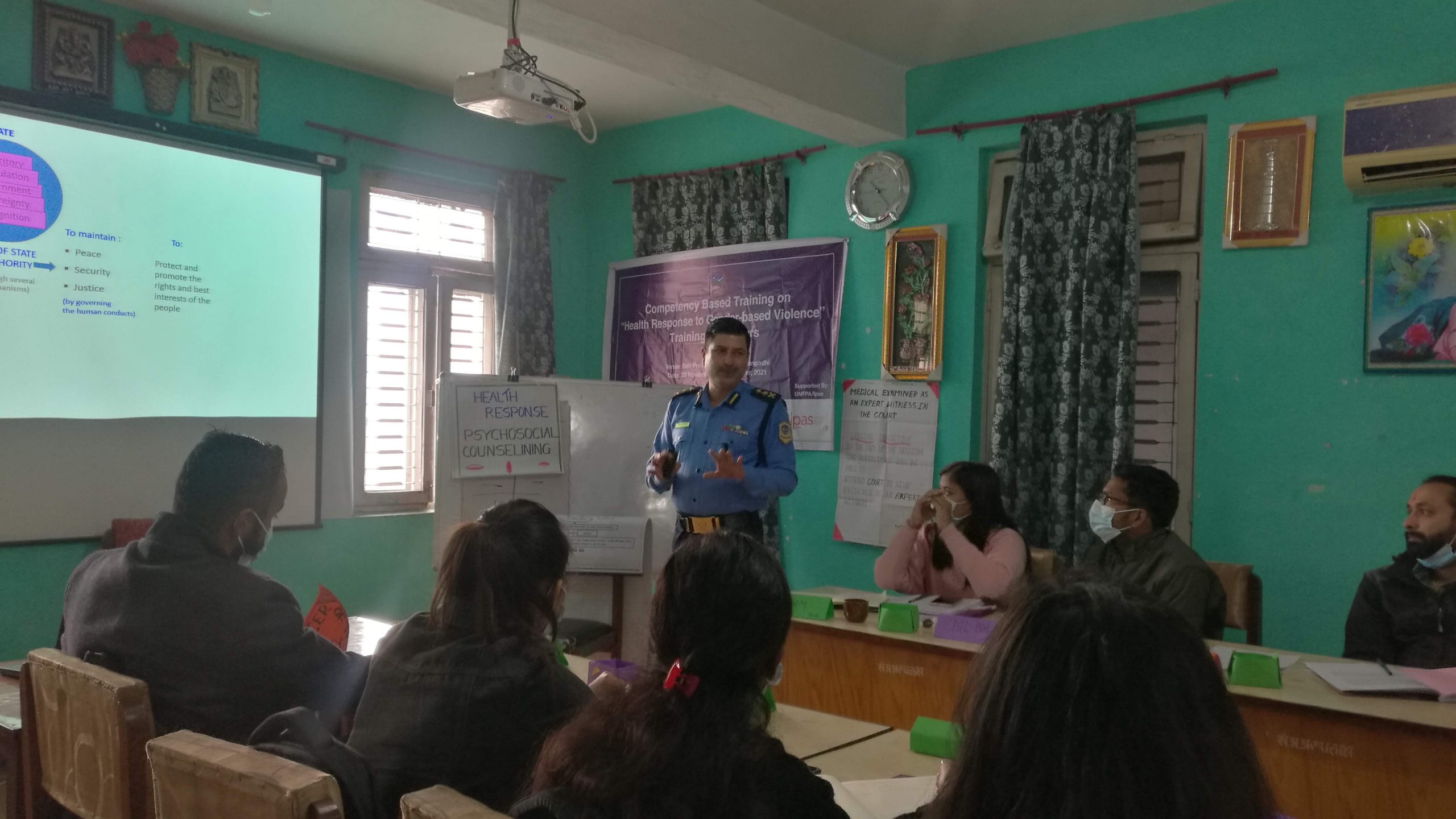
Enhance capacity of health service providers:
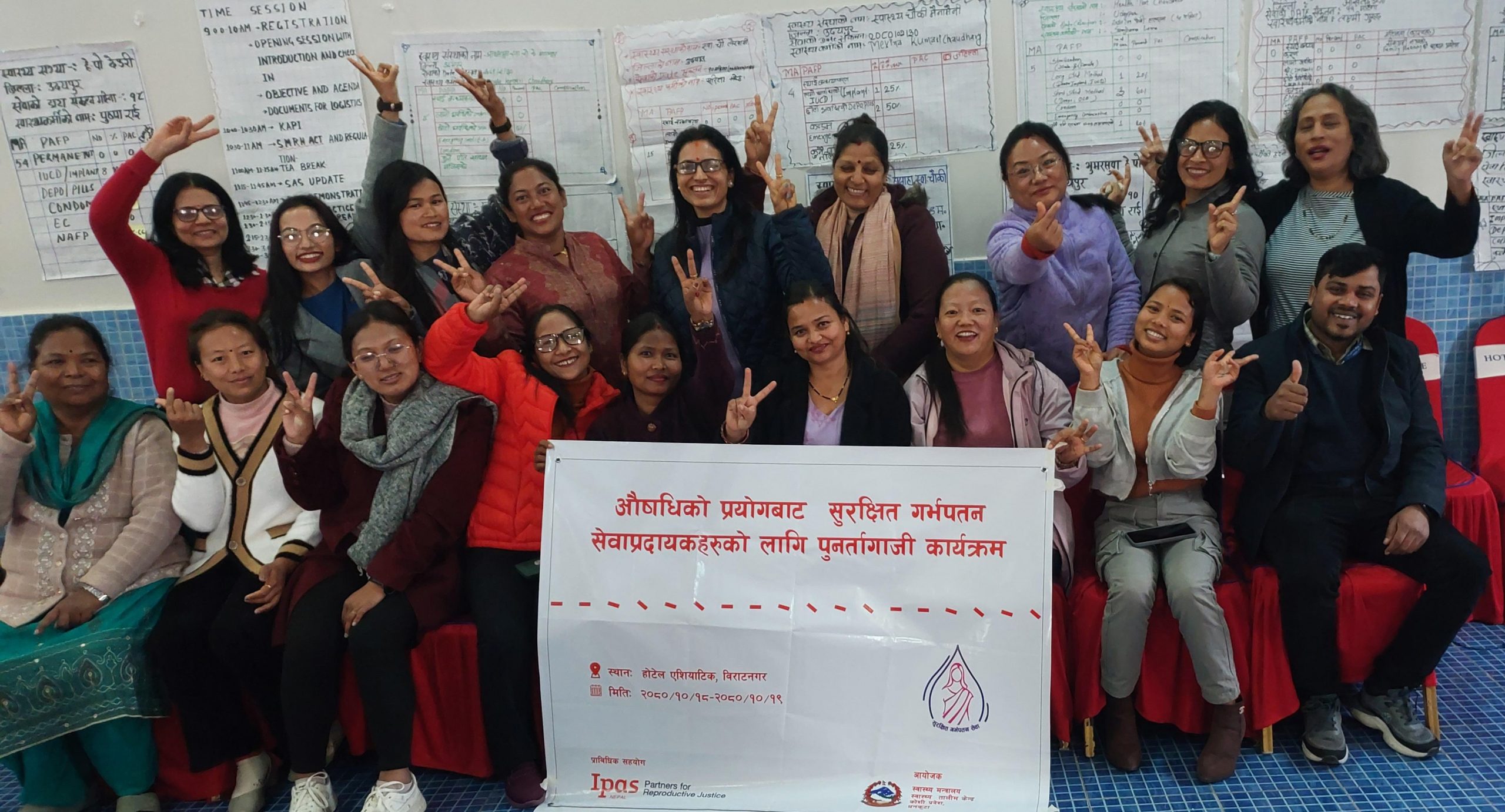
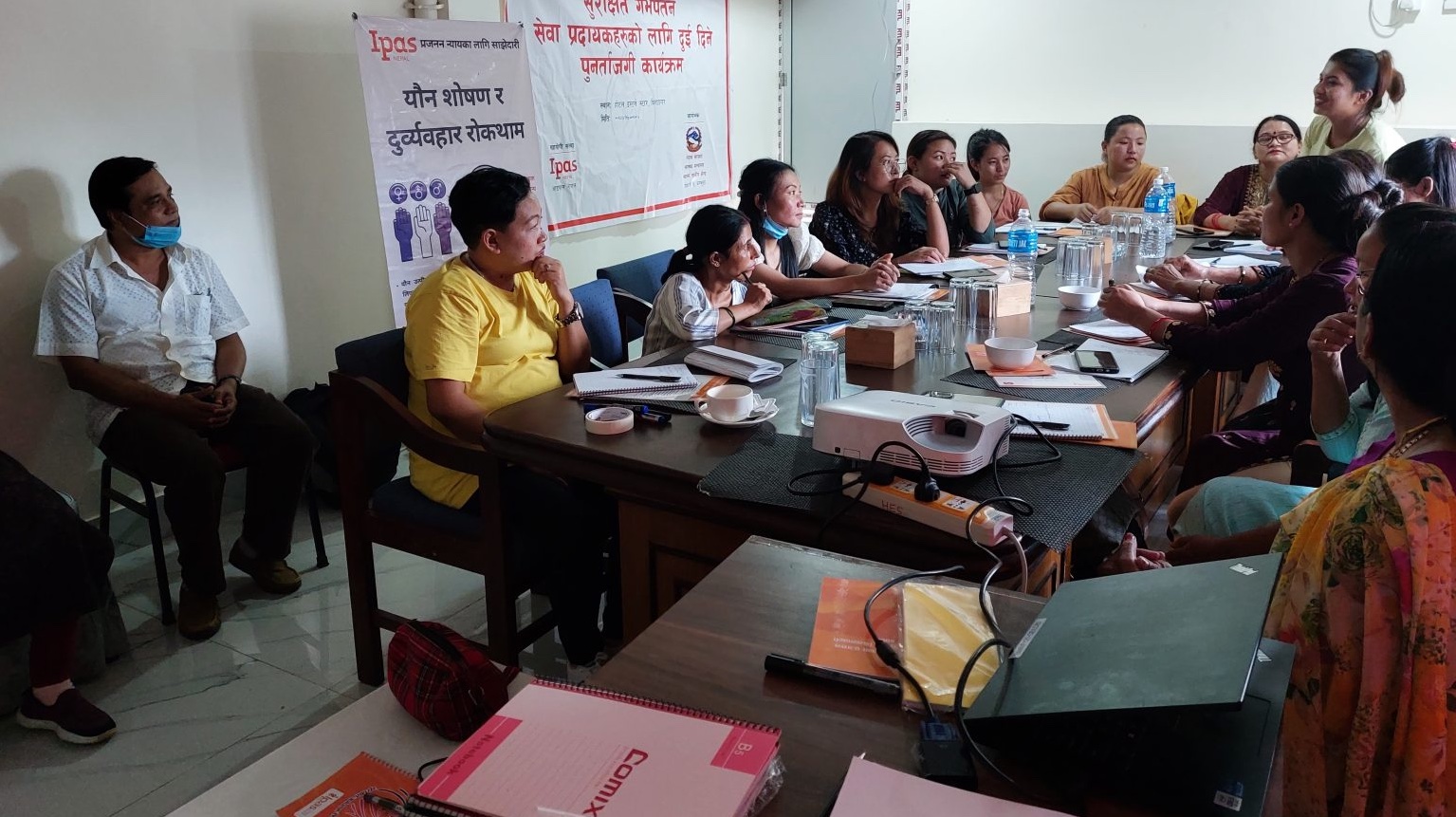
Capacity strengthening of health care providers through training such as Training of Trainers, Blended Learning Training, On-the Job training, on-site coaching and mentoring with a focus on gender transformative approaches, health response to GBV and survivor-centric approach. This includes capacity strengthening of One-stop Crisis Management Centers (OCMC), primary healthcare centers, health posts, and a network of female community health workers.
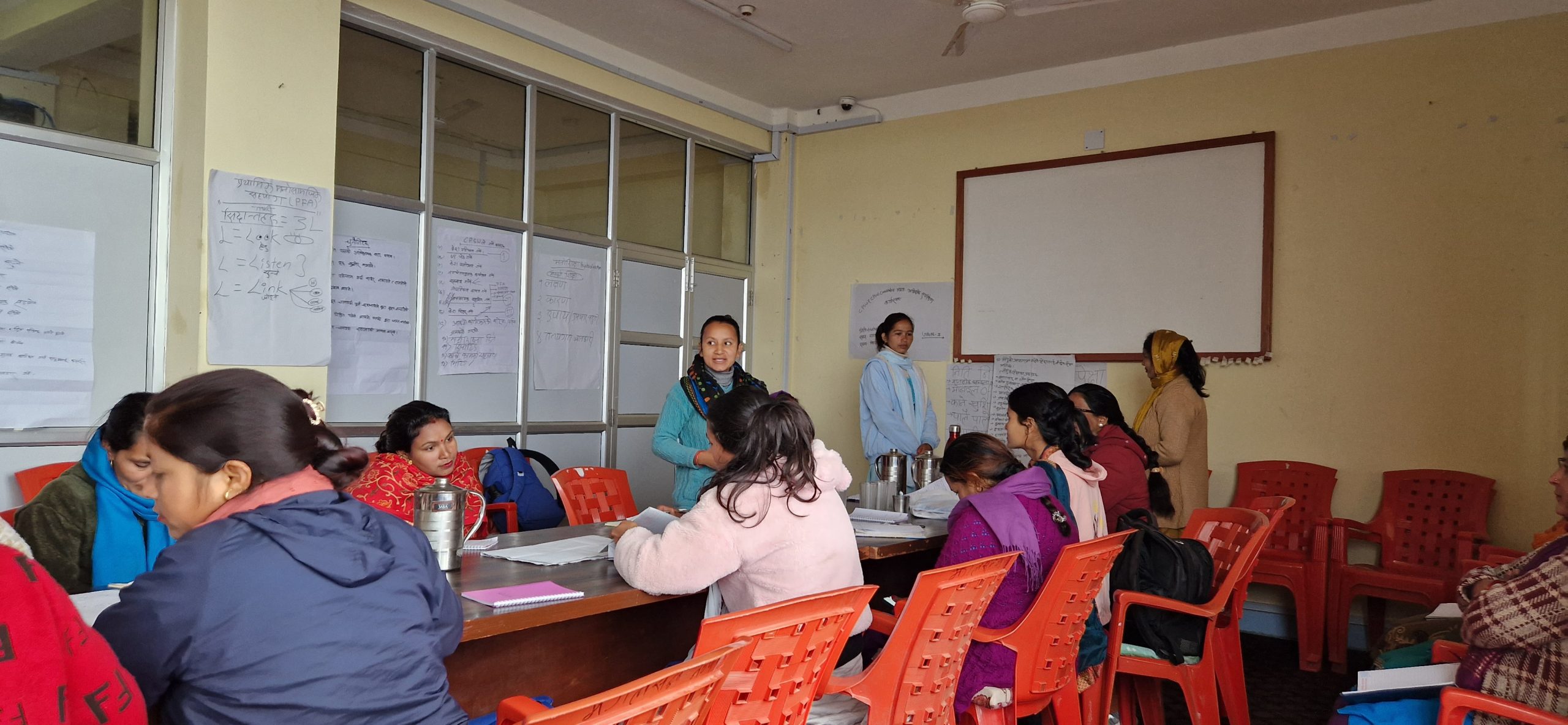
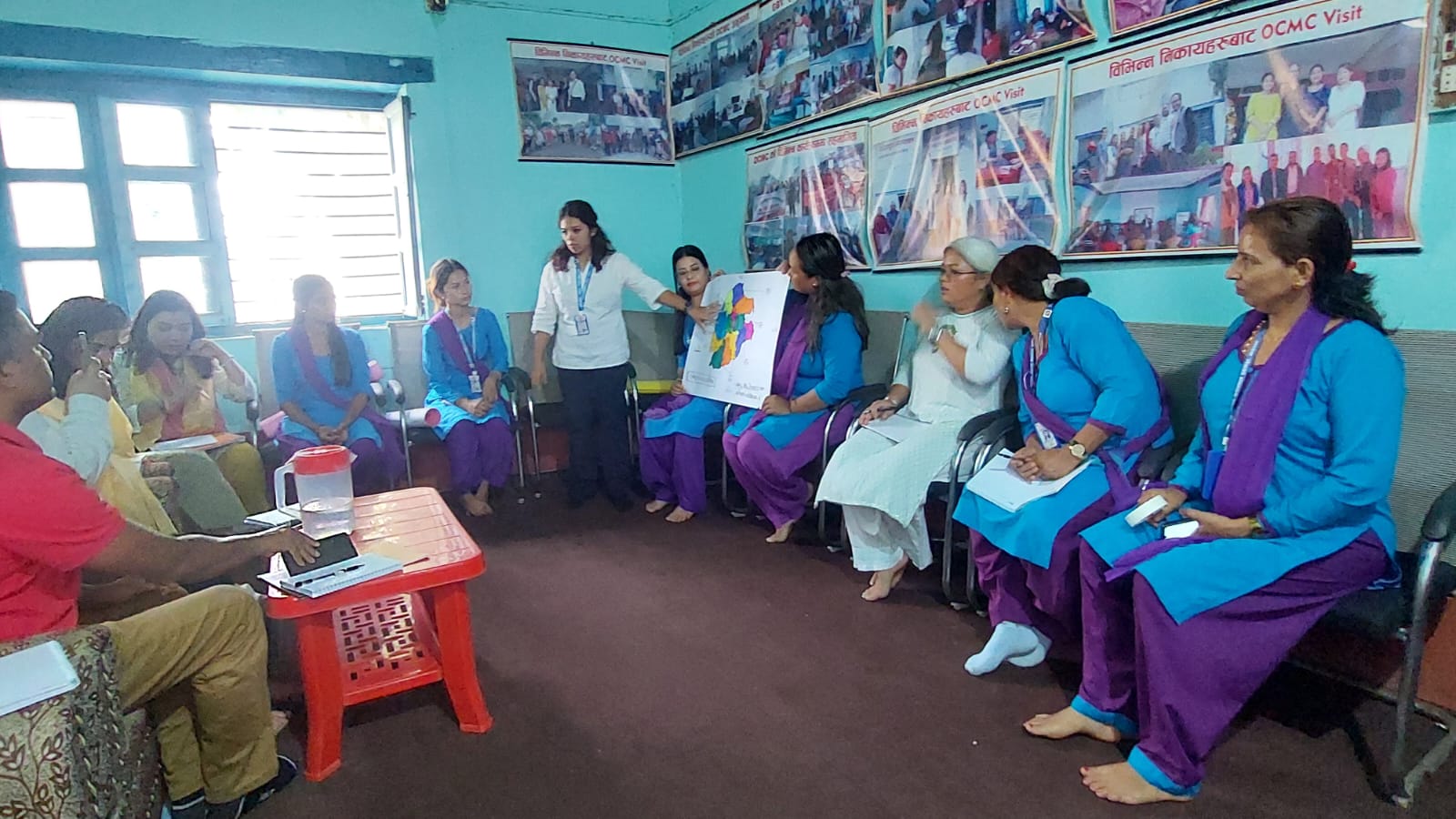
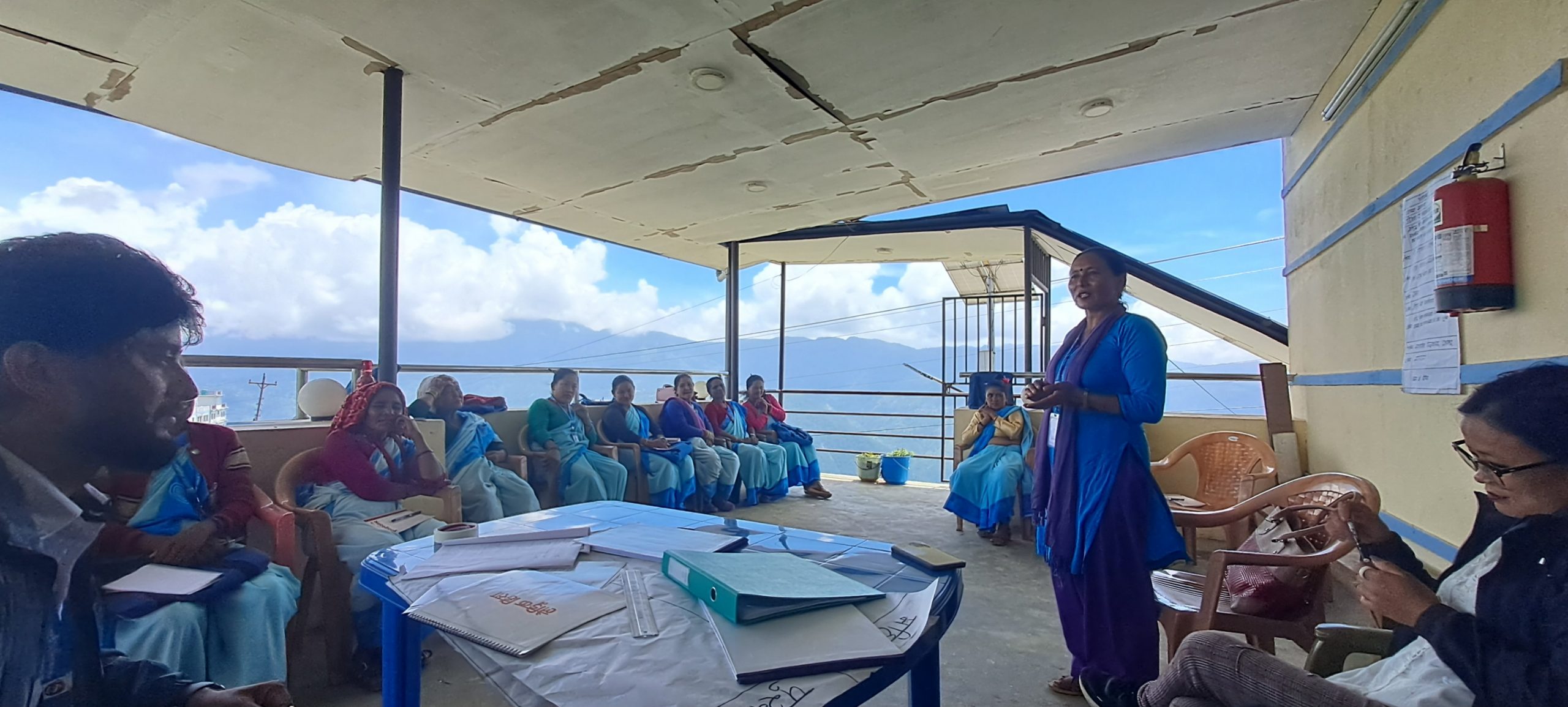
Provide community-based psychosocial services through local governments:
Provide supportive supervision and mentoring to government recruited Community Psychosocial Workers (CPSW), CPSW coordinators, case managers and psychosocial counsellors, focusing on gender transformative approaches and survivor-centric approach, survivor identify and respond to GBV through appropriate referral. For awareness raising and GBV prevention, CPSWs devise and disseminate information on GBV, referral pathways and GBV services at schools, college and workplaces.

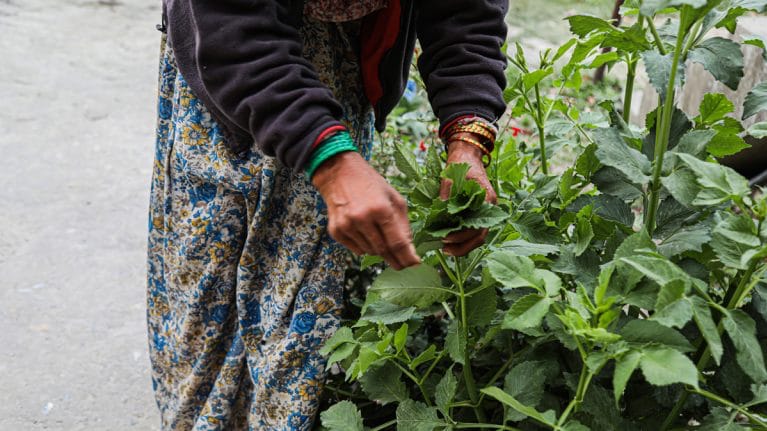
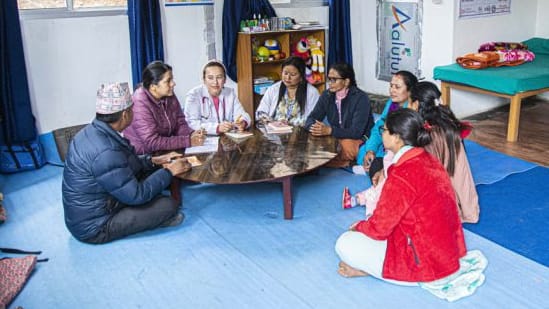
Strengthen informal and quasi-justice systems to mediate GBV cases:
Capacitate multi-sectoral service providers (police, attorneys and lawyers, shelter, judicial committees, OCMC) on essential services package, coordination protocol, referral mechanism and GBV management through a gender transformative approach. Provide technical support to partners, OCMCs, Local government, shelter home and safe house on legal and quasi-judicial areas as and when needed and facilitate on community interface and dialog with multi-sectoral service providers to ensure quality service delivery.
Approach
Survivor-centered approach:
Ipas Nepal strives to enhance access to quality GBV response services, ensuring that the needs and priorities of survivors lie at the heart of our actions. Every individual deserves a safe and supportive environment to heal and rebuild their lives. To create lasting change, we empower service providers with the skills and knowledge to offer comprehensive GBV response services and effective referrals. Ipas supports the operation of safe houses and shelter homes to provide a secure environment, offering medical and legal support to survivors. Ipas Nepal also empowers survivors with skill development training and financial assistance to promote independence. We provide guidance and mentoring to various service providers, including case managers, psychosocial counsellors, Community Psychosocial Workers, Female Community Health Volunteers , health facilities, police, etc., focusing on survivor needs. Additionally, we support the establishment of child-friendly spaces at One-stop Crisis Management Centers and safe houses for underage survivors and for the children who accompany the survivors. Moreover, Ipas Nepal offers specialized mental health services, including psychiatric care and medication, for GBV survivors facing mental health issues. Together, we are building a network of compassionate and competent caregivers.
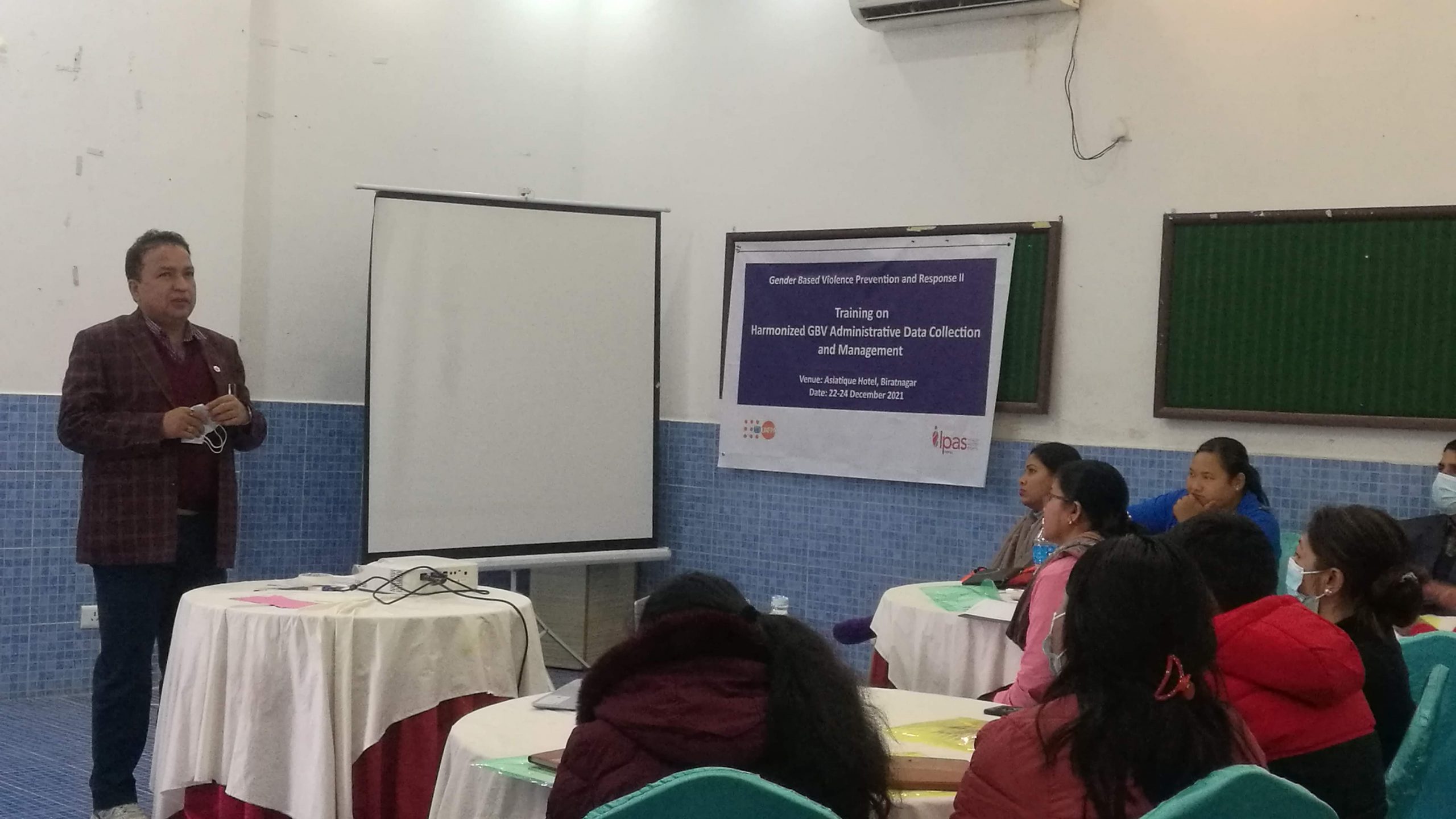
Data-driven progress:
To monitor and improve efforts against GBV, Ipas Nepal focuses on enhancing data collection, sharing, reporting and use of data by all service providers. We pay special attention to safe houses, referral shelter homes, One-Stop Crisis Management Centers (OCMCs), Community Psychosocial Workers (CPSWs), legal and justice service providers, judicial committee members, community mediators, as well as government officials at the provincial and local levels.
Gender transformative approach:
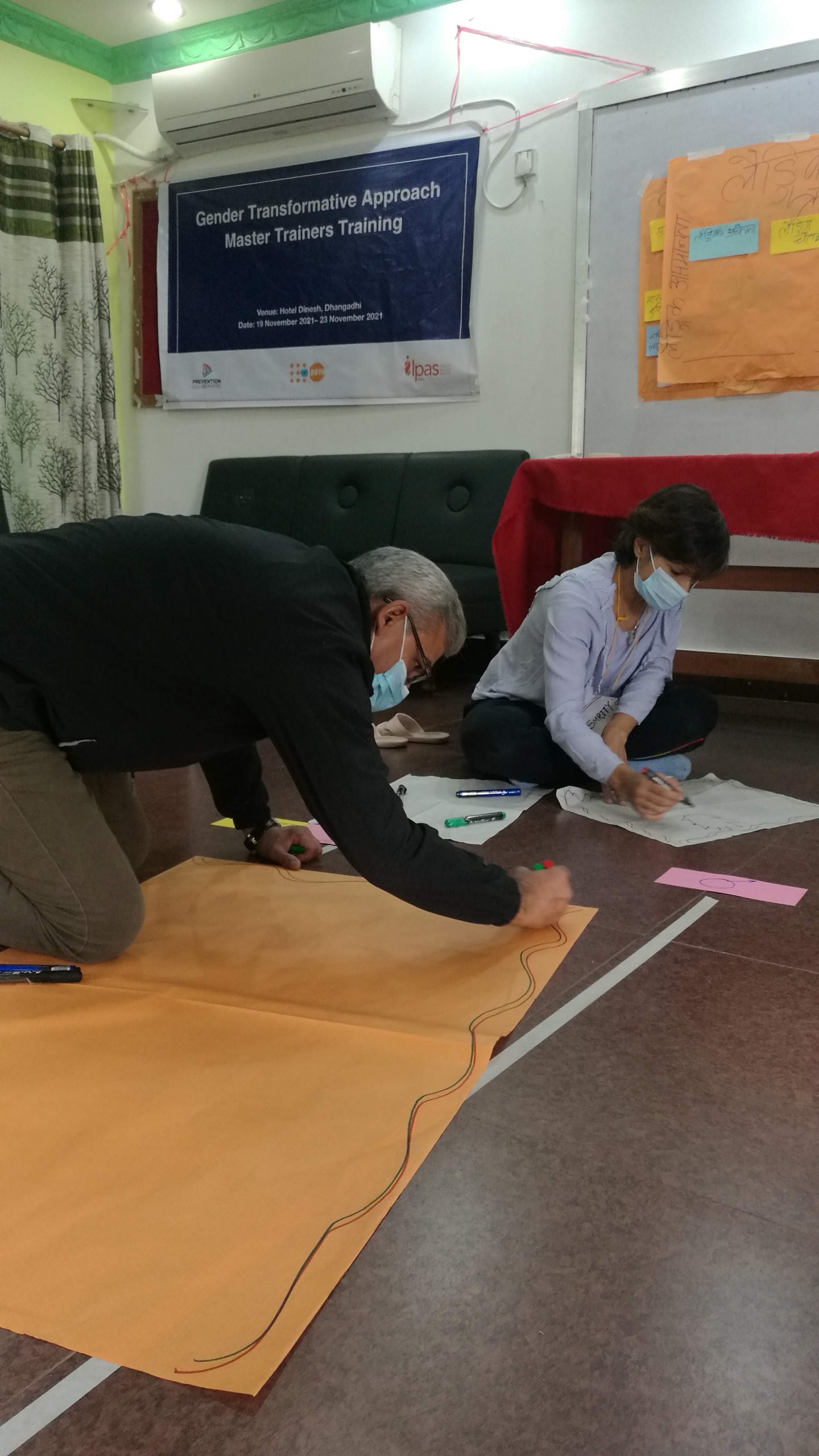
Ipas Nepal adopts a gender transformative approach to address gender-based violence (GBV), emphasizing gender rights, needs, and desires. During skills enhancements, training, refresher training as well as on-site coaching and mentoring, all the service providers are trained in a gender transformative approach. To get out of patriarchal thoughts and beliefs, gender transformative approach clarifies that gender is socially driven, hence the cause of GBV. As service providers, it is vital to overcome this belief so that we support the survivors and do not blame the victims; instead providing a supportive environment for the survivors against harmful social beliefs.
Resources
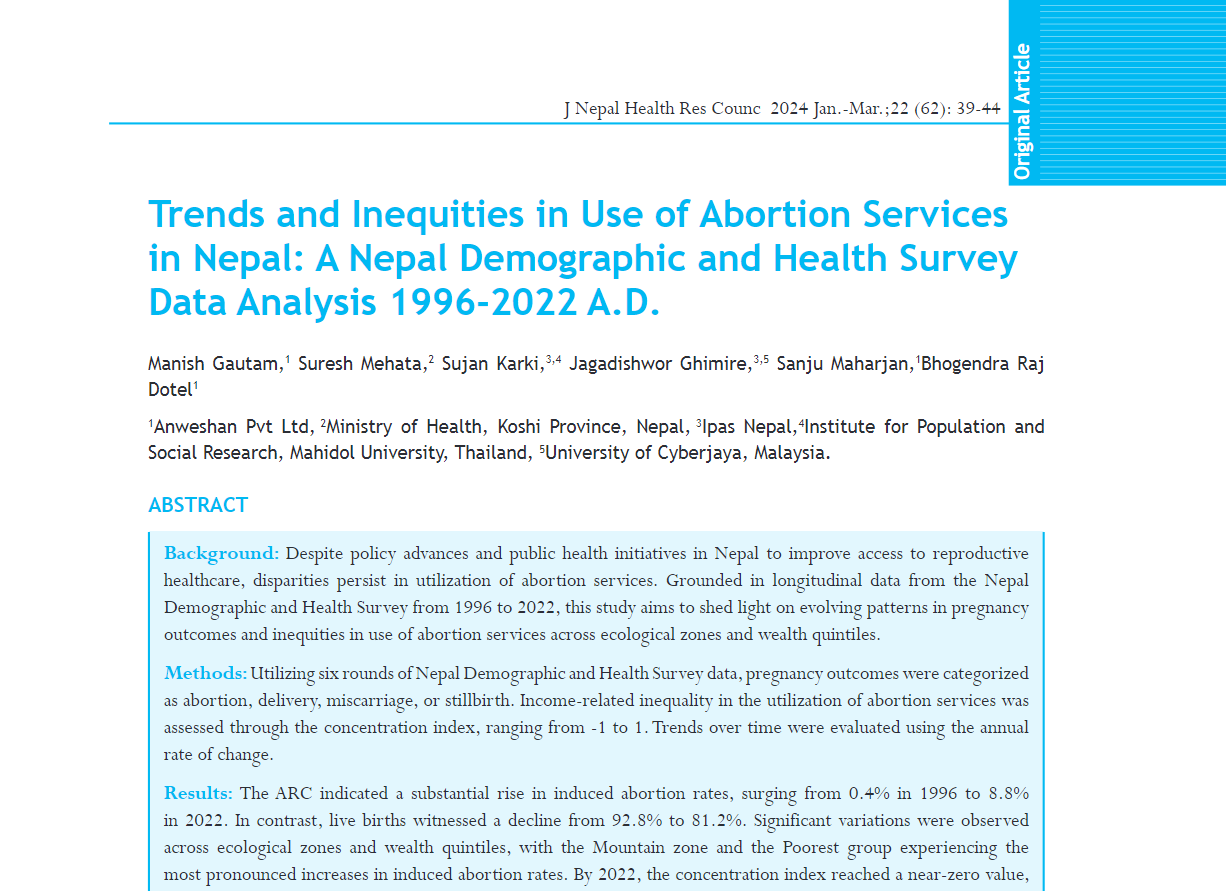
Despite policy advances and public health initiatives in Nepal to improve access to reproductive healthcare, disparities persist in utilization of abortion services.
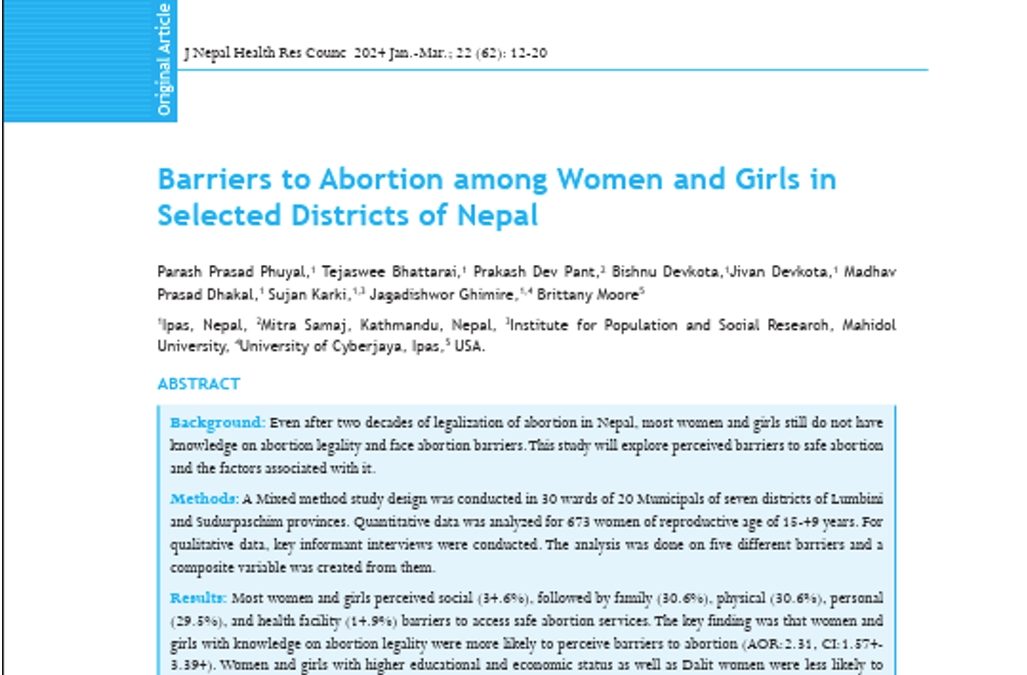
Even after two decades of legalization of abortion in Nepal, most women and girls still do not have knowledge on abortion legality and face abortion barriers. This study will explore perceived barriers to safe abortion and the factors associated with it.
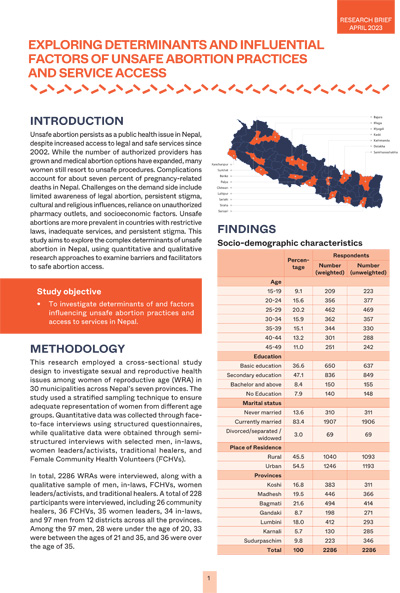
Unsafe abortion persists as a public health issue in Nepal, despite increased access to legal and safe services since 2002. While the number of authorized providers…
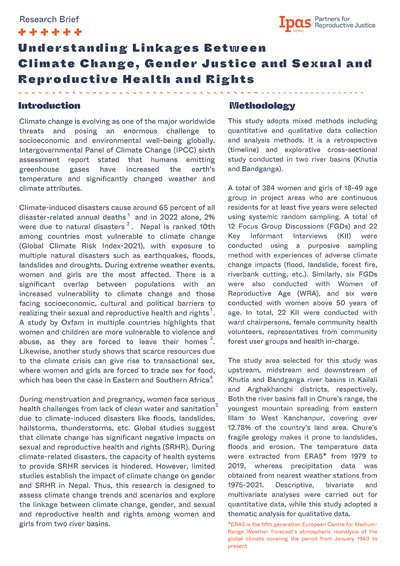
Climate change is evolving as one of the major worldwide threats and posing an enormous challenge to socioeconomic and environmental well-being globally…
Increased utilization of health services may not necessarily improve health outcomes unless the services are characterized by excellence in delivery along with other benchmarks for good quality.