

Message from the Country Director
I am honored to present Ipas Nepal’s FY 2024 Annual Progress Report. This report highlights the collective achievements of Ipas Nepal in collaboration with the Government of Nepal, our dedicated partners, civil society organizations, and, most importantly, the women and girls we serve. Together, we continue to work toward our vision of a world where every woman and girl has the right and ability to make informed decisions about her sexuality and reproductive health.
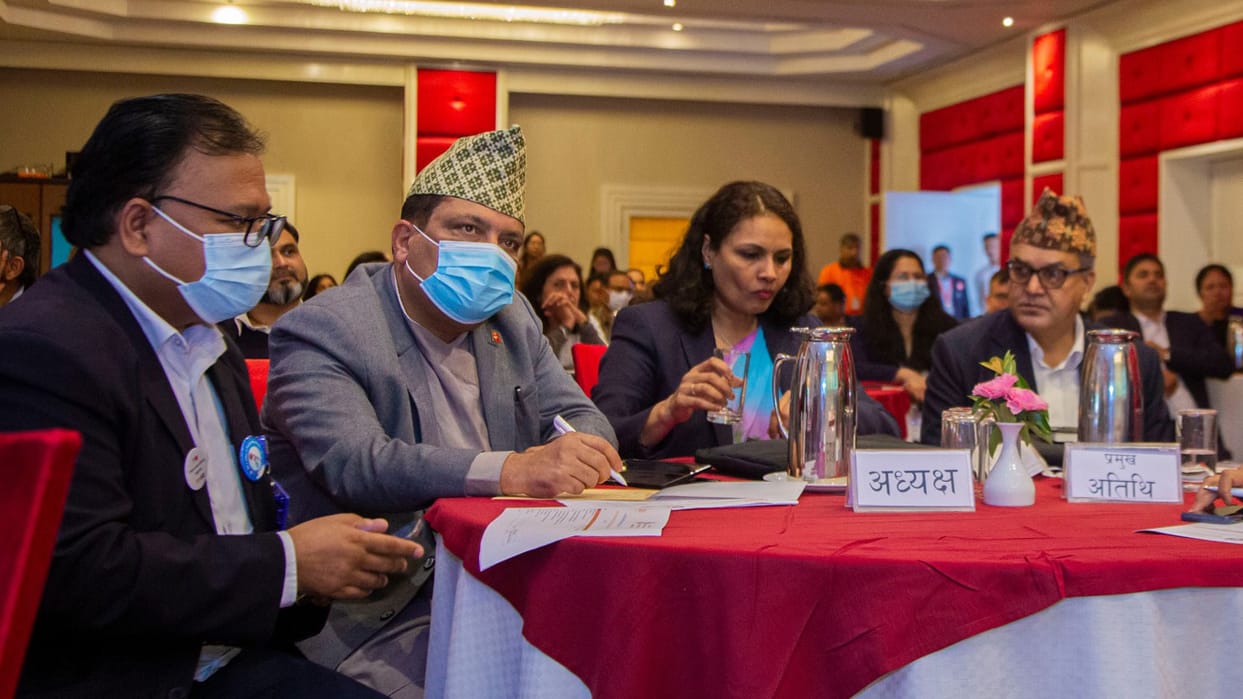
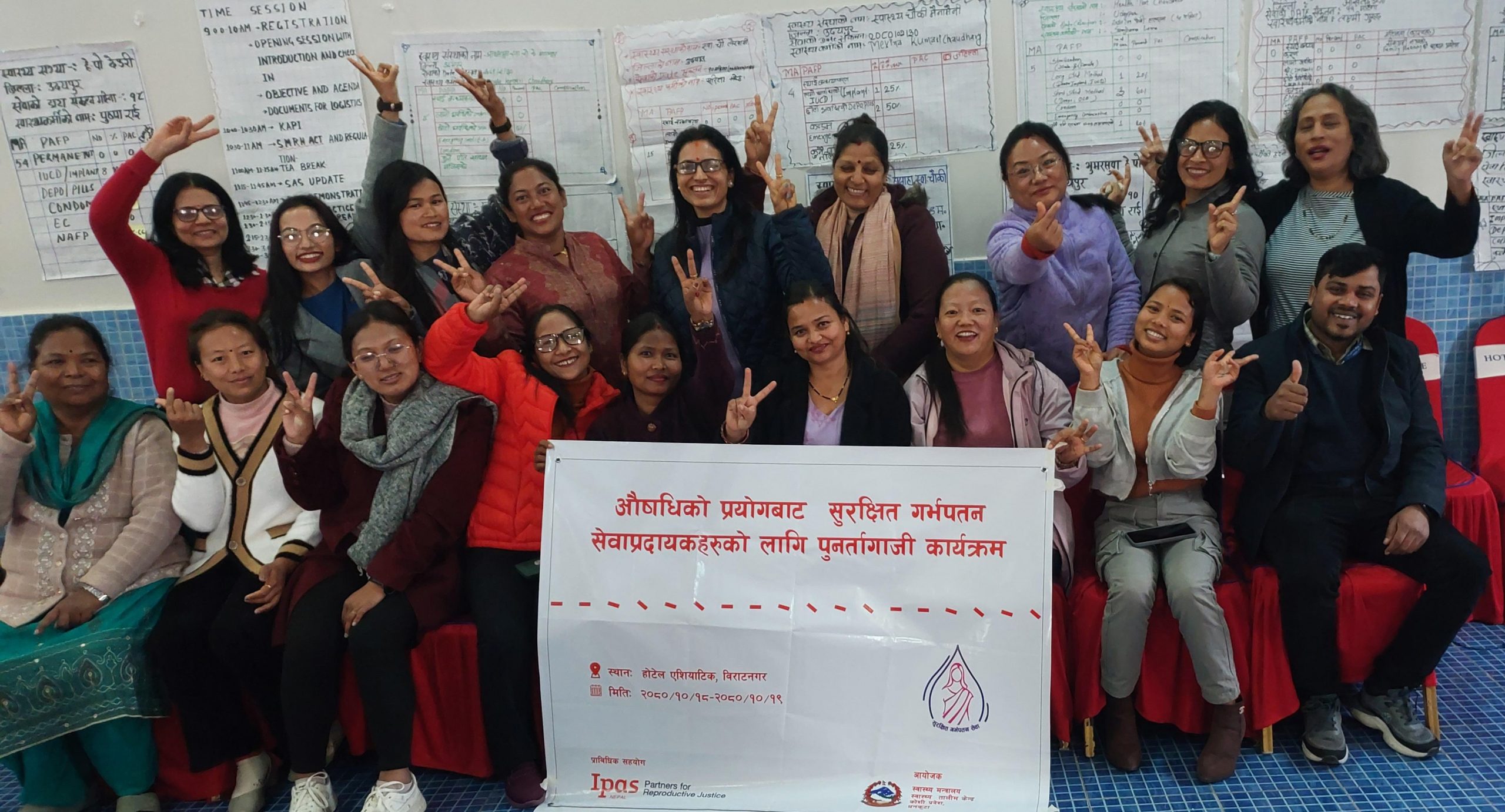
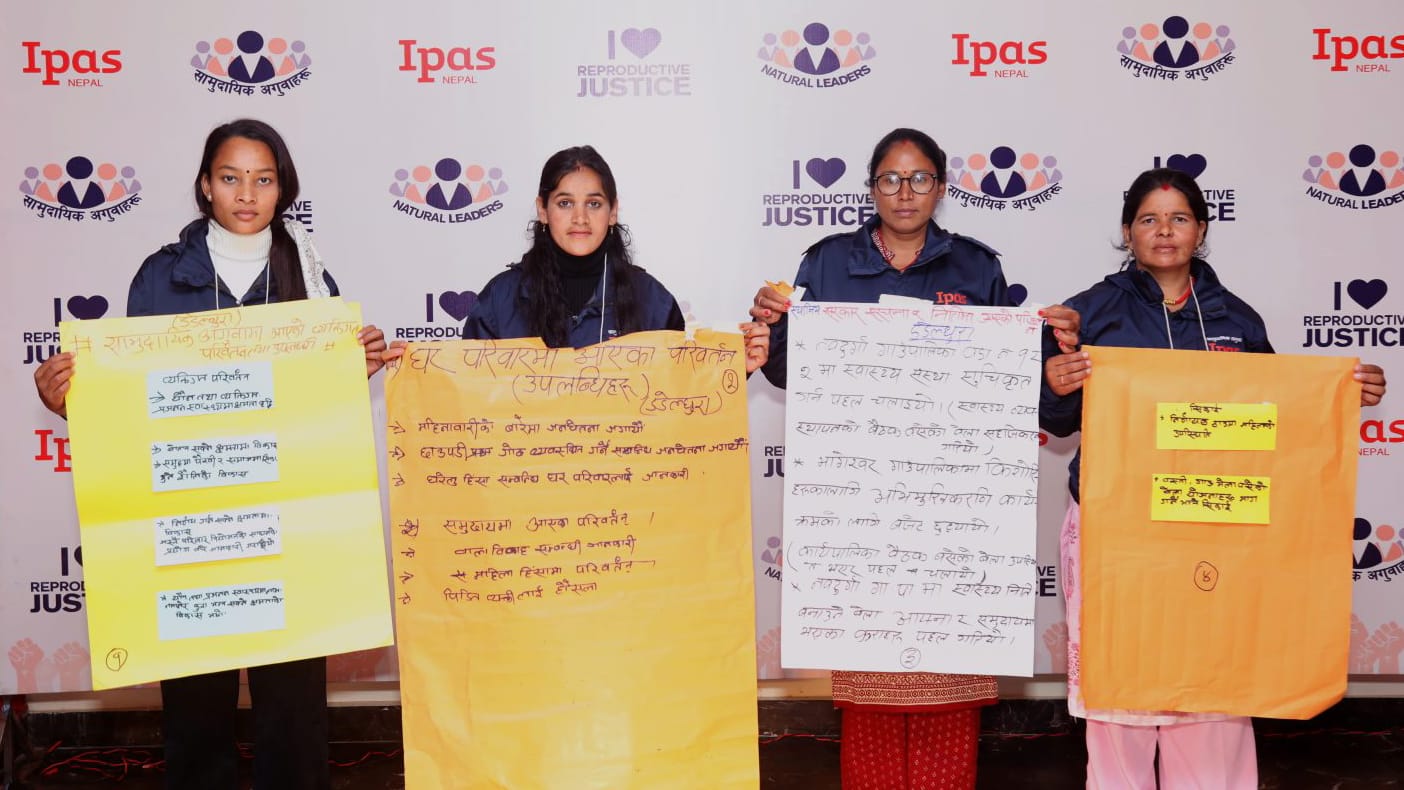
In the last 22 years of work, Ipas in Nepal has reached millions of women of reproductive age, providing them with access to quality, safe abortion and contraception information and services. Our work has expanded beyond safe abortion and contraception to encompass broader sexual and reproductive health and rights (SRHR) areas, including women-led climate justice and gender-based violence prevention and response. FY 2024 has been especially significant for Ipas Nepal. In collaboration with federal, provincial, and local governments, Ipas supported the training of over 122 providers on first and second-trimester abortion and contraception services. We continue to advocate for pre-service training on abortion and are working closely with 10 medical colleges and training centers to ensure this. In FY24, we conducted a Training of Trainers (TOT) for 13 faculty members on first-trimester abortion services. Ipas Nepal has consistently provided technical assistance to all three tiers of government in updating protocols, program guidelines, and tools. Additionally, expert consultations were held on the provisions of the Right to Safe Motherhood and Reproductive Health Act of 2018. On the demand side, Ipas Nepal and its partners implemented various interventions, reaching over 184,000 women and girls and marginalized community members. In total, 75 Natural Leaders conducted 603 Community Action, Reflection, and Transformation (CART) sessions, engaging 10,125 women and girls and other members of communities. These efforts have been instrumental in challenging harmful social norms regarding SRHR in communities. In the intersectional areas of climate justice and reproductive justice, Ipas Nepal has made significant strides. Discussions on the nexus between climate change and health have helped bring these important issues to the forefront among a wider range of stakeholders. We are proud to present our Climate Resilient Health System Framework, which focuses on SRHR within the broader context of climate resilience. I deeply appreciate the continued support from the Government of Nepal, our donors, partners, and communities. I am equally grateful to my colleagues at Ipas Nepal for their tireless dedication, which has been pivotal to strengthening the health system in Nepal. Together, we are driving progress in SRHR, climate resilience, and reproductive justice for all. In closing, as we reflect on the progress made, we recognize that there is still much to be done. Fostering the continued collaboration among stakeholders, I am confident that we will achieve greater milestones toward a climate-resilient SRHR ecosystem. Let’s continue to work hand in hand to ensure that every woman and girl in Nepal can live a life of dignity, health, and empowerment.